
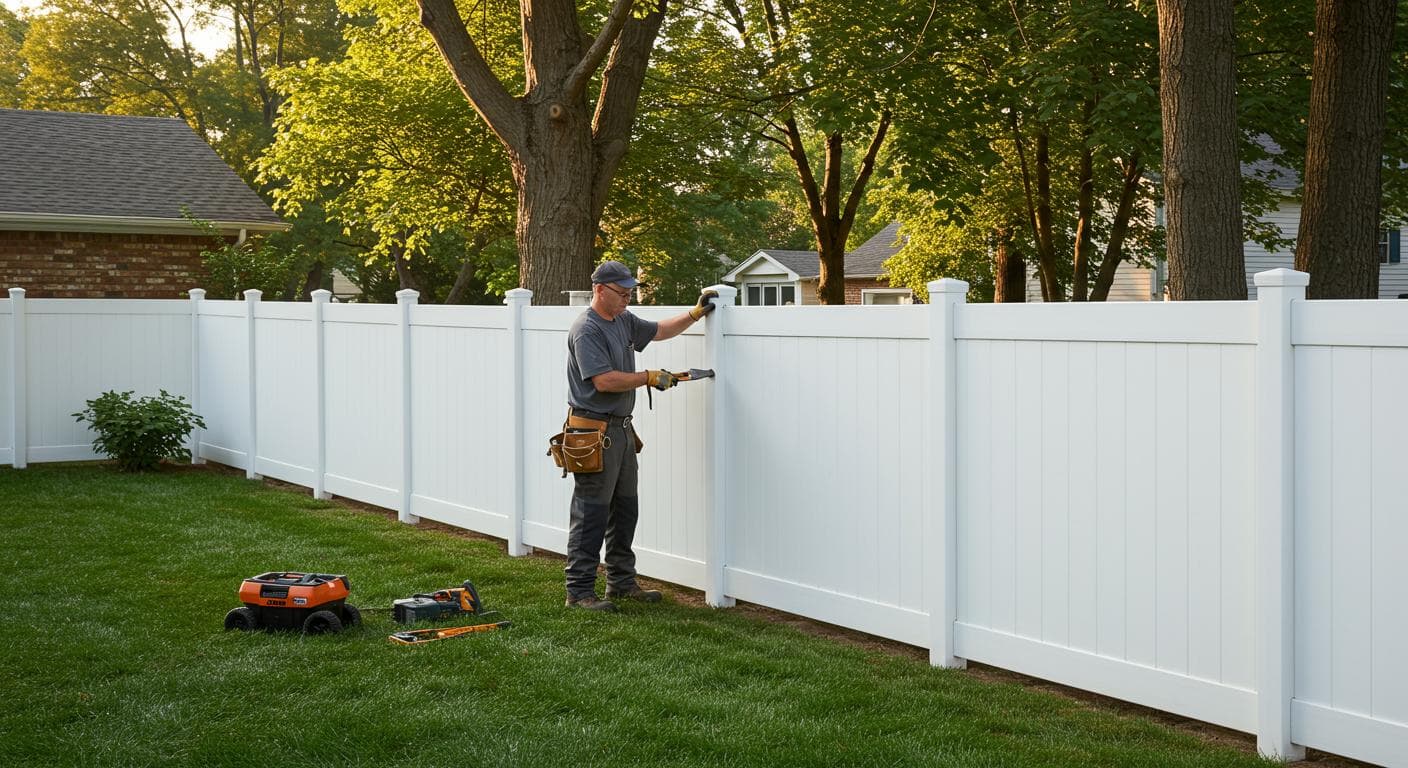
Fence Installation Denver: Built for Wind and Moving Ground
Most fence failures on the Front Range are post failures. A privacy fence is a solid wall of sail area, the wind coming down off the foothills is genuinely strong, and the clay underneath swells and shrinks through the year. Get the posts right and the fence lasts. Get them wrong and it leans within a couple of seasons regardless of how good the pickets look. Contractor Palace matches you with one independent local fence contractor in the Denver metro.
What a Fence Costs and Involves in Denver
A new fence in Denver commonly runs from around thirty dollars a linear foot for basic cedar privacy fencing to sixty or more for vinyl and ornamental metal, so a typical residential yard lands somewhere in the four to twelve thousand dollar range. What separates a Denver install from a generic one is below the ground. Posts need to reach below the local frost line, which in the Denver area is commonly taken as about three feet, and the expansive clay across much of the metro will lift anything set shallower. Wind matters too: Front Range downslope winds regularly hit speeds that push over a solid privacy fence with undersized posts or too much spacing. Denver also limits fence height, typically lower at the front of a property than the back, and many metro neighborhoods add HOA rules on top. Most residential fences install in two to four days.
Fence Materials That Work in the Denver Metro
Cedar is the default here and looks right on most Denver homes, though at altitude it greys faster and wants a stain cycle to stay warm colored. Vinyl costs more up front, never needs finishing and holds color, but a cheap vinyl panel can turn brittle in a hard cold snap so grade matters more here than in a mild climate. Ornamental steel and aluminum give you wind pass through, which is genuinely useful on an exposed lot, and they suit front yards where height is limited anyway. Chain link remains the cheapest way to enclose a large area.
Fence work often shows up alongside other yard projects. If the fence is going in as part of a wider yard plan, our Denver landscaping contractors handle the planting and grading side, and retaining walls fall under hardscaping.
Planning ranges for the Denver metro, not a quote. Slope, gate count, rock in the ground and removal of an old fence all move the number.
Three Things That Make a Denver Fence Different
Post depth is the whole job
A fence post that stops above the frost line gets lifted every winter, and the expansive clay across much of the metro adds its own movement on top. Below frost depth in the Denver area generally means about three feet, set in concrete, with the hole belled or the concrete crowned so water sheds away from the post rather than pooling at it. This is the part you cannot inspect after the fact, which is exactly why it is the part that gets skimped. Ask how deep the posts go and what goes in the hole before you sign anything.
Wind here is a design load, not weather
Downslope winds off the foothills regularly hit speeds that flatten fences built to a catalog spec. A solid six foot privacy fence is a sail. On exposed lots that means closer post spacing, heavier posts, or a design that lets air through such as a shadowbox or spaced picket pattern. A contractor who builds on the Front Range will raise this before you do.
Height and placement are regulated, and the HOA is a second layer
Denver limits fence height and typically allows less at the front of a property than in the back yard, with corner lots carrying sight line rules on top. Many metro neighborhoods then add HOA restrictions on material, color and style. Both get checked before digging, along with a utility locate, which is free and legally required before anyone puts a post hole in the ground.
The concrete stops inside the layer that freezes. Every freeze expands that soil and lifts the post with it. It survives the first winter, which is exactly why this corner gets cut, and shows up two or three seasons later as a fence that leans no matter how good the pickets are.
The post reaches past the depth that freezes, so seasonal freezing has nothing to push against. In the Denver area that generally means digging around three feet, and expansive clay can push a project deeper still.
Why Use Contractor Palace for Fencing in Denver
One matched contractor
Describe the yard once. We match a single fence contractor whose service area and availability fit, instead of selling your number to five companies.
Independent local pros
Every pro we match is an independent local business. Ask to see their license and insurance before work starts, and get the scope and price in writing.
Rules checked before digging
Height limits, setbacks, HOA restrictions and the utility locate all happen before the first hole, not after a neighbor complains.
Ask about the warranty
Ask the pro what warranty comes with the work and get it in writing before work starts.
Fencing is one of thirty trades we cover here. See the rest on our Denver contractors hub, or read the national fence installation service page.
Common Questions About Fences in Denver
Do I need a permit to build a fence in Denver?
Denver regulates fence height and placement, and whether a permit is required depends on height, location on the lot and the zone district. Front yard fences are generally held to a lower height than back yard fences, and corner lots carry sight line rules. Surrounding cities set their own limits, so the answer follows the address. Your matched contractor confirms before digging.
How deep should fence posts go in Colorado?
Below the frost line, which in the Denver area is commonly treated as about three feet. Shallower than that and freeze heave plus expansive clay will lift the post over a few seasons. Depth, hole diameter and how the concrete is finished at the top all matter, because water sitting at the base is what rots a wood post from the ground up.
What is the best fence for Denver wind?
Anything that lets air through does better than a solid panel on an exposed lot. Shadowbox and spaced picket designs cut the sail effect while still giving privacy at normal viewing angles, and ornamental metal barely catches wind at all. If you want solid privacy panels, the answer is heavier posts and closer spacing rather than hoping.
How long does a cedar fence last in Denver?
Fifteen to twenty years is realistic for a well built cedar fence here, and posts usually fail before pickets do. Altitude UV greys the wood quickly, so staining every few years is about appearance and surface protection rather than structure. The lifespan is set on install day by how the posts were set.
Ready for a new fence in Denver? Let’s get you matched.
Post the project free. Get matched with one independent Denver fence contractor who sets posts below frost depth and checks the rules first.
Get my free Denver fence quotearrow_forward