
Electrician near me. Electrical, local.
Panel upgrades, outlet installs, rewiring and more. All electrical work done by licensed Ohio electricians, code-compliant and inspected, and we're building the same licensed network across Colorado's Front Range.
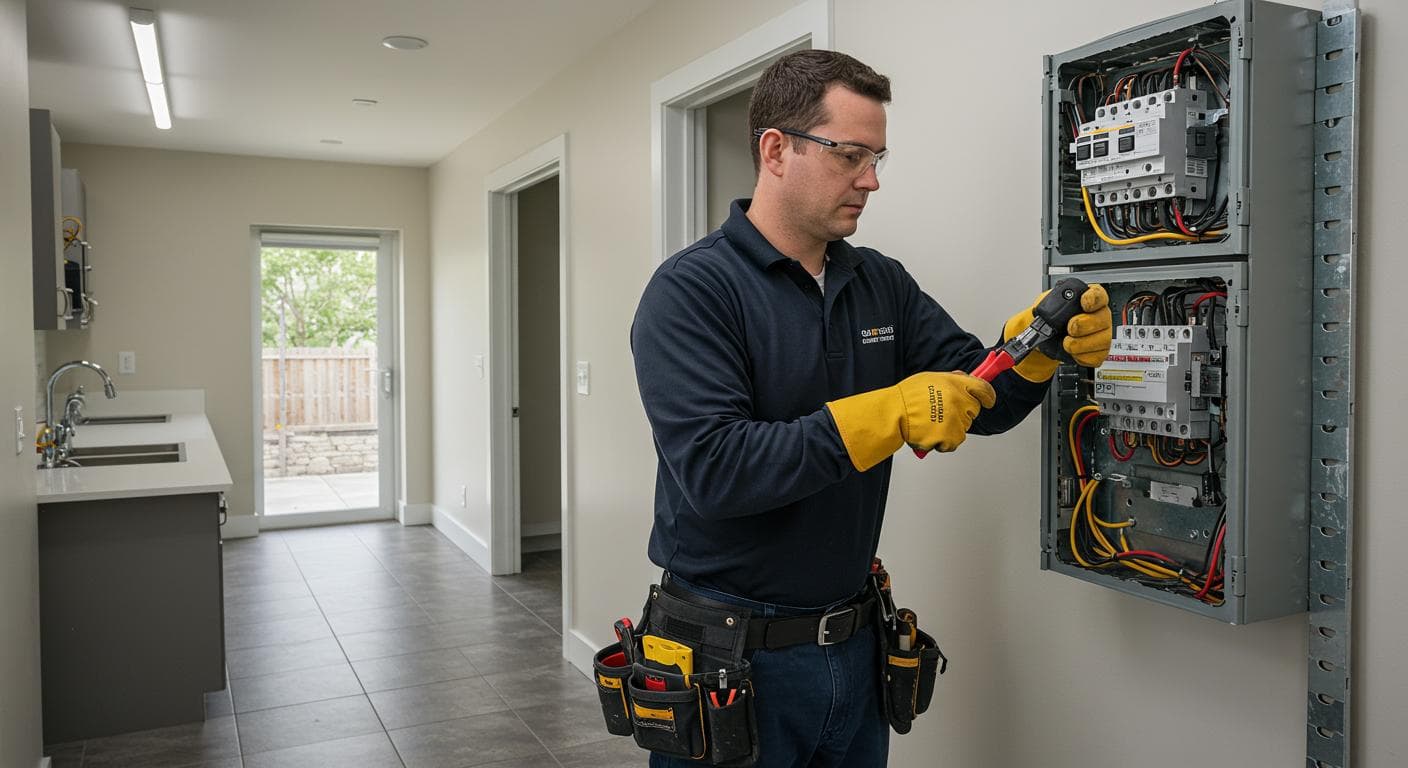
What is electrical?
Electrical work in Ohio covers everything from replacing a faulty outlet to overhauling your home's entire electrical system. Whether you need a residential electrician for a straightforward outlet swap or a commercial electrician for a full commercial electrical services buildout, every job must be performed by a licensed electrician, the Ohio Board of Building Standards requires inspection on all work beyond basic fixture replacement to protect against fire risk and keep your homeowner's insurance valid.
Common electrical services include panel upgrades, outlet and switch installation, ceiling fan installation and lighting fixtures, whole-home rewiring, circuit breaker replacement, GFCI and AFCI protection, EV charger installation and generator hookups. Residential electrical work and commercial electrical services each have their own code requirements and our electricians are trained for both.
Ohio's older housing stock, especially in Cleveland, Columbus and Dayton, presents real challenges for any homeowner: outdated 100-amp panels, aluminum wiring (installed 1965 to 1973) or knob-and-tube wiring in pre-1940 homes all create electrical issues that a professional electrician needs to address safely. Upgrading your home's electrical capacity is one of the most common jobs our residential electricians handle across the state.
Contractor Palace connects you with a reliable electrician who holds a valid electrician's license, carries full insurance, pulls permits, schedules inspections and delivers code-compliant electrical work, all tracked through our platform. Whether it's a single ceiling fan installation or a full commercial electrical services project, we match you with electricians in your area who are highly trained and available fast.
What homeowners should know.
Residential Electricians in Ohio
Residential electricians handle the full spectrum of home electrical work, from adding a single outlet to upgrading an aging 100-amp panel to 200A capacity. Every homeowner deserves a licensed pro who shows up on time, explains the scope clearly and backs the work with a satisfaction guarantee. Contractor Palace matches you with screened local electricians typically within a few hours of your request.
Electrical Repair for Homeowners
Electrical repair covers everything a homeowner encounters: tripping breakers, faulty GFCI outlets, flickering lights, damaged wiring and failing systems in older Ohio homes. A licensed pro identifies the root cause before touching anything, because sloppy electrical work is a fire hazard. Our network handles repairs across Columbus, Cleveland, Cincinnati and every major Ohio market.
Common Installation Work: Outlets, Panels and More
The most common category we dispatch is installation: new outlets, dedicated circuits for appliances, EV charger hookups, generator connections, ceiling fan installs and panel upgrades. Every job requires permits and a final inspection, so your work is fully code-compliant and documented for your homeowner's insurance.
How to Find a Good Electrical Contractor
Start by verifying the contractor holds a current state license on the Ohio eLicense portal. The right electrician will provide a written quote, explain permit requirements upfront and carry general liability coverage. Contractor Palace verifies every company on our platform against Ohio licensing records before they accept jobs.
Residential vs. Commercial Electrical Work
Residential electrical work covers single-family homes, multi-family buildings and light commercial properties. Outlets, panels, lighting fixtures and standard 120/240V circuits fall in this category. Commercial projects layer on three-phase power, lighting control systems and code-compliant panel rooms. Ohio licensing requirements differ between the two and a legitimate contractor will tell you that upfront.
Emergency Electrical Service in Ohio
A true emergency is a burning smell from a panel, sparking outlets, a partial power outage or exposed wiring after storm damage. Our dispatch covers every major Ohio city with on-site arrival typically within 2-4 hours. Keep the breaker for the affected circuit off until a qualified electrician inspects it.
Non-emergencies that people incorrectly treat as emergencies: a single GFCI outlet that tripped (push the reset button first), a breaker that flipped once (reset and monitor) or flickering lights from a loose bulb. Knowing the difference saves you an emergency dispatch fee.
The Permit-to-Inspection Process
For a panel upgrade or new circuit, the sequence is: pull permit, schedule utility disconnect if needed (AEP, FirstEnergy or Duke Energy), do the rough-in work, call for inspection and button up walls after passing. Skipping inspection means the work is not legally compliant, which surfaces during a home sale.
For smaller jobs like adding a circuit for a home office, the same permit-then-inspect process applies but the timeline compresses. A single circuit addition in Columbus can go from permit application to final inspection in under a week with a well-connected contractor.
Ohio Electrical Cost Ranges
Panel upgrade from 100 to 200 amps: $1,500 to $3,500 installed including permit. New circuit addition: $250 to $600 per circuit. EV charger installation (Level 2, 240V): $400 to $900. Whole-home rewiring on a 1,500 sq ft house: $8,000 to $18,000 depending on how much existing wiring can stay. Generator transfer switch: $500 to $1,500 depending on type.
Labor rates for licensed electricians in Columbus and Cleveland metro areas typically run $85 to $130 per hour. Rural Ohio runs $65 to $95 per hour. Always get a fixed-price quote for defined scope work.
Signs Your Ohio Home Needs an Electrician
Aluminum wiring throughout the house (common in Ohio homes built 1965 to 1973) is a fire hazard requiring specific remediation. Knob-and-tube wiring in pre-1950 homes across Cleveland and Cincinnati is ungrounded and often uninsurable without an update. A breaker that trips repeatedly on the same circuit is telling you the circuit is overloaded or has a fault. Flickering lights throughout the house suggest a loose service connection and warrant an immediate call.
How to Hire a Licensed Electrician in Ohio
Ohio requires electricians to be licensed by the Ohio Construction Industry Licensing Board. Ask for their license number and verify it on the OCILB website before work starts. Confirm they carry general liability insurance and workers' compensation coverage. Get at least two quotes for anything over $500, itemized separately for materials and labor. A contractor who only quotes a total without a breakdown is harder to compare and harder to hold accountable if scope changes.
### Ohio-Specific Electrical Hazards Older Homes Face
Ohio's housing stock skews old. Cleveland, Cincinnati and Dayton have some of the highest concentrations of pre-1960 housing in the Midwest. That history creates specific electrical conditions that a licensed Ohio electrician encounters regularly and that homeowners deserve to understand before they buy or remodel.
Knob-and-tube wiring (pre-1940): this open-air wiring system uses ceramic knobs to anchor wires and ceramic tubes to run them through framing. It has no ground wire. It cannot support modern circuit loads. Most Ohio homeowners' insurance carriers either refuse to insure homes with active knob-and-tube or charge a substantial premium. The presence of knob-and-tube is not automatically a crisis, an intact, unmodified system in a low-load application is lower risk than a system that's been extended with modern wire. The danger is modification. Anyone who added circuits to a knob-and-tube system without proper splicing or who added insulation over the wires (which traps heat) created a fire hazard. An Ohio licensed electrician should inspect and document the condition before any sale or renovation decision.
Aluminum wiring (1965 to 1973): during a copper shortage, homes across Ohio were wired with aluminum branch circuit wiring. Aluminum expands and contracts more than copper with temperature changes, causing connections at outlets, switches and fixtures to loosen over time. Loose connections arc. Arc faults cause fires. The fix is either complete rewire with copper or, as an interim measure, installation of CO/ALR-rated outlets and switches at every connection point plus antioxidant compound at the panel. Full rewire is the more thorough solution but CO/ALR remediation has a strong track record when done correctly. Estimate 1,500 to 4,000 dollars for a whole-home CO/ALR remediation on an average Ohio home.
Undersized service (60-amp or 100-amp panels): homes built before 1970 were often served with 60-amp or 100-amp electrical services. A modern Ohio household with central AC, electric range, EV charger, multiple computers and entertainment systems routinely needs 200 amps. A 60-amp service is not just inconvenient, it creates a chronic overloading condition where homeowners work around tripping breakers by using extension cords and power strips in ways that create real fire risk. A service upgrade from 60 or 100 amps to 200 amps runs 1,500 to 3,500 dollars in Ohio depending on utility coordination and whether the meter base needs replacement.
Federal Pacific Stab-Lok panels: these panels were installed extensively in Ohio homes from the 1950s through the 1980s. Studies and decades of field experience have documented that Stab-Lok breakers fail to trip under overload conditions at a rate far higher than modern breakers. The problem is that a breaker that doesn't trip during an overload means the circuit keeps energizing, which means wires overheat and fires start. Ohio electricians routinely recommend replacement. A new 200-amp panel with modern breakers costs 1,800 to 3,500 dollars in Ohio.
Zinsco and GTE-Sylvania panels: similar documented failure rates to Federal Pacific. Same recommendation: replace. Same general cost range.
### Panel Upgrade vs Service Upgrade: Understanding the Difference
These terms are often confused and interchangeable in casual conversation but describe different scopes of work.
A panel upgrade (also called a load center replacement) replaces the breaker box inside the home while keeping the existing service entrance conductors and meter base. This is appropriate when the existing service ampacity is adequate (200A) but the panel itself is a problem brand, has no room for additional breakers or has physical damage. Cost: 1,200 to 2,500 dollars.
A service upgrade replaces the conductors from the utility connection at the weatherhead or meter base down through the service entrance cable to the panel. It also typically involves replacing the meter base and coordinating with the utility company (AEP, FirstEnergy, Duke Energy or Dayton Power and Light) to disconnect and reconnect service. A service upgrade is required when increasing from 100A to 200A because the existing wires aren't large enough to carry the new load. Cost: 1,500 to 3,500 dollars and includes utility coordination.
A complete service and panel upgrade does both. This is the right scope when a 100-amp or 60-amp home is being brought to 200-amp capacity. Cost: 2,500 to 5,000 dollars in Ohio metro areas.
### Generator Options for Ohio Homeowners
Power outages in Ohio are not rare. Lake-effect storms across Cleveland and Akron, ice storms in Columbus and thunderstorms throughout the state routinely knock out power for hours or days. Generator options range from portable to whole-home standby.
Portable gasoline generators cost 500 to 2,000 dollars and provide 4,000 to 12,000 watts of output. They require manual setup, extension cords or a manual transfer switch and refueling every 8 to 12 hours. They cannot power a whole home or a central AC system. Carbon monoxide risk is significant if run indoors or in attached garages. A manual transfer switch, hardwired by a licensed electrician to specific circuits, costs 500 to 1,000 dollars and eliminates the extension cord problem and the backfeed risk to utility workers.
Portable propane or natural gas inverter generators offer cleaner power output (important for computers and sensitive electronics), lower noise and fuel availability through existing utility connections. Cost range similar to gasoline portables.
Whole-home standby generators (Generac, Kohler, Briggs and Stratton) start automatically when utility power fails, run on natural gas or propane and can power an entire home including central AC, well pump and electric range. They require a licensed electrician to install an automatic transfer switch, a licensed plumber or gas fitter to extend the gas line and a concrete pad. Total installed cost for a 14kW unit: 6,000 to 12,000 dollars. For a 22kW or larger unit covering full home loads: 10,000 to 18,000 dollars. Ohio requires permits for standby generator installation.
### EV Charger Installation in Ohio
Ohio's EV adoption rate is growing. A Level 1 charger (standard 120V outlet) delivers 3 to 5 miles of range per hour of charging, which is inadequate for daily driver EVs. Level 2 charging (240V, 30 to 50 amps) delivers 20 to 30 miles per hour and can fully charge most EVs overnight.
Level 2 charger installation requires a dedicated 240V circuit from the panel to the garage or outdoor location. If the panel has capacity, cost runs 400 to 900 dollars including the NEMA 14-50 outlet or hardwired EVSE. If the panel needs a service upgrade to accommodate the additional load, add 1,500 to 3,000 dollars.
AEP Ohio and FirstEnergy both offer bill credits and rebate programs for EV charger installation as of 2024 to 2025. Check current program availability with your utility before committing to a specific installation approach.
Ohio requires a permit for EV charger installation in most jurisdictions. The permit ensures proper circuit sizing, GFCI protection where required and inspection before energizing.
### Understanding Ohio Electrical Permits and Inspections
Ohio's electrical code is based on the National Electrical Code (NEC) with state amendments. The Ohio Board of Building Standards adopts new NEC editions on a schedule that may lag the national cycle by 2 to 4 years. Your Ohio electrician should know which code edition is in effect in your jurisdiction.
Permit required versus not required varies by municipality. Columbus, Cleveland and Cincinnati all require permits for panel work, new circuits, HVAC disconnects, service upgrades and generator connections. Some smaller Ohio municipalities have different thresholds. A licensed contractor knows what their local jurisdiction requires.
The inspection sequence for major electrical work: rough-in inspection (wires run, boxes installed, before drywall), then final inspection (devices installed, panel labeled, cover on). A panel upgrade or service change has a different inspection sequence involving utility disconnect coordination and a final utility reconnect after the inspector approves.
Homeowner permits: Ohio allows homeowners to pull permits for work on their own primary residence in most jurisdictions. However, the work must still meet code, be inspected and most inspectors expect the work to be done to the same standard as licensed contractor work. For anything involving the panel, service entrance or safety-critical circuits, hiring a licensed Ohio electrician protects the investment and the insurance policy.
### Frequently Asked Questions
What is the difference between a circuit breaker and a fuse? Both protect circuits from overload by interrupting the circuit. Fuses are one-time-use devices common in older Ohio panels; they blow and must be replaced. Breakers are resettable switches. Modern panels use breakers. AFCI (arc fault circuit interrupter) and GFCI (ground fault circuit interrupter) breakers add additional protection beyond standard overcurrent protection. Ohio's NEC adoption requires AFCI protection on most bedroom and living area circuits and GFCI protection in wet locations.
How do I know if my Ohio home has aluminum wiring? Check the panel: look for 'AL' marking on the service entrance wires (normal and safe). Then look at branch circuit wires: if they are marked 'AL' or have a dull silver color rather than copper's orange-red color, those are aluminum branch circuits. An electrician can confirm within minutes.
How long does a full panel replacement take in an Ohio home? A straightforward panel replacement in a house with accessible wiring takes 4 to 8 hours. The power is off during the entire job. A service upgrade that involves utility coordination adds a utility disconnect window to the schedule, typically arranged 1 to 3 weeks in advance with AEP, FirstEnergy, Duke or Dayton Power and Light depending on your location.
Colorado Electrical: Altitude and the Front Range
Colorado's Front Range runs on a different electric utility than Ohio. Xcel Energy (Public Service Company of Colorado) serves most of the Denver metro and surrounding suburbs, rather than the AEP Ohio, FirstEnergy or Duke Energy territories that show up elsewhere on this page. A Colorado electrician coordinates service upgrades and disconnects with Xcel rather than an Ohio utility.
Altitude changes standby and portable generator sizing the same way it changes furnace sizing. Gas and diesel engines produce less rated output as elevation increases, and Denver sits around 5,280 feet. A whole-home standby generator or a portable unit sized correctly for an Ohio home is not automatically sized correctly on the Front Range, the manufacturer's altitude de-rating table needs to be checked before a unit is specified, something an Ohio electrician rarely has to think about.
Colorado's dry climate is a modest advantage for electrical work, less ambient humidity means less corrosion at outdoor panels, meter bases and exterior outlet covers over time than in Ohio's more humid climate. The Front Range's high number of sunny days at altitude also means solar additions and EV charger requests come up more often in Front Range electrical work, both draw on panel capacity that an electrician needs to plan for during a service upgrade.
Contractor Palace is building its licensed electrician network in Colorado now. We book electrical jobs across Colorado and Ohio today.
Electrical documented.
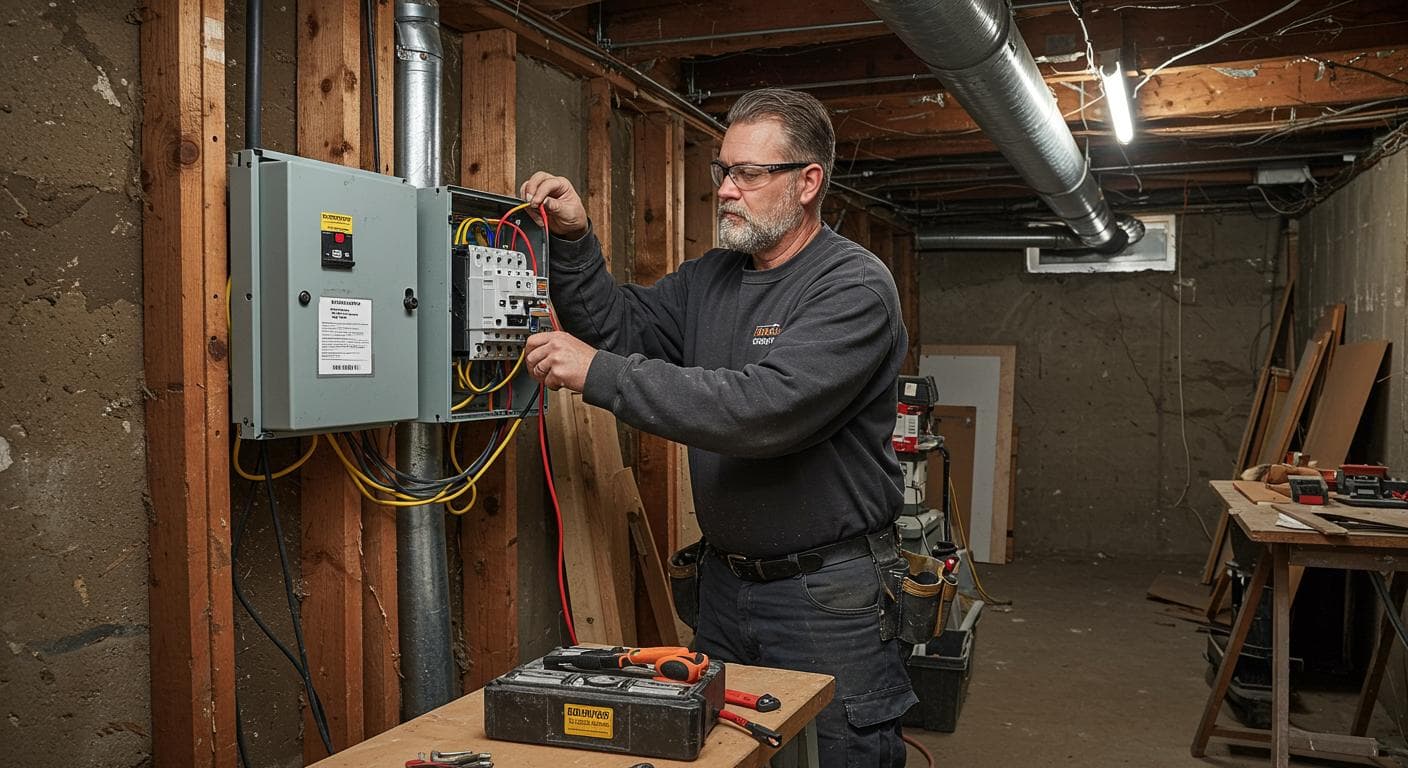
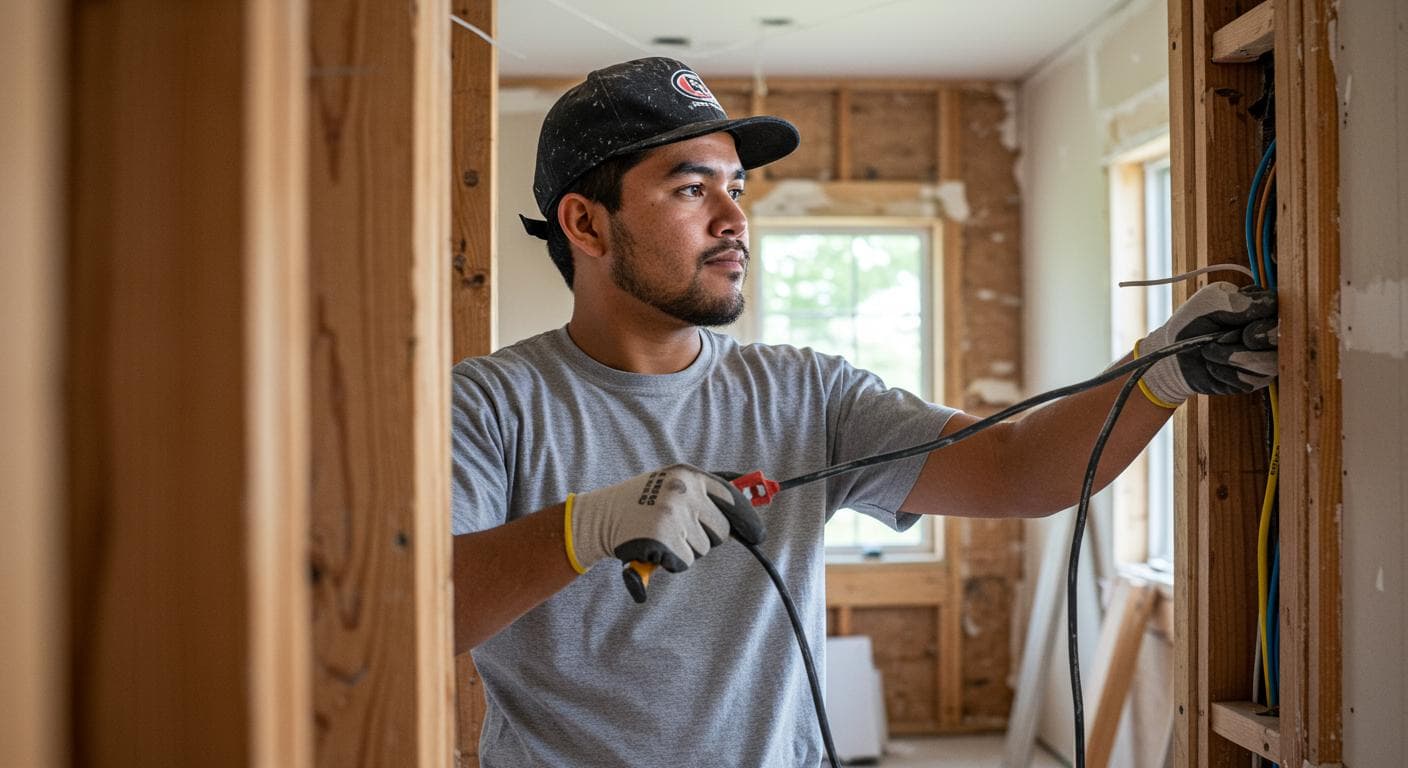
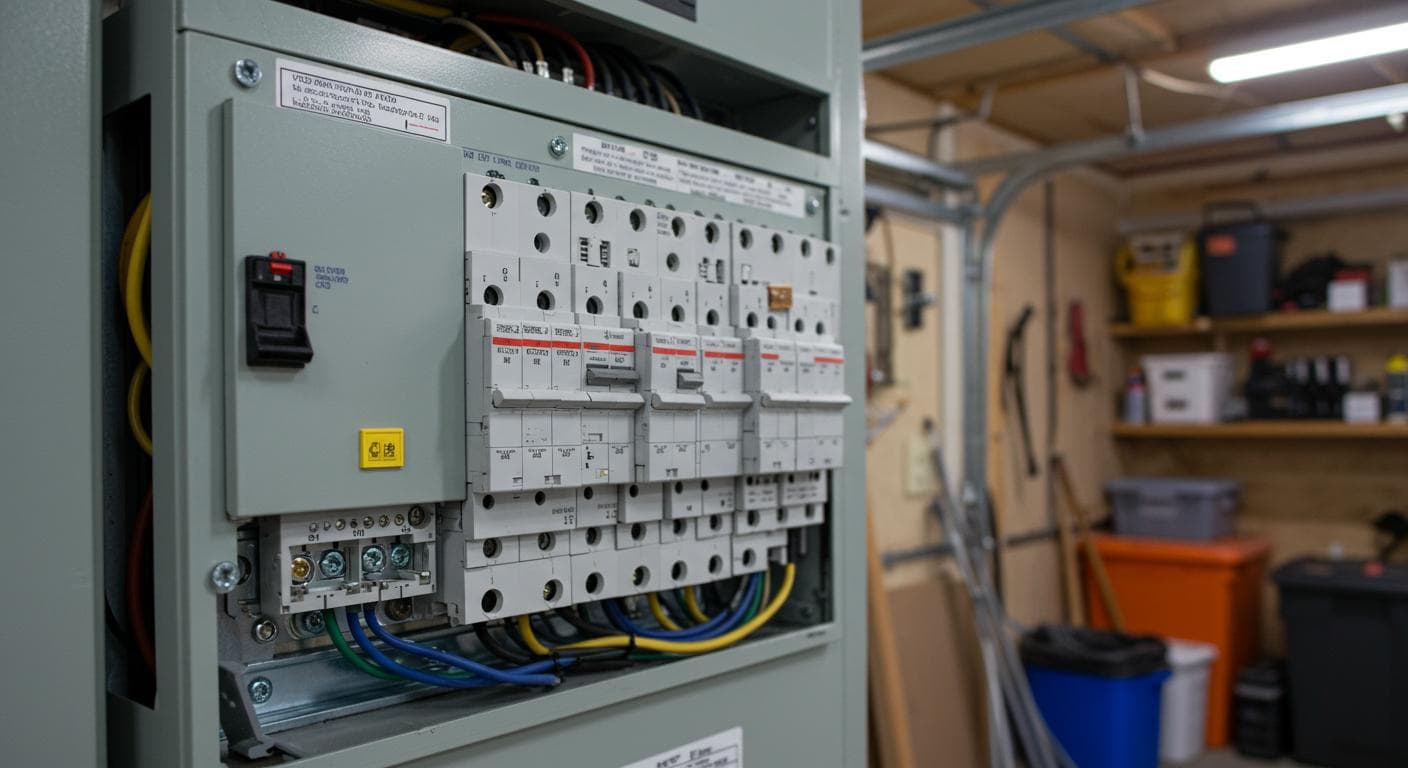
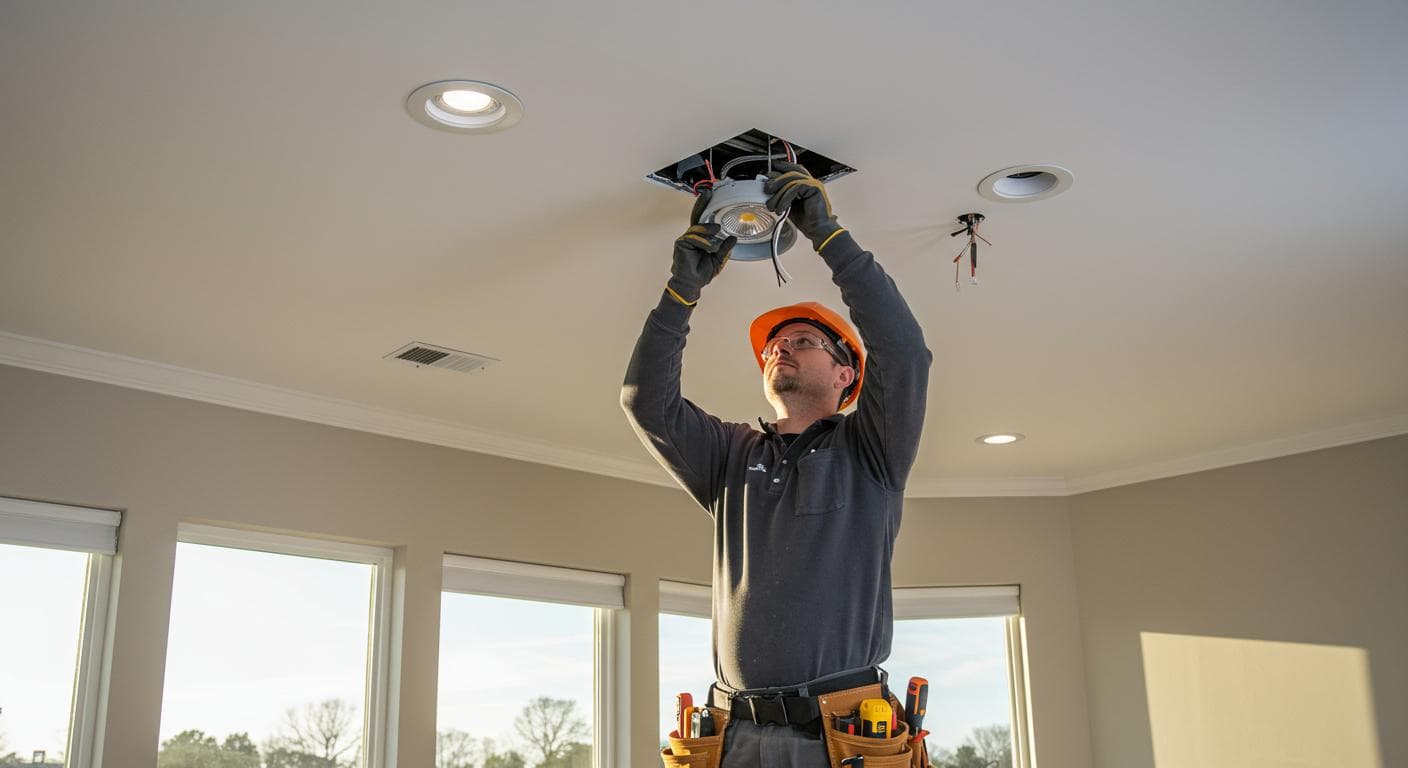
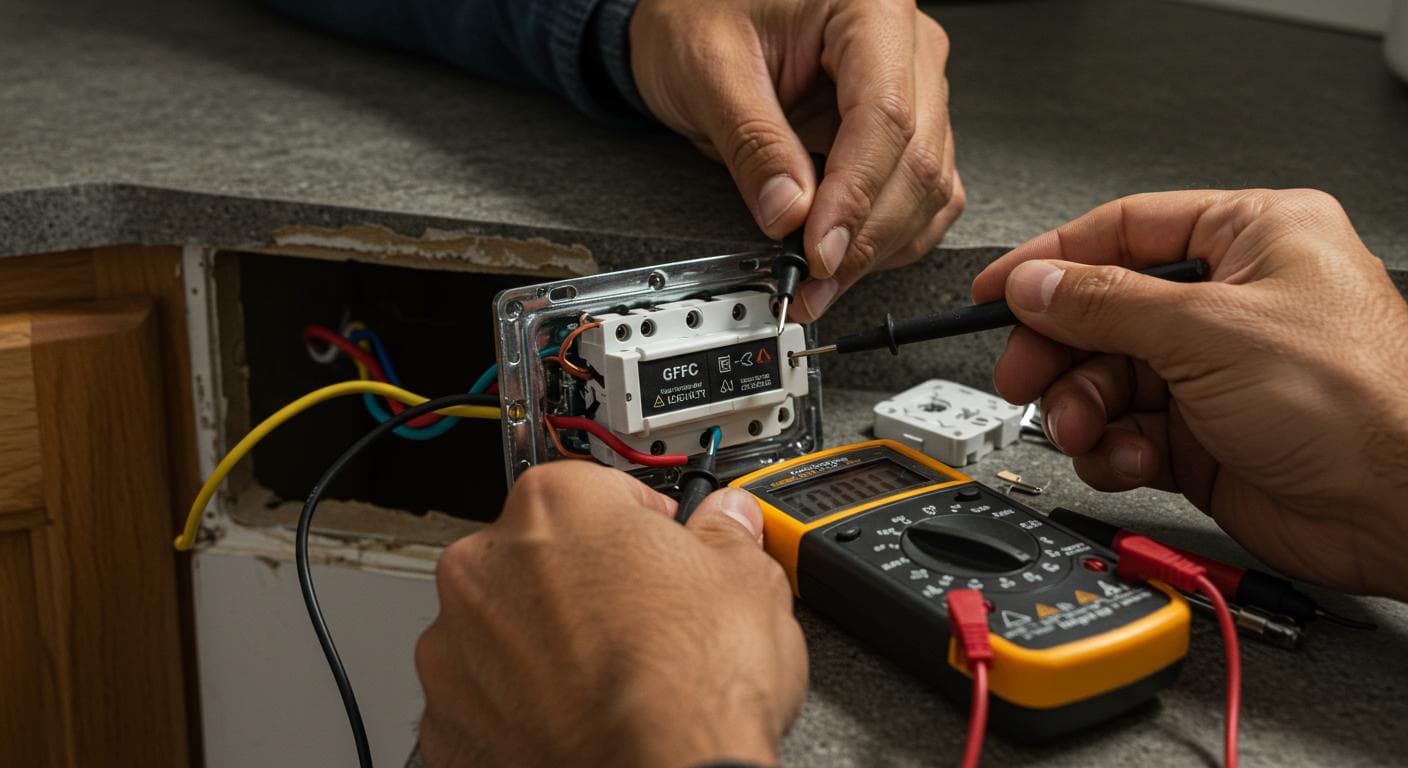
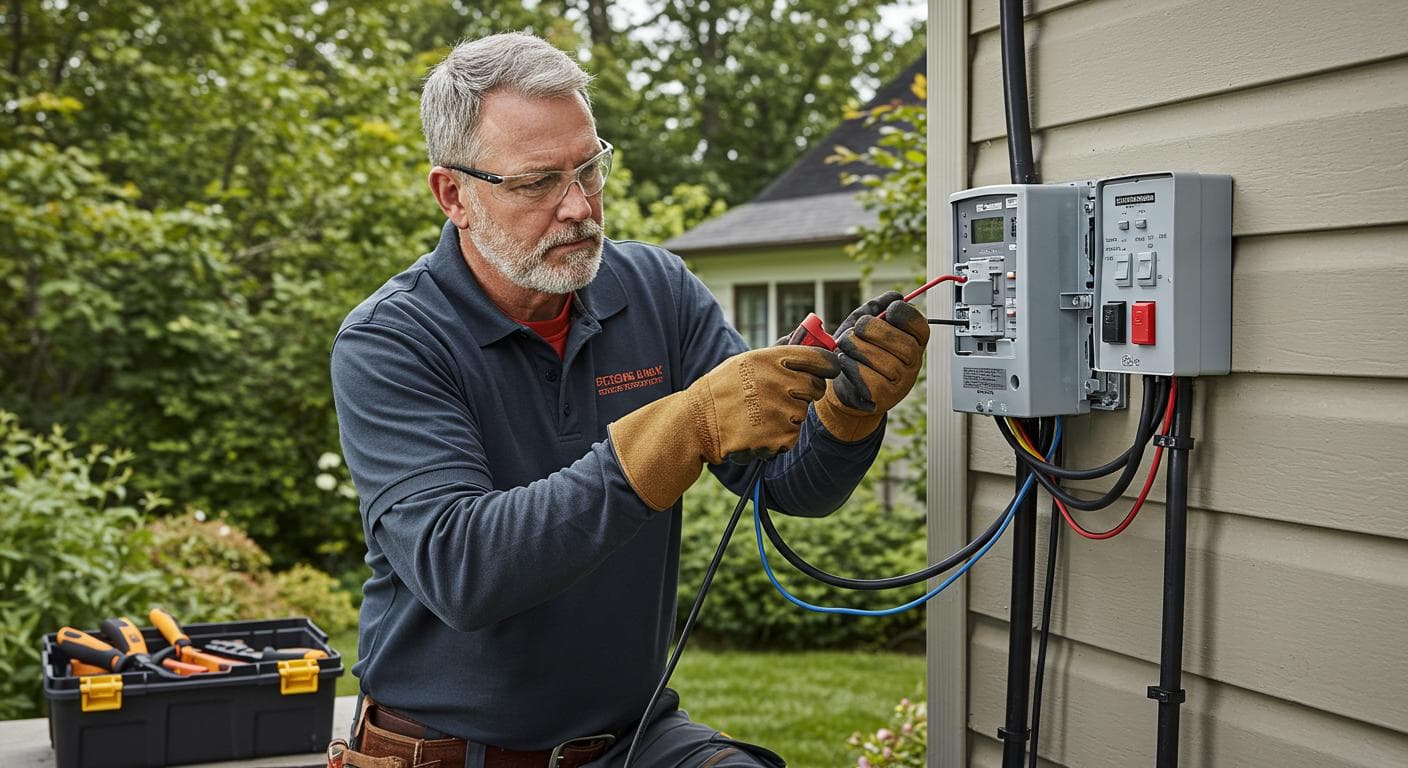
Everything a job covers.
How to hire a electrician near you.
Describe your electrical job, what needs installing, repairing or upgrading and your Ohio city; our local electrician network covers every major metro area
We match you with a licensed Ohio electrical contractor available for your timeline within hours, residential electricians and commercial electricians both available
Your electrician contacts you to confirm scope, pull required permits and schedule the work; electricians in your area typically confirm same day
Work is completed with a safety inspection, you receive photos of the electrical system, panel, wiring and all completed installs
Inspection signed off, permit card delivered, review the electrical work and rate your electrician so future homeowners can choose the best electrician confidently
Electrician cost near you.
Prices vary by scope and city. You get a firm quote after describing the job, free, no obligation.
* US average estimates. Final pricing confirmed before any work begins.
Why hire a professional near you.
Highly trained, licensed Ohio electricians only, every electrical contractor verified through the state eLicense portal before joining the platform
Residential and commercial electrical services covered, from a single lighting fixture to full commercial electrician projects
Permits pulled and inspections scheduled by your pro, you never have to deal with the permit office; courteous electricians handle everything
Emergency service available for power outages, panel failures and electrical issues that can't wait, reliable electrician dispatch in 2-4 hours
Residential and commercial electrical work done to NEC 2023 code, protects your home or business and keeps insurance valid
Get matched instantly.
Describe the job
Tell us about your electrical project: scope, urgency and your zip code.
We match & dispatch
We find the best available verified pro in your area. No bidding wars, no picking from a list.
Get your free quote
Your pro reviews the job and sends a quote. You only pay once you approve the work.
How to choose the best electrical company.
In Ohio, always verify your electrician holds a valid electrical contractor license, check the Ohio eLicense portal. The best electrician for your job will hold a current state license, carry general liability insurance and have a verifiable history of completed electrical work. An unlicensed electrician's work can void your homeowner's insurance and create liability if there's a fire.
Check Google reviews and the Ohio eLicense portal to verify a company has no unresolved complaints before you hire.
Directories like Angi, HomeAdvisor and Thumbtack list electricians, but vetting is inconsistent and you're often bidding against unverified contractors. Contractor Palace verifies every local electrician's license, insurance and track record before they're allowed on the platform, so when you hire an electrician near you through us, you're getting the best electrician match for your job.
Get a written estimate that includes permit fees. Ask specifically whether the quote covers permit pull, final inspection and any needed electrical repair discovered during the job. A reputable Ohio electrical contractor will always include these details. Avoid any electrician willing to skip permits, that's a red flag the electrical work won't be inspected or code-compliant.
Skip the comparison shopping. Contractor Palace pre-vets every pro and dispatches the best match, no browsing directories, no bidding wars.
Signs you need this service.
Breakers that trip repeatedly under normal load, indicates an overloaded circuit, failing breaker or an underlying electrical issue in the panel
Flickering or dimming lights when appliances turn on, sign of undersized wiring or a weak electrical system connection that a professional electrician should evaluate
Outlets that feel warm to the touch or have scorch marks, a serious electrical repair issue requiring an immediate call to a local electrician
Electric panel is 20+ years old, uses fuses or is a recalled brand (Federal Pacific, Zinsco), every homeowner with one of these should schedule an electrical repair or upgrade
No GFCI outlets in bathrooms, kitchen, garage or outdoors, a code violation and safety hazard correctable through residential electrical upgrade
Planning to add lighting fixtures, ceiling fan installation, an EV charger or hot tub that requires a dedicated 240V circuit
Burning smell near outlets or panel, call an emergency electrician immediately, this is a life-safety electrical issue
Electrical Services by City
Choose your city for local pricing, availability and verified pros near you.
Your privacy is protected
We never expose contractor names, business names or direct contact info on our platform. Communication runs through Contractor Palace until your pro is assigned and the work begins, at which point you get direct contact for your pro. It protects both you and the pro.
Why homeowners trust us.
Electrician FAQ.
Do I need permits for electrical work in Ohio?
Most electrical work beyond simple fixture swaps requires a permit. Our pros handle all permitting, it's included in the quote. Every licensed electrical contractor on our platform is experienced with Ohio permit requirements for both residential and commercial electrical work.
How do I hire a licensed electrician near me in Ohio?
Submit your electrical job on Contractor Palace and we'll match you with a verified local electrician in your area within hours. Every electrician on our platform holds a valid electrician's license and has been screened for insurance and track record. You'll see their reviews before you confirm.
What electrical work can a homeowner do themselves?
In Ohio, a homeowner can replace a fixture or outlet on an existing circuit without a permit in some jurisdictions, but any work on the electrical system, panel, new circuits or anything requiring a permit must be done by a licensed electrician. When in doubt, call a professional electrician. Unpermitted electrical work creates liability and can void home insurance.
Do you handle emergency electrical service?
Yes. We dispatch a reliable electrician same-day for emergencies, power outages, sparking panels, burning smells or any electrical issue that can't wait. An emergency electrician is typically on-site within 2-4 hours depending on your Ohio city.
What's the difference between a residential and commercial electrician?
Residential electricians specialize in home electrical systems, wiring, panels, outlets, ceiling fan installation and lighting fixtures. A commercial electrician handles higher-voltage commercial electrical services, three-phase power and commercial code compliance. Our electrical company network includes both, so we always match you with the right type for your job.
How long does a panel upgrade take?
A typical residential electrical panel upgrade takes 4-8 hours. Power will be off during the work. Your electrical contractor will coordinate with the utility company for disconnect and reconnect and will schedule the final inspection with the local inspector.