
Bathroom Remodeler near me. Bathroom Remodeling, local.
Complete bathroom renovations from tile and fixtures to full gut remodels. Our Ohio pros handle everything, no contractor hunting, no hassle. You describe what you want, we make it happen, and we're building the same vetted network for Colorado's Front Range.
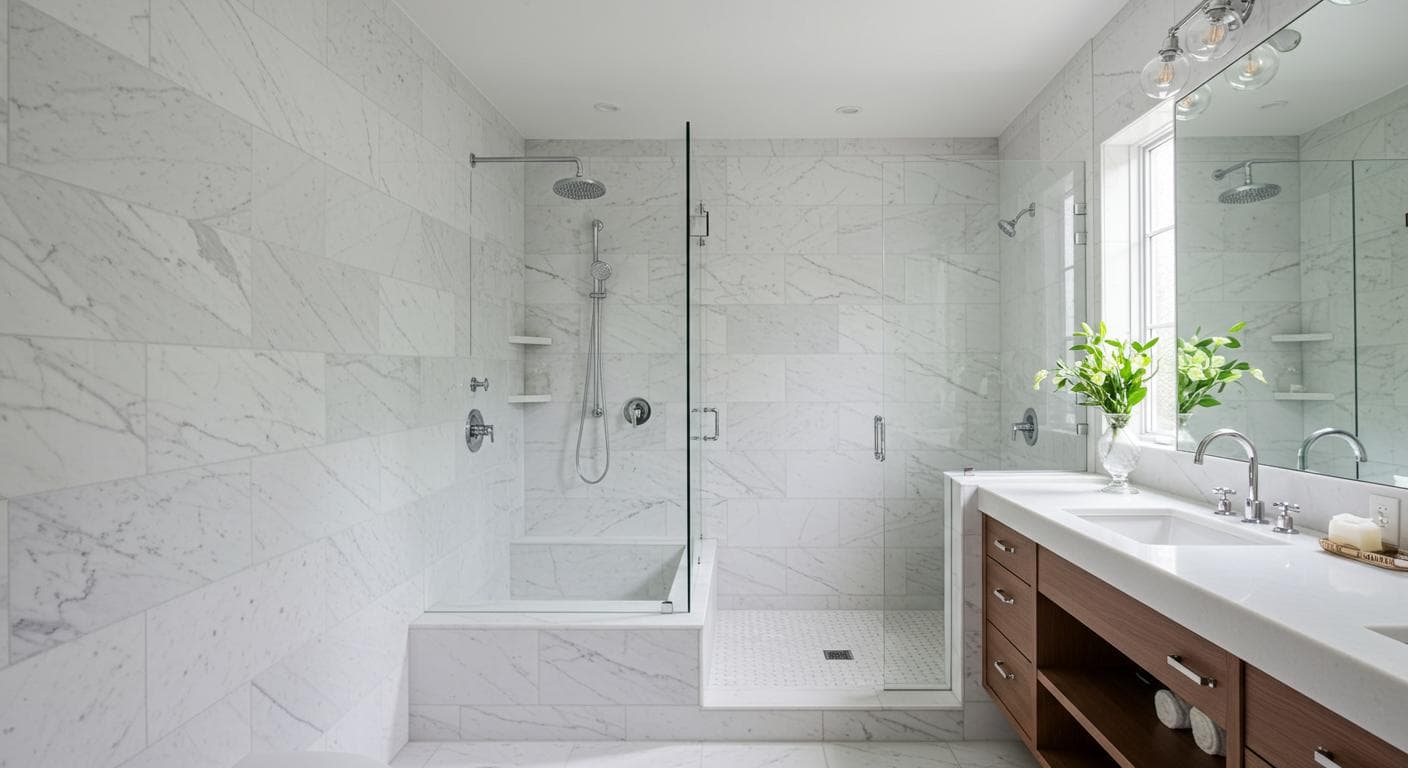
What is bathroom remodeling?
Bathroom remodeling is consistently one of Ohio's most popular home renovation projects, returning 60-70% of cost at resale while dramatically improving daily quality of life. The cost to remodel a bathroom in Ohio varies widely depending on the type of bathroom and scope: a small bathroom refresh runs $3,500 to $6,000 while a full gut renovation of a master bathroom can reach $25,000 to $40,000.
A complete bathroom remodel involves demolition of existing fixtures and finishes, plumbing rough-in modifications, electrical updates (GFCI outlets, exhaust fan, lighting circuits), waterproofing the shower and wet areas, tile and shower floor installation, vanity installation and fixture installation. Materials and labor each represent roughly 40-50% of total cost.
Common Ohio bathroom upgrades include tub-to-shower conversions (especially popular for accessibility), double-sink vanity installations, heated floor tile (practical in Ohio winters), walk-in steam showers and full master suite expansions. Every renovation is unique, costs vary based on the size of the space, materials selected and whether the layout changes.
Ohio building code requires GFCI protection for all bathroom outlets, a minimum 50 CFM exhaust fan and proper waterproofing behind shower tile. Our pros follow all Ohio Residential Building Code requirements and pull required permits for every project.
What homeowners should know.
What Does a Bathroom Remodel Cost in Ohio?
A bathroom remodel in Ohio ranges from $5,000 for a cosmetic refresh (new fixtures, paint, vanity swap) to $30,000 or more for a full gut renovation with a tile shower, custom vanity, heated floors and all new plumbing rough-in. The most important cost variables are whether you're moving plumbing or electrical, the shower construction method and tile selection.
Shower Construction: Tile vs. Prefab
A custom tile shower is the most expensive option and the most durable long-term. Proper tile shower construction requires a waterproof membrane (Schluter Kerdi, WEDI or similar) behind all wet areas before tile is applied. Without this layer, Ohio's humidity will eventually cause water infiltration behind the tile, leading to mold and structural damage. Ask your contractor specifically what waterproofing system they use. "We use cement board" is not a sufficient answer, cement board is not a waterproof membrane.
Prefabricated shower inserts and acrylic surrounds install faster and cost less upfront. Quality varies significantly: entry-level units from big box stores are thin and prone to cracking. Mid-grade units from Kohler, American Standard or Sterling are substantially better. For small bathrooms where a custom tile build-out would reduce floor space, a well-installed prefab unit is a practical choice.
Materials and Cost Ranges
Full bathroom remodel, average Ohio home (5x8 bathroom): $12,000 to $22,000 for a mid-range renovation with tile shower, new vanity, toilet, flooring and fixtures. Master bathroom with double vanity, freestanding tub and large tile shower: $25,000 to $50,000. Half-bath (powder room) remodel: $4,000 to $10,000. Cosmetic refresh only (vanity, fixtures, mirror, paint): $3,000 to $7,000.
Tile selection has a wide cost range. Basic ceramic tile: $2 to $5 per sq ft. Mid-range porcelain: $4 to $12 per sq ft. Large-format tile (24x24 and above): $8 to $20 per sq ft plus additional labor for leveling. Mosaic accent tile: $15 to $50 per sq ft installed.
Plumbing and Electrical Considerations
Moving plumbing rough-in adds $1,500 to $4,000 to the project cost depending on how far drains need to relocate and whether floor penetrations go through concrete or wood framing. Ohio code requires GFCI protection on all bathroom outlets within 6 feet of a water source. If your existing bathroom lacks GFCI protection, it will be added during any permitted renovation.
Heated floors (electric mat systems) add $500 to $1,500 per bathroom depending on square footage. This is one of Ohio homeowners' most-requested upgrades and pays back in daily comfort through the state's long winters.
Finding the Right Contractor
A bathroom contractor who handles tile, plumbing, electrical and carpentry under one contract is the most efficient approach. Splitting the job into separate trades requires significant scheduling coordination and creates gaps in accountability when problems arise. Ask to see completed tile projects, specifically how corners, niches and curbs are handled. These details reveal the finisher's skill level immediately.
### What Drives Bathroom Remodel Cost in Ohio
Ohio homeowners consistently underestimate bathroom remodel costs because the scope question is almost never 'just the tile' or 'just the vanity.' The variables that actually determine the final number break into five layers.
Labor versus materials split: in a mid-range Ohio bathroom remodel, labor typically accounts for 40 to 50 percent of total cost. That means a 12,000-dollar remodel includes 5,000 to 6,000 dollars in labor alone covering demolition, plumbing, electrical, tile setting, drywall, trim carpentry and fixture installation. Shops in Columbus and Cleveland often price labor at 65 to 110 dollars per hour depending on trade.
Plumbing relocation: if every fixture stays in its existing location, you mostly pay for new supply lines, a new drain rough-in for a different tub style and connection labor. Moving a toilet even 12 inches requires opening the subfloor, relocating the drain stack connection and repermitting. In Ohio, that single decision can add 1,500 to 3,500 dollars to a quote.
Wet area scope: a prefab fiberglass shower surround installed into an existing framed opening costs 800 to 1,800 dollars installed. A custom tiled walk-in shower with a bench, niche, linear drain and frameless glass door runs 6,000 to 14,000 dollars and takes 3 to 4 times as long. The gap is real and reflects both materials and skilled tile-setter labor.
Hidden conditions: Ohio homes built before 1980, which account for the majority of housing stock in Cleveland, Dayton and Cincinnati, frequently have surprises behind walls. Galvanized steel supply pipes that are down to a fraction of their original diameter. Cast iron drain lines that have cracked. Subfloor rot from a slow leak around the tub. Load-bearing walls that the previous owner ran plumbing through incorrectly. Budget 10 to 15 percent contingency specifically for hidden conditions.
Permit costs: Ohio municipalities vary widely. Columbus charges 75 to 300 dollars for a bathroom remodel permit depending on project valuation. Cleveland requires permits for any electrical and plumbing work, adding 150 to 400 dollars in fees. Do not skip permits. Unpermitted bathroom work is the number one thing that surfaces during home sales and causes renegotiation.
### Gut Renovation vs Cosmetic Update: Understanding the Difference
A cosmetic bathroom update works within the existing layout, keeping all fixtures in place and upgrading surfaces only. Typical scope: new vanity and mirror, resurfaced or replaced tub, retiled shower walls, new fixtures, fresh paint. Cost range for a 5 by 8-foot Ohio bathroom: 3,500 to 7,000 dollars. Timeline: 5 to 10 days.
A gut renovation strips the room to studs and subfloor, replacing everything. It allows relocation of fixtures, upgrading of plumbing and electrical to current code, treatment of any moisture damage and starting completely fresh on layout. Cost range for the same 5 by 8-foot bathroom: 10,000 to 20,000 dollars. Timeline: 3 to 5 weeks.
The decision point is usually the condition of the waterproofing and subfloor. If the existing tile is in good shape and there is no evidence of moisture intrusion, a cosmetic update delivers strong value. If there is grout failure, soft spots under tile or a wet smell, the cosmetic path often leads to doing the job twice. A good contractor will probe the subfloor and examine the wet area framing before recommending which path to take.
### The Tile Selection Decision: Ceramic, Porcelain and Natural Stone
Ceramic tile is made from clay fired at moderate temperatures, creating a slightly porous body with a glazed surface. It is less expensive than porcelain, cuts easily and is perfectly adequate for bathroom walls and low-traffic floors. Cost: 1 to 4 dollars per square foot for the tile itself.
Porcelain tile is fired at higher temperatures from denser clay, producing a through-body color and very low water absorption. It is harder to cut but dramatically more durable and appropriate for floor applications that see real traffic. Large format porcelain (24x24 inch) creates the seamless look popular in 2024 and 2025 bathroom designs. Cost: 3 to 10 dollars per square foot.
Natural stone, marble, travertine and slate, brings unique veining and texture that no manufactured tile replicates exactly. The tradeoff is maintenance. Marble is porous and etches from acidic cleaners. Travertine needs to be filled and sealed. In Ohio's hard water markets, particularly Columbus and Cleveland, unsealed stone collects mineral deposits that are difficult to remove without damaging the surface. Budget for annual sealing and use pH-neutral cleaners exclusively. Cost: 6 to 25 dollars per square foot depending on stone type and origin.
For shower floors specifically, tiles should be 4x4 inch or smaller because more grout lines mean more surface friction and less slip hazard. Large-format tiles on a shower floor require precise slope to drain and are harder to get right. The most practical shower floor choices remain 2x2-inch mosaic porcelain or penny tile, both providing natural grip and easy slope accommodation.
### Step-by-Step: What Happens During a Full Bathroom Remodel
Day 1 to 2: permit pull and demolition. Fixtures are disconnected, tile broken out, vanity cabinet removed, drywall cut back to studs in wet areas. Subfloor is inspected, probed and any soft or rotted sections are replaced with exterior-grade plywood.
Day 3 to 5: rough plumbing. New supply lines, drain repositioning if applicable, shower valve body rough-in. In Ohio, plumbing inspections are required before walls close. This is a hard stop, not optional.
Day 5 to 7: electrical rough-in. GFCI circuit for outlets, exhaust fan wiring, any additional lighting circuits. Electrical inspection required in most Ohio jurisdictions before drywall.
Day 7 to 10: waterproofing. Cement board installed in wet areas. Shower pan liner or modern waterproofing membrane (Schluter Kerdi, RedGard or similar) applied per manufacturer spec. The waterproofing is the most consequential trade in a bathroom remodel. A failure here shows up 2 to 5 years later as wall rot, floor damage or a mold discovery during a future renovation.
Day 10 to 16: tile installation. Floor first, then walls. Large format tile on floors requires a flat subfloor with deflection under 1/360 of the span. Lippage, the uneven edge between adjacent tiles, becomes visible under raking light. A skilled setter controls this with self-leveling clips on large format tile.
Day 17 to 20: fixtures, vanity, trim. Toilet set, vanity mounted, mirrors and lighting installed, paint, trim carpentry and final punch list.
### Ohio Code Requirements You Need to Know
Ohio follows the Ohio Residential Code (ORC), based on the International Residential Code. Key bathroom-specific requirements: exhaust fans must vent to the exterior, not just into an attic space. GFCI protection is required for all outlets within 6 feet of a sink. Shower controls must be pressure-balanced or thermostatic to prevent scalding. Minimum ceiling height in a bathroom is 6 feet 8 inches.
For tub and shower enclosures, glazing within 60 inches of a drain that is less than 60 inches off the floor must be safety glass. This affects frameless shower doors and certain window placements.
Water heater replacement during a remodel triggers a permit in most Ohio cities. New water heater installations must meet current energy efficiency standards which have tightened significantly since 2015.
### How to Choose a Bathroom Remodeling Contractor in Ohio
Ask for a line-item bid, not a single number. A detailed quote separates materials from labor for each trade: demo, plumbing rough-in, plumbing trim, electrical, tile, carpentry and fixtures. This lets you compare contractors fairly and understand where cost comes from.
Verify the contractor holds an Ohio Home Improvement Contractor registration. Check that their plumbing subcontractor holds a state plumbing license. Electrical work must be done by or under the supervision of a licensed Ohio electrician.
Ask how they handle change orders. Hidden conditions happen in Ohio bathrooms. A contractor with a clear written change order process, cost per hour for unforeseen conditions, is more trustworthy than one who says 'we'll figure it out.'
Check reviews specifically for timeline reliability. The most common bathroom remodel complaint in Ohio is the project taking 3 to 4 times longer than quoted. Ask for references from remodels completed in the past 6 months and call them.
### Frequently Asked Questions
How long does a full bathroom remodel take in Columbus or Cleveland? A gut remodel of an average Ohio bathroom takes 3 to 5 weeks when the contractor has a consistent crew and materials pre-ordered. Delays come from permit turnaround, tile special orders and hidden conditions discovered after demo. Cosmetic updates run 1 to 2 weeks.
Can I stay in my house during a bathroom remodel? Yes for homes with more than one bathroom. For single-bathroom homes, most Ohio contractors can coordinate a compressed demo-to-operational sequence to restore toilet access within a day or two.
Do bathroom remodels require permits in Ohio? Yes. Any work involving plumbing or electrical changes requires a permit in virtually every Ohio jurisdiction. The permit ensures inspections happen at rough-in and at completion. Unpermitted work creates problems at resale.
Colorado Bathrooms: Water Restrictions, Dry Air and the Front Range
Colorado's semi-arid climate and water rights system make water use a bigger design factor in a Front Range bathroom remodel than it typically is in Ohio. Low-flow showerheads, dual-flush or low-gallon toilets and WaterSense-labeled fixtures are a common request on Colorado projects, and it is common for Front Range water utilities to offer rebates on WaterSense-certified toilets and showerheads, something worth asking your contractor or utility about before finalizing fixture selections. Outdoor watering restrictions get most of the attention in Colorado, but indoor water use matters too in a state where water rights are tightly allocated.
Dry air changes the tile installation process itself. Front Range humidity runs far lower than Ohio's, and that dryness speeds up evaporation during tile setting, thin-set mortar and grout can dry too fast at altitude and lose bond strength if a setter does not manage it. Experienced Colorado tile setters mist cured mortar or use a retarding additive to slow the cure, a step Ohio's more humid climate rarely requires. Ask a Colorado bathroom contractor how they handle mortar cure time in dry conditions, a vague answer is a warning sign the same way a vague answer about shower waterproofing is.
Elevation also affects frost depth for any exterior plumbing tied to a bathroom remodel, Denver's IECC zone 5B and the colder zone 6 and 7 elevations above it require deeper buried line protection than most of Ohio. Contractor Palace is building its bathroom remodeling contractor network in Colorado now. We book bathroom remodeling jobs across Colorado and Ohio today.
Bathroom Remodeling documented.
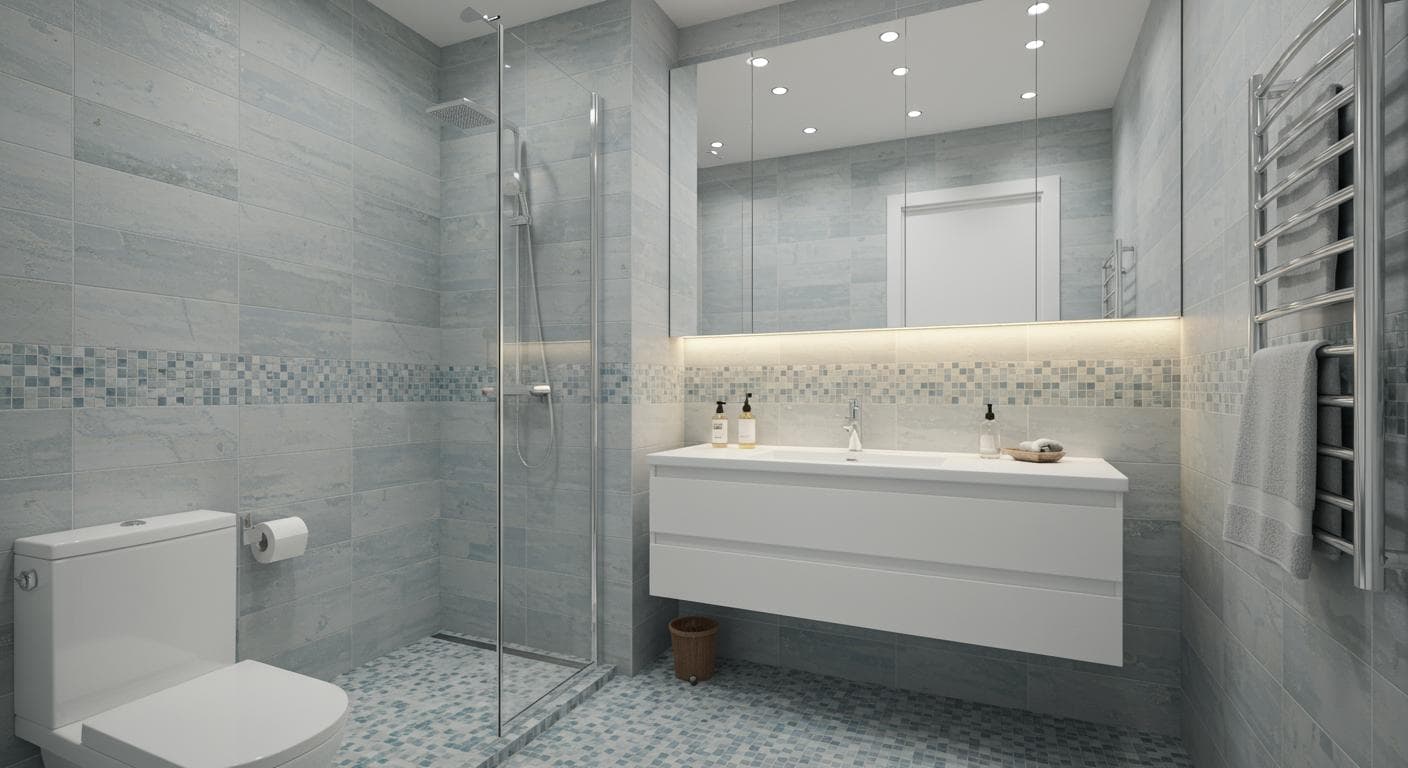
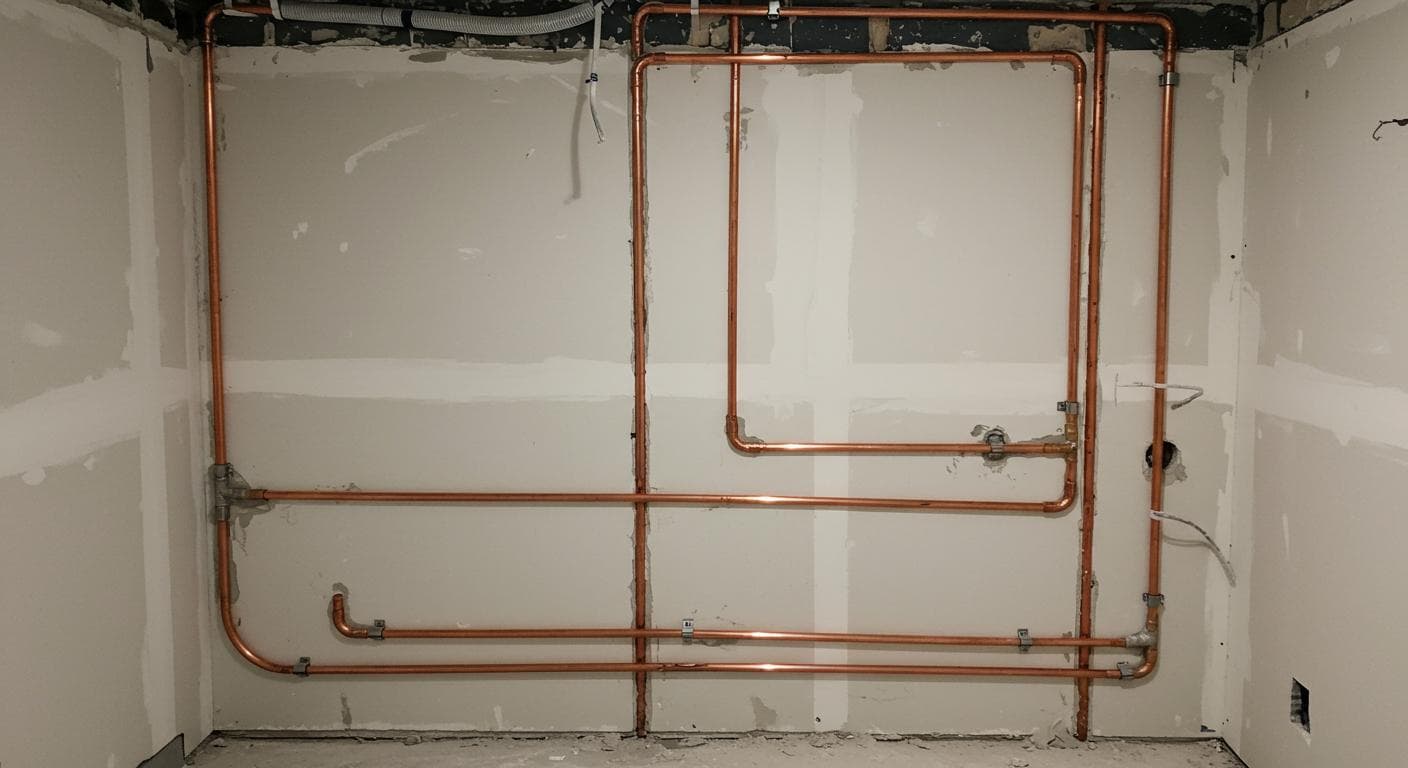 task_altDesign consultation included
Bathroom under construction showing exposed plumbing and copper pipes
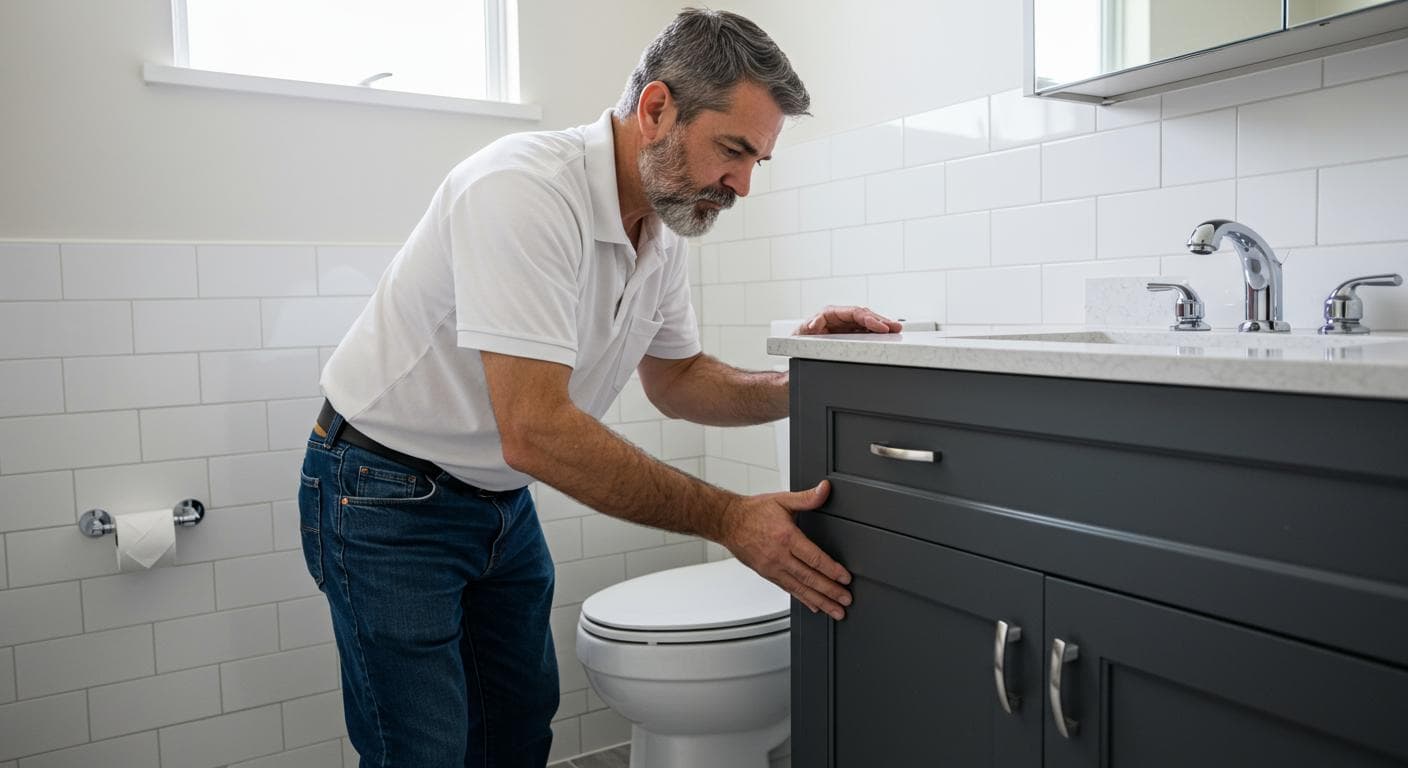
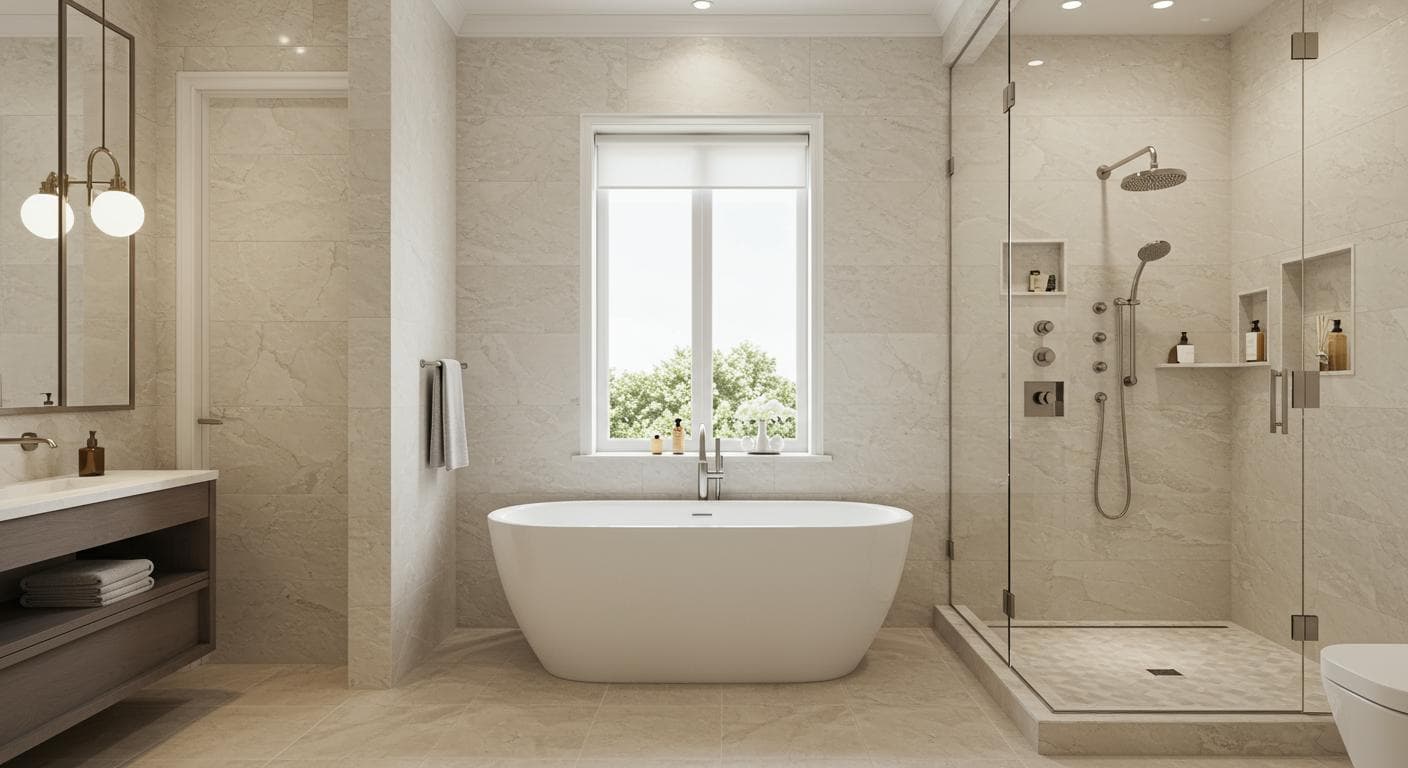 task_altFinal walkthrough and punch list
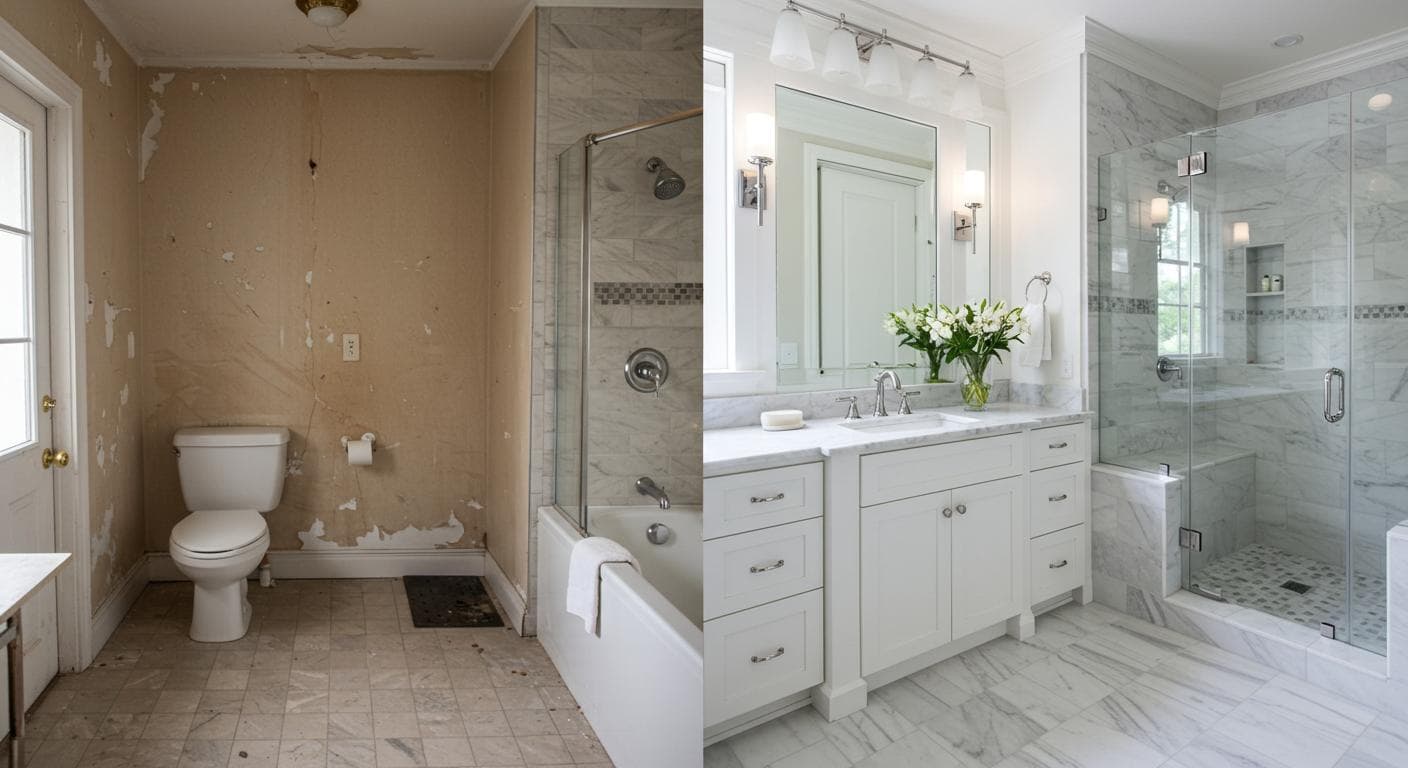
Luxury master bathroom with freestanding soaking tub and marble floors
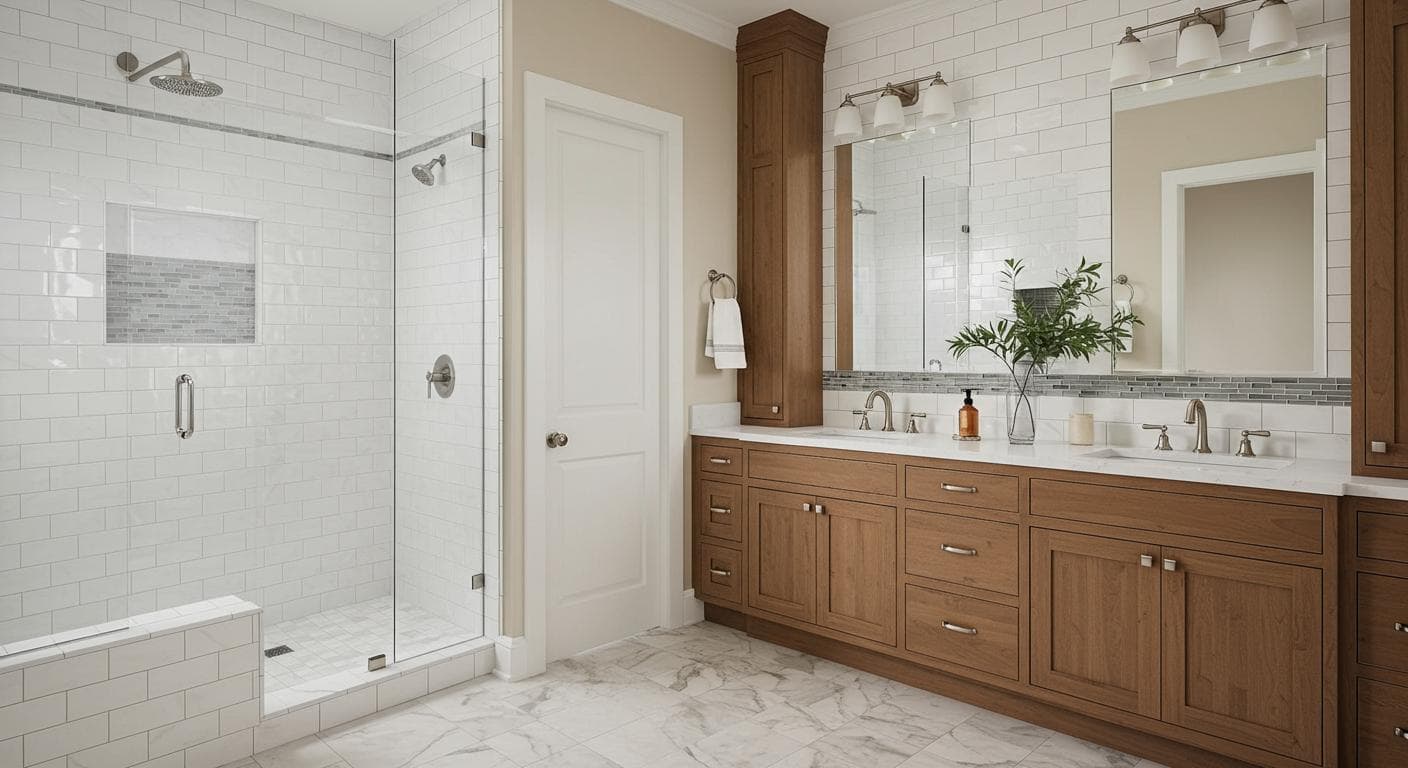
Everything a job covers.
How to hire a bathroom remodeler near you.
Describe your bathroom remodel, size, scope, style preferences and budget range, with your Ohio city
Design consultation to finalize layout, tile selection, fixture choices and fixture allowances
Permits pulled for plumbing and wiring, demolition begins once permits are approved
Rough plumbing, electrical and waterproofing completed and inspected before tile goes in
Tile installation, vanity set, fixtures installed, punch list completed, bathroom ready for use
Bathroom Remodeler cost near you.
Prices vary by scope and city. You get a firm quote after describing the job, free, no obligation.
* US average estimates. Final pricing confirmed before any work begins.
Why hire a professional near you.
All trades coordinated, plumber, electrician and tile setter scheduled in the correct sequence
Waterproofing done to TCNA (Tile Council of North America) standards, no moisture failures behind tile
GFCI and exhaust fan compliance, Ohio code requirements met and inspected
Fixture allowances built into quotes, choose your own vanity, toilet and hardware
60-70% ROI at Ohio home resale, one of the best-returning renovation investments
Permits pulled and inspections scheduled at every required stage, plumbing and electrical signed off before tile goes in so nothing gets covered up unpermitted
Get matched instantly.
Describe the job
Tell us about your bathroom remodeling project: scope, urgency and your zip code.
We match & dispatch
We find the best available verified pro in your area. No bidding wars, no picking from a list.
Get your free quote
Your pro reviews the job and sends a quote. You only pay once you approve the work.
How to choose the best bathroom remodeling company.
Start a bathroom remodel by verifying your contractor coordinates all licensed trades, plumbing, electrical and tile work. A contractor who manages all three trades is far less stressful than hiring each separately. Verify the contractor has experience managing full bathroom renovations specifically, not just general remodeling.
Platforms like Angi, HomeAdvisor and Houzz list renovation contractors, but verify that quoted pros are licensed for plumbing and electrical work in Ohio. Contractor Palace verifies all trade licenses before contractors join the platform.
Get a quote that specifies fixture allowances clearly, allowances for bathroom vanity, tile and fixtures are where bathroom remodel costs most often exceed budget. Use a cost calculator to estimate your project cost before your first consultation so you can set realistic expectations around materials and labor costs.
Skip the comparison shopping. Contractor Palace pre-vets every pro and dispatches the best match, no browsing directories, no bidding wars.
Signs you need this service.
Bathroom tile cracking, grout failing or showing mold in the grout lines
Tub or shower with no waterproofing behind the tile, soft spots in bathroom walls indicate water damage
Outdated fixtures, lighting or floor plan that feel dated compared to your home's other spaces
Single bathroom in a growing household, adding a guest bathroom or expanding primary bath
Tub that's never used, convert to walk-in shower for better functionality
Bathroom ventilation inadequate, mold forming on ceiling and around fixtures
Planning to sell, updated bathroom look is among the top buyer priorities in Ohio's market
Shower water that scalds or turns cold without warning, often aging valve hardware that no longer meets Ohio's pressure-balanced shower code
Galvanized supply lines or cast iron drains behind the walls, common in Ohio homes built before 1980 and prone to failing without warning
Bathroom Remodeling Services by City
Choose your city for local pricing, availability and verified pros near you.
Your privacy is protected
We never expose contractor names, business names or direct contact info on our platform. Communication runs through Contractor Palace until your pro is assigned and the work begins, at which point you get direct contact for your pro. It protects both you and the pro.
Why homeowners trust us.
Bathroom Remodeler FAQ.
How much does a bathroom remodel cost in 2026?
The average bathroom remodel cost in Ohio ranges from $5,000 for a small bathroom refresh to $25,000+ for a full gut renovation. Mid-range bathroom remodels with new tile, vanity and tub typically run $8,000 to $15,000 including labor and permitting fees.
Do I need permits for a bathroom remodel in Ohio?
Most structural, plumbing and licensed-trade work requires permits. Permit costs typically run $150 to $500 in Ohio. Our pros handle all permitting, it's included in your quote.
Can I supply my own materials?
Yes. You can purchase your own tile, vanity, fixtures or tub. Just let us know at booking so we quote labor only and adjust for your material cost.
What factors affect the cost of a bathroom remodel?
Size of the bathroom, type of bathroom (guest bathroom vs. master bathroom), fixture quality, whether you're moving plumbing and layout changes all affect the cost. Per square foot costs range from $7 to $15 for cosmetic work to $100+ for luxury full remodels.