
Plumbers near you
From leaky faucets to full pipe replacements, our independent Ohio plumbers handle it all. Every job is dispatched to an independent local professional in your area, and we're building the same independent network across Colorado's Front Range.

What is plumbing?
Plumbing covers everything from fixing a leaky faucet to installing a complete water supply and drainage system in your home. If you need to hire a plumber, it's important to ask what your city requires. The Ohio Construction Industry Licensing Board (OCILB) licenses commercial plumbing contractors, and for work on a home your city or county sets the rules. Every plumber in our directory is independent. Ask your pro for their license and proof of insurance.
Common plumbing services include leak repair, water heater installation and replacement, pipe repair and replacement, drain cleaning, toilet repair, sink and faucet installation, sewer line repair and full bathroom or kitchen rough-ins for new construction.
When you're dealing with a plumbing issue, the cost and speed of repair both matter. Tell us the job and we look for one independent local plumber in your area, no cold-calling, no bidding wars. Plumbers in your area are independent local businesses. Ask each one for their license and proof of insurance.
Ohio homeowners face unique residential plumbing challenges: freeze-thaw cycles cause pipe bursts, especially in Toledo, Cleveland and Akron. Older homes in Columbus and Cincinnati often have galvanized steel pipes that corrode. Basement sump pumps are essential across the state due to Ohio's high water tables. Learn more about your specific plumbing issue in the FAQ section below or book a plumber now and get matched.
What most people ask first.
Small Plumbing Jobs: Faucets, Toilets and Drains
Not every plumbing call is a sewer line replacement. The most common jobs licensed Ohio plumbers handle are small residential fixes: a dripping faucet wasting gallons per day, a running toilet adding $30 a month to the water bill, a kitchen sink drain clogged with grease or a bathroom tub backing up from hair buildup. These small jobs typically cost $75 to $175 and take under an hour. A licensed plumber is worth it for these because misdiagnosis is common. What looks like a faucet washer issue can be a corroded valve seat, and what looks like a simple drain clog can be the start of a root intrusion in the main line. Getting the diagnosis right the first time prevents repeat service calls.
Ohio homeowners sometimes assume small plumbing jobs do not require a licensed plumber. For a faucet cartridge swap or a toilet flapper replacement, that is technically true in most Ohio jurisdictions. But any work that opens supply lines, replaces a toilet (which reconnects to a drain flange) or involves a fixture that feeds into a shared drain is best handled by a licensed plumber who carries liability insurance. The $30 to $50 savings from hiring an unlicensed handyman evaporates fast if they crack a supply line or leave a toilet flange connection loose.
One question Ohio homeowners often ask is whether they need to replace aging pipes outright or simply repair the section that's failing. A licensed plumber can assess whether a targeted repair is sufficient or whether corrosion has spread far enough that you need to replace the full run, catching this early is almost always cheaper than waiting until a second failure forces a larger project.
Ohio plumbing companies operating as an LLC carry their own liability insurance, which means any damage caused during a job is covered without coming out of your pocket. Always verify this before letting anyone open walls or trenches on your property. Ask every plumber for their license number and a current certificate of insurance before work starts.
For homeowners in Columbus, Cleveland, Cincinnati and surrounding areas, our dispatched plumbers are familiar with local code requirements set by each municipality, which often differ slightly from state minimums. That local knowledge saves rework and failed inspections.
Pipe Material Comparison: Copper vs. PEX vs. CPVC
Ohio homes built before 1980 almost universally have copper supply lines. Homes built after 2000 are increasingly plumbed with PEX (cross-linked polyethylene). Each material has real tradeoffs Ohio homeowners should understand before approving a repair or replacement.
Copper is proven and durable, lasting 50 to 70 years under normal conditions. It tolerates high temperatures and is biostatic, meaning bacteria do not grow inside it. The downside in Ohio is cost: copper pipe and fittings run two to three times the material cost of PEX. Copper is also the material most vulnerable to Ohio's freeze-thaw problem, it splits when water inside freezes and expands.
PEX is flexible, resists freezing better than copper (it expands and often survives a freeze that would split copper) and costs significantly less to install. Its weaknesses: UV sensitivity (cannot be used for outdoor exposed runs), incompatibility with certain well water conditions and a lifespan that is less proven in the field than copper. Most Ohio plumbers consider PEX the right call for full replumbs and new construction.
CPVC is a rigid plastic pipe used primarily in hot water supply lines. It costs less than copper and is easier to cut, but becomes brittle over time, particularly in Ohio's temperature-cycling environment. You will often find CPVC in 1990s Ohio homes. It is acceptable for repairs but most licensed Ohio plumbers prefer PEX or copper for full replacements.
For Ohio homeowners deciding between a targeted repair in an existing material and a full conversion, a licensed plumber can inspect the full run and assess whether partial repair is stable or whether corrosion has spread far enough that a full section replacement in PEX is the smarter long-term call.
Ohio-Specific Plumbing Problems You Should Know
Galvanized steel pipes were standard in Ohio homes built between 1900 and 1960. Galvanized corrodes from the inside out, restricting water pressure over time and eventually flaking rust into the water supply. Orange or brown tinted hot water in older Columbus, Cleveland and Cincinnati neighborhoods is a common indicator. Replacement is the only real fix.
Lead service lines connecting the city main to the home are still present in older Ohio neighborhoods, particularly in Toledo, Cleveland and Columbus. Ohio EPA and the federal Lead and Copper Rule require utilities to identify and replace these. If you have concerns, ask your municipality about the status of your service line. Your plumber can also identify whether interior lead solder joints exist in older copper work.
Basement sump pumps are nearly universal in Ohio due to high water tables and clay soil that routes surface water toward foundations. A sump pump that runs constantly or discharges heavily during spring rains is doing its job, but an aging pump (over 7 years) is a liability. Battery backup units from brands like Zoeller and Wayne provide 8 to 10 hours of pumping during power outages, exactly when Ohio storms knock out electricity.
True Cost Breakdown: Common Ohio Plumbing Jobs
Clearing a clogged main drain line using a motorized snake: 200 to 400 dollars. Camera inspection of drain lines to locate root intrusion or collapse: 150 to 350 dollars. Replacing a water heater (50-gallon tank): 800 to 1,600 dollars installed, including permit where required. Tankless water heater installation: 1,800 to 3,500 dollars depending on gas line sizing and venting requirements. Partial pipe replacement (galvanized to PEX, one floor): 1,500 to 4,000 dollars. Full whole-home replumb (1,500 sq ft house): 5,000 to 12,000 dollars. Sewer line replacement (trenchless, average Ohio residential run): 4,000 to 10,000 dollars.
Labor rates in Columbus and Cleveland metro areas run 90 to 130 dollars per hour for licensed plumbers. Emergency after-hours rates add 50 to 100 percent to the base rate.
Permits and Code Requirements for Ohio Plumbing
Ohio plumbing work that modifies or extends water supply or drainage lines requires a permit from the local building department and inspection by a licensed plumbing inspector. Work that does not require permits includes replacing a faucet, toilet or water heater in-kind (same location, same connection points). Work that does require permits: new drain lines, extending water supply to an addition, relocating fixtures, any work that opens walls to access pipe runs.
Hiring a plumber who skips permits creates liability for the homeowner. Unpermitted plumbing work surfaces during home sales (inspection reports flag it) and can complicate a future sale. Licensed Ohio plumbers pull permits as part of the job; any contractor who asks you to 'skip the permit to save money' is a red flag.
Common Mistakes Ohio Homeowners Make with Plumbing
Ignoring a slow drain until it fully backs up. A slow drain is almost always a partial blockage that a 20-minute snaking job clears for 150 to 200 dollars. Left alone, that blockage becomes a full backup or a root intrusion that requires a camera inspection and potentially a line replacement at 5 to 10 times the cost.
Hiring based on price alone for water heater replacement. A licensed Ohio plumber replaces the water heater and checks the pressure relief valve, expansion tank condition (required with closed water systems), gas line connections and venting. An unlicensed handyman installs the tank and leaves. That missing expansion tank causes chronic pressure problems and shortens water heater life significantly.
Patching a section of galvanized pipe without assessing the rest. Galvanized corrodes uniformly along its length. Patching the section that failed while leaving equally corroded pipe adjacent guarantees another failure within months.
Mini FAQ
What is a plumbing inspection and do I need one for an older Ohio home? A plumbing inspection involves a licensed plumber assessing the condition of visible supply and drain lines, checking water pressure, inspecting under sinks and in the basement and recommending action on any failing components. For Ohio homes built before 1970, a pre-purchase plumbing inspection is strongly advisable before committing to the home.
How long does a whole-home replumb take in Ohio? A full replumb of a 1,500 square foot home typically takes 3 to 5 days. The home is usually habitable during the work except for brief periods when water is shut off. Wall patching and painting are generally not included in the plumbing contract and must be arranged separately.
What warranty should I expect on plumbing work in Ohio? Industry standard for licensed Ohio plumbing work is a 1-year labor warranty on repairs and installations. Water heater manufacturers provide separate product warranties, typically 6 years on standard tanks and 10 to 12 years on premium models. Ask your plumber for warranty terms in writing before work starts.
Colorado Plumbing: Elevation, Frost Depth and Front Range Water
Ohio's plumbing problems mostly come from decades of freeze-thaw cycling, pipes that repeatedly expand and contract as temperatures swing above and below freezing all winter. Colorado's Front Range sees a different pattern. Elevation and dry air mean fewer freeze-thaw cycles but colder, harder overnight lows and much bigger swings between day and night temperatures, so an exposed or under-insulated pipe on the Front Range can freeze hard and fast rather than through repeated cycling. Denver sits in IECC climate zone 5B, and homes at higher Front Range elevations sit in zone 6 or 7, colder than any part of Ohio, which is why local frost line depth requirements for buried water lines and foundation footings run deeper than in most Ohio jurisdictions.
Water itself varies more across the Front Range than it does across Ohio's cities. Some Front Range utilities draw primarily from mountain snowmelt and deliver relatively soft water, while others rely more on groundwater and run harder, so the case for a water softener depends heavily on which city and utility a home is on rather than a single statewide answer. Colorado's semi-arid climate and strict water rights system also mean lawn irrigation and outdoor water use carry real restrictions in many Front Range cities, something Ohio homeowners rarely have to plan around when scheduling outdoor plumbing work.
PEX has become the default for new construction along the Front Range for the same reason it is gaining ground in Ohio, it tolerates a hard freeze better than rigid copper because it can expand slightly without splitting. Contractor Palace is building its plumber network in Colorado now. We book plumbing jobs across Colorado and Ohio today.
Plumbing documented.
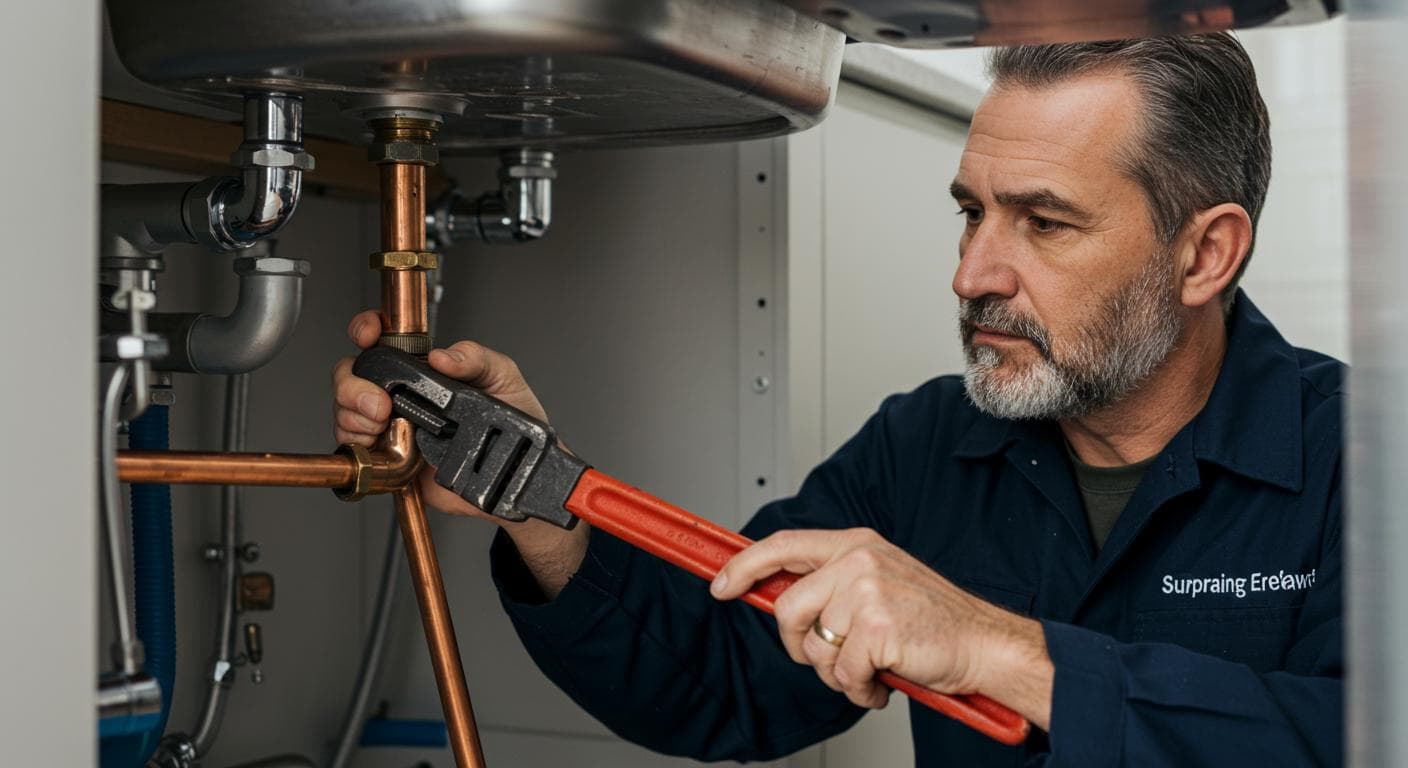


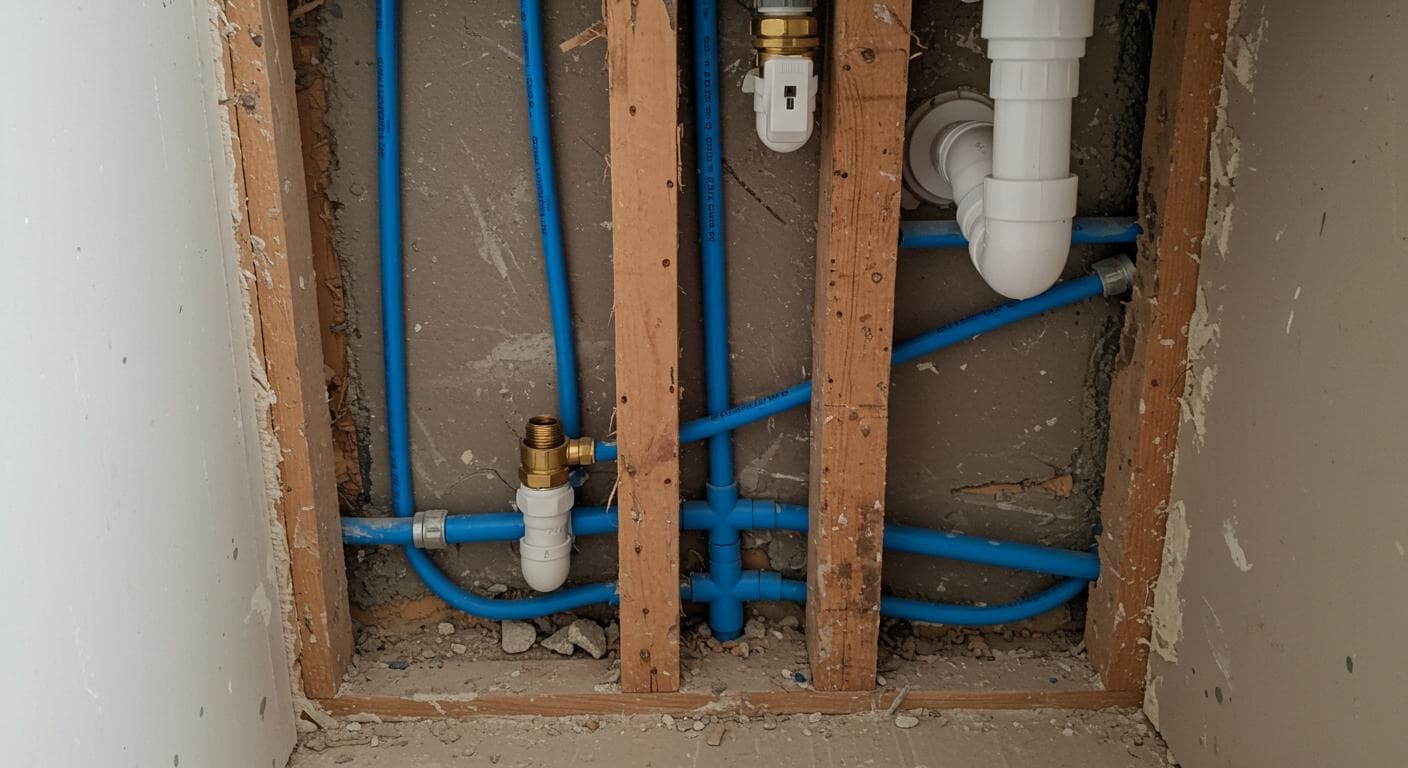
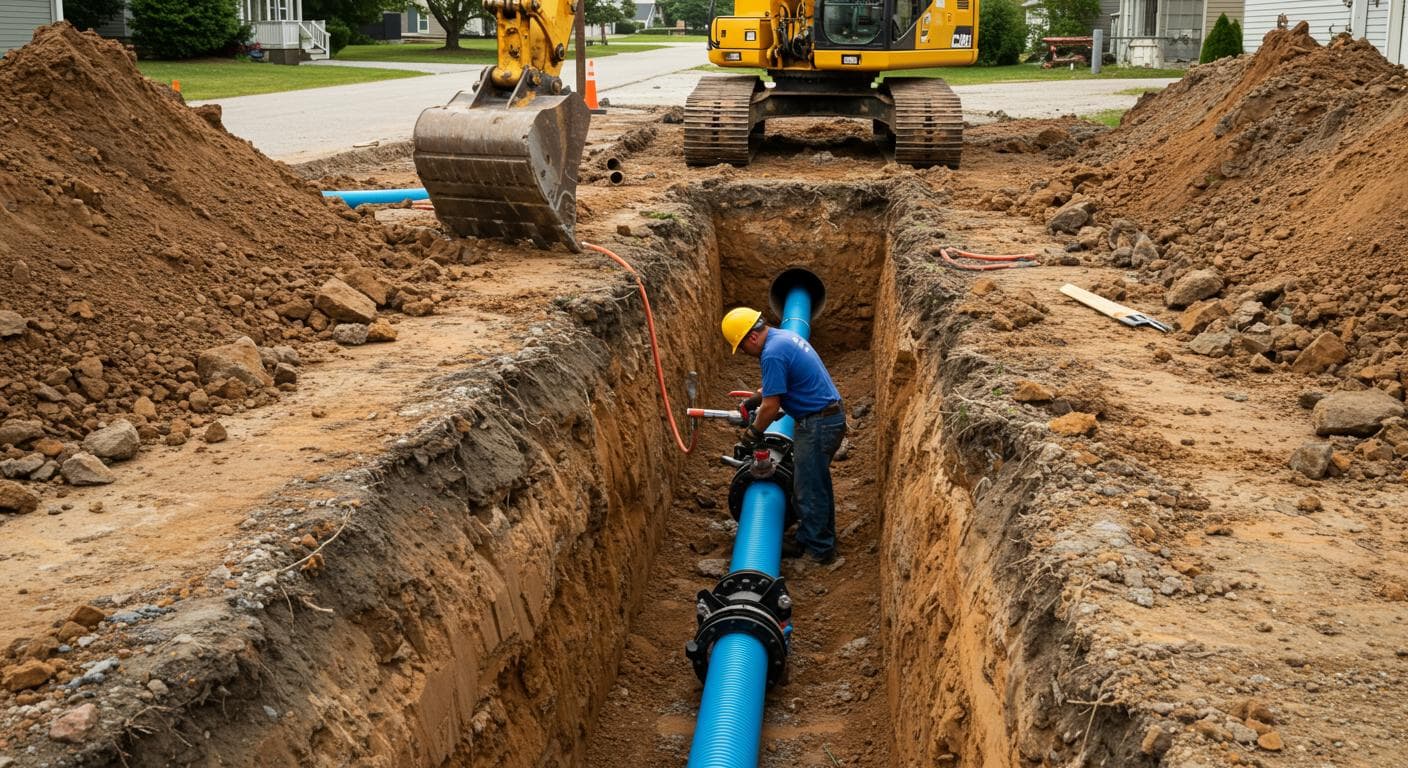
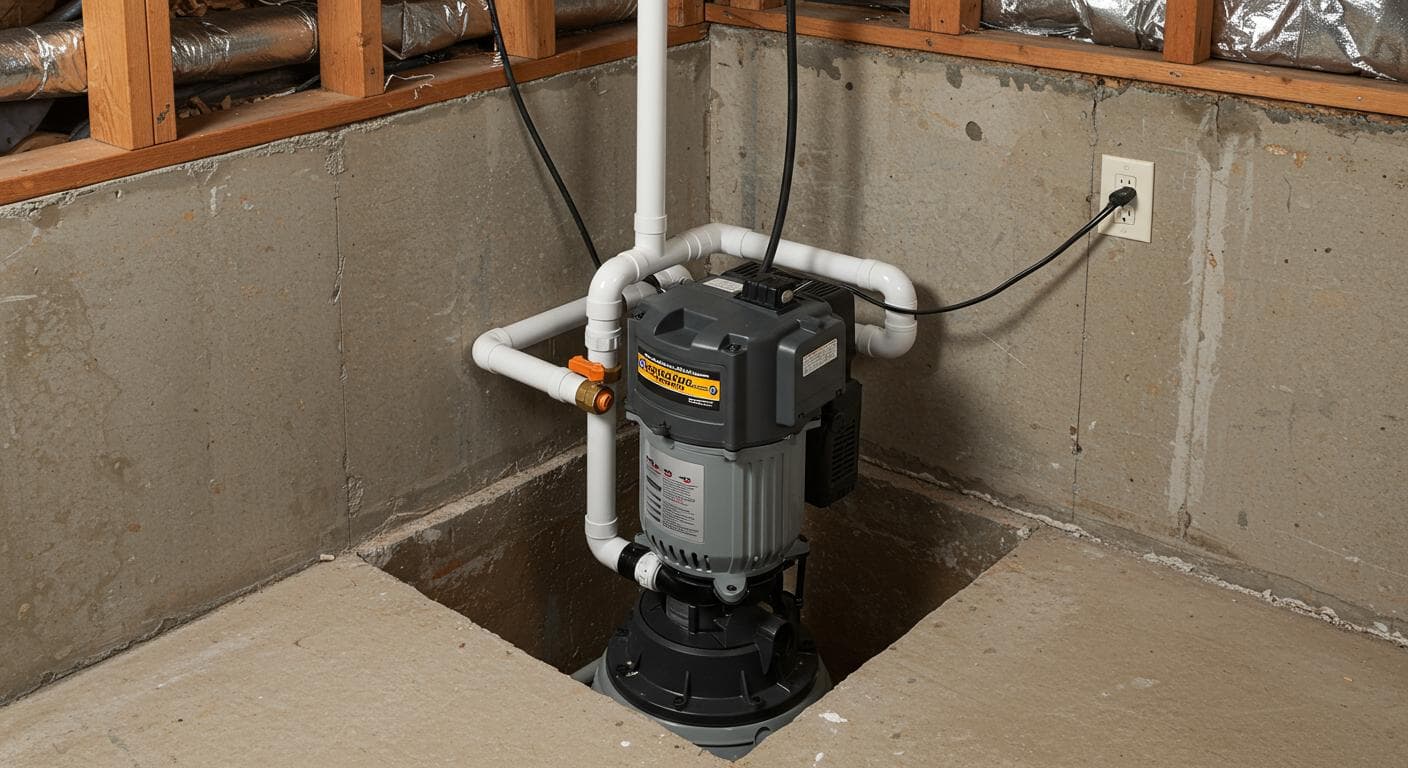
What to ask your pro.
How to hire a plumber near you.
Submit your plumbing job details, describe the plumbing issue, whether it's a leak, broken fixture or new installation, plus your Ohio zip code
Our platform matches you with an independent local plumber, ask for their license number and proof of insurance
Your assigned plumber contacts you to confirm scope, schedule and provide a firm written quote so you know the full cost upfront
Work begins, you get photo updates at each milestone and can message your pro; plumbers in your area typically complete standard jobs same day or next day
Job complete, inspect the work, approve it and leave an independent local customer review for future Ohio homeowners to trust
Plumber cost near you.
Expect your quote to land somewhere in these ranges, higher in big metros and for rushed or hard-to-reach work.
* Ranges are US averages and change with local labor and material costs.
What a good pro brings.
Independent local plumbers: ask each one for their license and proof of insurance
One independent local plumber matched to your job, with customer reviews to read before you decide
Ask for a written quote before work starts, so the final invoice matches what you agreed
Learn what's wrong before you book, a good plumber explains the plumbing issue clearly and provides written documentation
Scope and price agreed in writing before work starts
From request to quote.
Tell us what you need
Tell us about your plumbing project: scope, urgency and your zip code.
We send it to a local pro
One independent local pro gets your request. You are not handed a directory or a bidding contest.
Review the quote
Read the quote, ask questions, then choose whether to go ahead. Payment terms are agreed with your pro.
How to choose the best plumbing company.
Choosing a plumber in Ohio requires checking several factors. First, ask what license your city requires for the job and whether the plumber holds it. If they have an Ohio OCILB license, you can look it up on the Department of Commerce site. Ask your insurer too, since work that skips local rules can cause trouble with a claim. You can check Google reviews and the Ohio Attorney General consumer complaint database to verify whether a company has unresolved disputes.
You can find plumbers through directories like Angi, HomeAdvisor and Thumbtack, but these platforms charge contractors for leads, which often inflates your quote. Contractor Palace works differently: we match you with one independent local plumber for your plumbing job, so you skip the comparison shopping. Ask the plumber for their license and proof of insurance.
Compare written estimates before committing. Ohio law requires written contracts for jobs over $500. When you compare quotes, look for what's included, parts, labor and warranty. Check customer reviews for consistency in responsiveness, cleanliness and quality of work over time, not just star averages. Top plumbers in your area will have a track record you can check in their reviews and references.
One pro, not twenty. We send your plumbing request to a single independent local pro instead of a directory.
Signs you need this service.
Water stains on ceilings or walls, indicates a hidden water pipe leak above or behind the wall, a plumbing issue that worsens if ignored
Slow drains in multiple fixtures simultaneously, likely a main sewer line blockage, not just a single residential clog
Low water pressure throughout the home, may signal corroded pipes, especially in older Ohio homes with galvanized steel
Water heater over 10 years old making rumbling sounds or producing rusty water, a common residential plumbing issue in Ohio
Spike in water bill with no change in usage, often caused by a slow running toilet or hidden water leak behind walls
Pipes making banging or hammering sounds when water is turned off (water hammer)
Visible rust, corrosion or discoloration on exposed pipes in basement or crawl space
What to shut off first, how to tell if it can wait until morning, and how to get an independent plumber matched to your job. Emergency plumber guide
Burst pipes and sewage backups do not wait for business hours. 24-hour plumber guide covers when to call overnight and what it costs.
Prices from a minor fix to a full repipe. See plumbing repair costs
Read the guide: Hiring a residential plumber
Read more: Keep pipes from freezing
Plumbing Services by City
Choose your city for local pricing, availability and independent local pros near you.
Your privacy is protected
We never expose contractor names, business names or direct contact info on our platform. Until a pro accepts the job, messages go through us. Once assigned, you get their contact details.
How Contractor Palace works for you.
Plumber FAQ.
How do I hire a plumber near me in Ohio?
Submit your job on Contractor Palace and we'll match you with an independent local plumber in your area. Ask for their license number and proof of insurance, and get the quote in writing.
Are the plumbers licensed in Ohio?
In Ohio, the state licenses commercial plumbing contractors. For work on a home, your city or county sets the rules, and many accept the state license. Plumbers in Ohio work as independent businesses. Ask each one for their license and proof of insurance, and look up any Ohio OCILB license on the Department of Commerce site. Checking the Better Business Bureau and customer reviews is also worth a few minutes.
How much does it cost to hire a plumber?
Plumbing repair cost in Ohio typically ranges from $85 for a simple leak fix to $3,000+ for a full bathroom rough-in. Ask for a firm written quote before work begins so there are no surprise invoices. You can compare cost estimates from our matched plumbers before committing.
How quickly can I get a plumber in my area?
Response times depend on the independent pro and your location. Ask each plumber how soon they can come out for a standard job, and whether they take emergency calls on weekends and holidays.
What if I'm not satisfied with the work?
Tell the pro first, most problems get fixed on the spot. Agree the scope and price in writing before work starts, so there is a clear standard to hold them to, and contact us if a pro stops responding.
What's the best way to find a plumber for small jobs near me?
For small plumbing jobs like a leaky faucet, running toilet or slow drain, post the job on Contractor Palace and describe the scope. We match you with an independent local plumber who takes small residential jobs. Many plumbers prefer small repeat customers over single big projects. You get one matched pro, a firm price upfront and no service-call runaround.
How much do cheap residential plumbers charge near me?
Budget-conscious residential plumbing in Ohio typically runs $85 to $175 for a faucet repair, $75 to $150 for a toilet flapper or fill valve, and $85 to $175 to clear a single slow drain. 'Cheap' and 'licensed' can coexist: a licensed plumber who works efficiently on small jobs is often cheaper total than an unlicensed handyman who misdiagnoses the issue. Get a firm written quote before any work begins.
How do I find a certified or licensed plumber near me?
The Ohio Construction Industry Licensing Board (OCILB) licenses commercial plumbing contractors, and for a home your city or county decides what is needed. Many accept the OCILB license. You can look up any OCILB license on the Ohio eLicense portal at elicense.ohio.gov. Ask the pro for their license and proof of insurance before work starts.
Can you recommend a good plumber with fair prices?
We can do better than a recommendation: we match you directly with an independent local plumber who covers your area. Ask the plumber for their license and proof of insurance. Fair pricing means a written quote before work starts and no surprise charges on the invoice. Post your job, get matched and see the price before you commit to anything.