
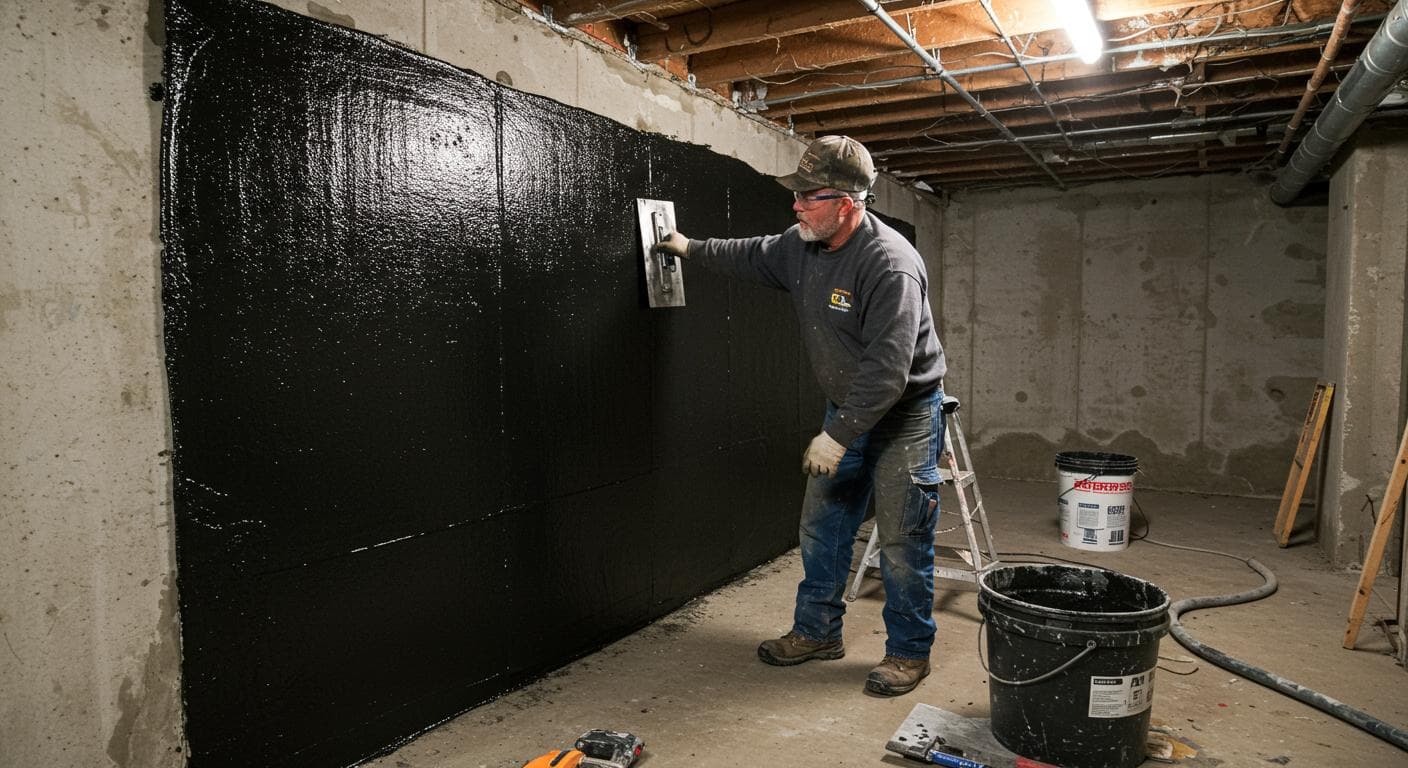
Foundation Repair Denver: Built on Ground That Moves
Denver does not have a big foundation trade by accident. Much of the Front Range sits on expansive clay, including bentonite, which swells with remarkable force when it takes on water and shrinks back as it dries. Houses here are designed around that, and when something goes wrong it is usually because water reached soil that should have stayed dry. Contractor Palace matches you with one independent local foundation contractor who starts with the cause rather than the crack.
What Foundation Repair Costs in Denver
Foundation work in Denver ranges from around a thousand dollars to seal and monitor a minor crack, through five figures for drainage correction and wall stabilization, to tens of thousands for structural piering. The reason the range is that wide is that Denver has two opposite problems wearing similar symptoms. Settlement is a house sinking into soil that has lost support, and the fix is usually piers taken down to stable material. Heave is the opposite: expansive clay swelling with moisture and pushing a slab or footing upward, which piering will not solve and can make worse. Telling them apart is the actual work, and it starts with where water goes. Most Denver foundation problems trace to drainage, so grading, downspouts and irrigation get looked at before anything structural is quoted. Get a diagnosis before you get a price.
What Denver Foundation Contractors Actually Do
The work splits into three families. Water management redirects it away from the foundation with regrading, extended downspouts, a French drain or an interior drain and sump. Structural repair stabilizes or lifts the foundation itself with piers, wall anchors or carbon fiber straps. Repair and finish work seals cracks, patches and gets the basement usable again.
Most Denver jobs start in the first family, because fixing water is cheaper than fixing what water did. If the work opens up a finished basement, a Denver general contractor can handle putting it back, and grading or hardscape changes often involve Denver landscaping at the same time.
Planning ranges for the Denver metro, not a quote. Access around the house, depth of the foundation and whether the cause is water or structure change the number completely, which is why diagnosis comes first.
Three Things That Make Denver Foundations Different
Heave and settlement look alike and need opposite fixes
In most of the country a foundation problem means the house is going down. On the Front Range it may be going up, because expansive clay swells when it gets wet and lifts whatever sits on it. Both produce cracks, sticking doors and uneven floors. Piering a heaving foundation does not fix it, and a contractor who sells the same solution to every house is not diagnosing. Ask directly which one you have and what evidence points there.
Water is almost always the actual cause
Expansive clay only moves when moisture changes. That makes downspouts dumping at the wall, ground sloping toward the house, and sprinkler zones running along the foundation the most common root causes in this metro. It is unglamorous and it is usually the cheapest real fix. A contractor who walks the outside of the house and looks at your irrigation before quoting structural work is doing the job properly.
Denver basements are built to move, within limits
Front Range basements are framed with floating walls precisely because the slab is expected to rise and fall a little. That means some cracking and movement is normal here and not every crack is an emergency. It also means a basement finished by someone who did not build floating walls can transmit slab movement straight into the structure above. If your basement was finished by a previous owner, that is worth checking before assuming the foundation is at fault.
Soil under the footing loses support and the foundation sinks into it. This is the one most of the country means by a foundation problem, and piers taken down to stable material are the usual answer.
Expansive clay takes on water, swells and pushes the foundation up. Piering does not fix it and can make it worse. The real fix is almost always upstream: downspouts, grading and sprinklers that are wetting the soil beside the house.
Why Use Contractor Palace for Foundation Work in Denver
Diagnosis before a price
This is the trade where a scary quote lands fastest. We match contractors who explain what is moving and why before they quote a fix.
One matched contractor
Describe the symptoms once. We match a single foundation contractor rather than sending your details to companies that all sell one solution.
Insurance matters most on the highest stakes work in the house
Ask the pro for proof of general liability insurance. Excavation next to a loaded foundation is not the place to find out otherwise.
Ask about the warranty
Ask the pro what warranty comes with the work and get it in writing before work starts.
Foundation work is one of thirty trades we cover here. See the rest on our Denver contractors hub, or read the national foundation and waterproofing service page.
Common Questions About Foundations in Denver
Are foundation cracks normal in Denver homes?
Some are. Thin vertical cracks from concrete curing are common and often harmless. The ones worth attention are horizontal cracks, stair step cracks through block, anything wider than a quarter inch, and any crack that is visibly growing. Movement that shows up as sticking doors and windows across the house at once matters more than one crack in isolation.
What is expansive soil and why does Denver have it?
It is clay that absorbs water into its structure and swells, then shrinks as it dries. Much of the Front Range sits on clay soils including bentonite, which is among the most expansive material a house can be built on. The swelling pressure is strong enough to lift a slab or a footing, which is why local construction uses techniques such as floating basement walls and deeper footings that are unnecessary elsewhere.
How do I prevent foundation problems in Denver?
Keep water away from the house and keep soil moisture as steady as you can. Extend downspouts well clear of the foundation, keep ground sloping away, avoid sprinkler zones that soak the perimeter, and do not let the soil beside the house swing between saturated and bone dry. Most of what a Denver foundation contractor ends up fixing started as one of those.
Worried about your Denver foundation? Let’s get you matched.
Post the problem free. Get matched with one independent Denver foundation contractor who diagnoses the cause before quoting a fix.
Get my free Denver foundation assessmentarrow_forward