
Fence installers near you
Professional fence installation for Ohio homes, wood fence, vinyl fence, chain link, ornamental iron. Ask the fence company about permits, utility marking and post depth. Get a free consultation today, and we're building the same fence installation network across Colorado's Front Range.
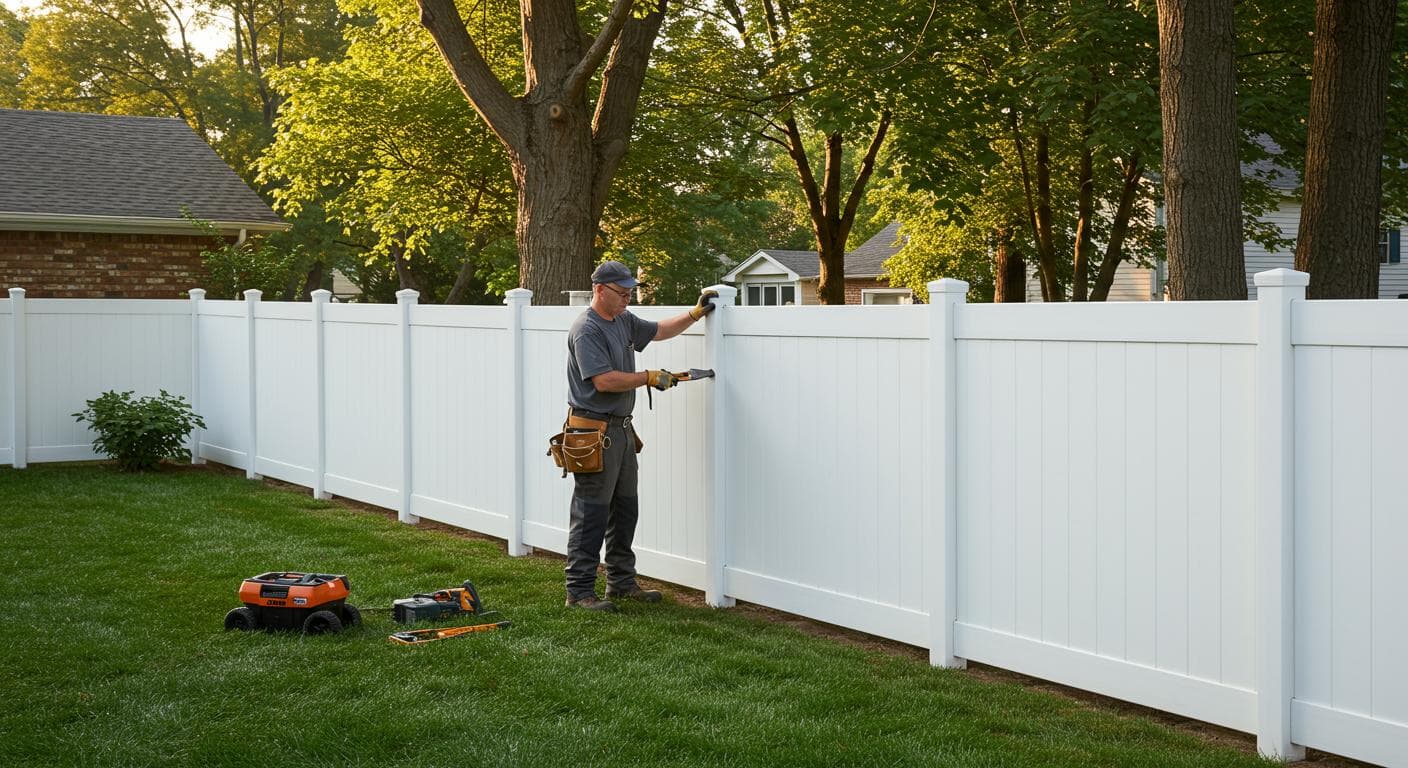
What is fence installation?
Fence installation in Ohio serves multiple purposes: privacy, pet and child containment, property delineation, security and aesthetics. Ask your fence company how it handles Ohio conditions: frost can heave posts that are set too shallow, and local rules can cover fence height, fence material and placement near property lines.
Fence types and material options popular in Ohio: wood privacy fence (most common residential choice, pressure-treated pine or cedar, install a fence for $18 to $40/linear foot), vinyl fence (low-maintenance, no painting, 20+ year lifespan, $25 to $55/linear foot), chain link (economical, durable, pet containment, $10 to $25/linear foot), ornamental aluminum or iron (decorative, front yards and pool areas, $30 to $60/linear foot) and split rail or rail fence (large lots, rural properties). The right fence type depends on your purpose, privacy fence for screening, chain link for budget containment, vinyl fence for long-term low-maintenance.
Call 811 before any post holes are dug so buried utilities are marked, since utility lines can be shallower than expected. Ask your pro to confirm this step. Property lines should be verified before you build a fence to prevent encroachment disputes, a common source of neighbor conflicts.
Permit rules vary by city and township. Ask your city whether your fence height and location need a permit, and ask the fence company who handles the application before the project begins.
The short guide to fence installation.
Fence Types for Ohio Homeowners
Ohio's climate and soil conditions affect every fencing material differently. Freeze-thaw cycles heave posts that aren't set deep enough. Spring moisture rots untreated wood within a few years. Choosing the right material for your yard requires understanding these regional factors.
Wood privacy fencing (typically cedar or pressure-treated pine) is the most common residential choice in Ohio. Cedar resists rot and insects naturally but requires staining or sealing every 2 to 3 years to maintain appearance and longevity in Ohio's wet springs. Pressure-treated pine is less expensive and handles moisture well but accepts stain poorly for the first year after install.
Vinyl fencing requires zero painting and resists Ohio's freeze-thaw cycles well when posts are set at the proper depth with concrete. The trade-off is cost: vinyl runs 30 to 50% more than wood initially. Over a 20-year lifespan, the maintenance savings typically offset the higher upfront cost.
Aluminum and steel ornamental fencing work well around pools and property perimeters where you want a defined boundary without blocking the view. Aluminum won't rust, making it the better choice near Ohio's snowmelt-season runoff. Steel is heavier duty but requires powder coating to prevent rust.
Chain link is the most affordable perimeter option. It's practical for keeping pets in, defining property lines and securing utility areas. Slat inserts and privacy screening can be added for partial privacy.
Installation Cost Ranges in Ohio
Wood privacy fence (6 ft cedar, installed): $20 to $35 per linear foot. Vinyl fence (6 ft privacy, installed): $30 to $50 per linear foot. Aluminum ornamental fence (4 ft, installed): $25 to $45 per linear foot. Chain link (4 ft, galvanized, installed): $15 to $25 per linear foot. Post-and-rail wood fence (2 rail): $10 to $18 per linear foot.
Gates add $200 to $800 each depending on material and width. Double-drive gates for vehicles add $600 to $2,000.
Permits and Property Lines
Permit rules vary by city and township, and some jurisdictions restrict fence height, material or placement near road right-of-ways. Ask your city whether your fence needs a permit. Before installation, verify your property line with a survey or plat map. Ask your contractor to confirm setback requirements in your specific city or township before setting the first post.
What to Ask Your Contractor
Ask specifically how deep posts will be set, why that depth and whether concrete will be used. Ask whether post holes will be augered to a specific diameter based on post size. Ask what the contractor will put in writing about the work.
Colorado Fence Installation: Wind Loads, Expansive Soil and HOA Requirements
Colorado's Front Range presents fence installers with wind conditions that Ohio rarely sees. Foothills communities near Boulder, Morrison and Conifer regularly experience gusts exceeding 100 mph during Chinook events, and even on the plains east of Denver, sustained winds in the 40 to 60 mph range are common in spring and fall. These loads require closer post spacing than Ohio standards, typically 6 feet on center rather than 8, and deeper posts in solid concrete footings rather than compacted backfill. Cedar and redwood are the preferred wood fence materials in Colorado because they resist the combination of intense UV exposure and low humidity better than treated pine, which can dry-check badly at altitude.
Expansive clay soils on the Front Range mean fence posts that would stay plumb for decades in Ohio can shift and tilt over a few seasons if footings are too shallow or too narrow to resist lateral soil pressure during wet cycles. Ask any Colorado installer how deep the posts go and why, since some installers in the Denver metro go deeper to anchor through the expansive layer.
Colorado suburban communities, particularly those built after 2000 in Douglas, Arapahoe and Jefferson counties, have active HOAs with strict fence style, height and material requirements. Stucco-finish concrete block walls are common in Front Range HOA communities where wood fencing is restricted. Colorado coverage is still being built.
Fence Installation documented.


Questions worth asking.
How to hire a fence company near you.
Describe your fence project, fence type, approximate linear footage, gate requirements and your Ohio city
Ask who requests the 811 utility locate, reviews property lines and confirms local permit requirements
Layout marked with stakes for your approval, ensure your fence is positioned correctly before any digging
Post holes dug and fence posts set, usually in concrete. Ask about depth and how long the concrete should cure
Rails, pickets or panels installed, gates hung and adjusted, ensure your fence is plumb and level throughout
Fence Company cost near you.
Most fence installation prices swing with size, access and materials. Treat the table as a starting point for the conversation.
* Ranges are US averages and change with local labor and material costs.
What a good pro brings.
Ask who requests the 811 utility marking before digging
Ask how deep the fence posts are set and why
Ask about a property line review before installation to avoid fence relocation and neighbor disputes
All fence types and material options from one local fence company, wood, vinyl, chain link, ornamental iron
Ask who handles permits and local fence regulations for your city
From request to quote.
Tell us what you need
Tell us about your fence installation project: scope, urgency and your zip code.
We send it to a local pro
One independent local pro gets your request. You are not handed a directory or a bidding contest.
Review the quote
Read the quote, ask questions, then choose whether to go ahead. Payment terms are agreed with your pro.
How to choose the best fence installation company.
Hire a fence installer who carries general contractor insurance and confirms 811 utility marking before any digging. The most important installation question: 'How deep will the fence posts be set?' Ask why that depth was chosen for your fence height and soil, and get it in writing.
For wood fence, ask what lumber is used, ask whether the posts are rated for ground contact, since untreated wood in the ground can rot. For vinyl fence, ask about the fence products brand, ask what the manufacturer offers in writing.
Get quotes that specify fence post size, post spacing and whether posts are set in concrete. Ask for references from recent fence projects before signing.
One pro, not twenty. We send your fence installation request to a single independent local pro instead of a directory.
Signs you need this service.
Property with young children or pets and no fence, safety containment need for residential and commercial properties
Existing fence leaning, rotting at the post base or with multiple broken sections, time to install fences fresh
New dog that needs a secure yard, fence height and material matter for containment
Privacy from neighbors or a busy Ohio street desired, new fence dramatically improves daily living
Pool installation, ask your city what fencing rules apply to pools
Property line dispute with neighbor, professional fence installation on the correct property lines is documentation
HOA community with fence guidelines, check your property documents before your fence install
Wood, vinyl, chain link and aluminum prices per linear foot, plus Colorado rocky-soil costs and permit rules. See fence installation cost
Fence Installation Services by City
Choose your city for local pricing, availability and independent local pros near you.
Related pages
Your privacy is protected
We never expose contractor names, business names or direct contact info on our platform. Your phone number and the pro's stay between us until the job is assigned, then you are connected directly.
How Contractor Palace works for you.
Fence Company FAQ.
Do I need a permit to install a fence in Ohio?
Permit rules vary by city and township. Ask your city whether your fence height and location need a permit, and ask the fence company who handles the application and whether that is included in the installation cost.
How deep should fence posts be in Ohio?
Ask the installer how deep the posts go and why. Frost can heave posts that are set too shallow, so a clear answer on post depth, and whether the posts go in concrete, is worth getting in writing.
How long does fence installation take?
A 150-linear-foot privacy fence typically takes 1-2 days. Larger fence projects or ornamental gates add time. Call 811 before any post holes are dug so buried utilities are marked, and ask your pro to plan for that wait.
What fence type is best for Ohio homeowners?
Vinyl fence is the most low-maintenance option, no painting, no rot, 20+ year lifespan. Wood fence is the most affordable privacy option and looks great stained. Chain link is the most economical for pet containment. Ornamental aluminum or iron works best for decorative front yards and pool enclosures.