
What Is Virginia Beach Roofing: DPOR Licensing Context and Coastal Independent City Rules
Virginia Beach is Virginia's most populous city with approximately 460,000 residents and a geographic footprint that spans from the Atlantic Ocean shoreline west through suburban neighborhoods to the rural Pungo district on the far western edge of the city. As an independent city in Virginia, Virginia Beach is not part of any county, which means all building permits, inspections and contractor licensing inquiries run through City of Virginia Beach agencies rather than a county government. That distinction matters when you are hiring a roofing contractor, because the permit authority, inspection scheduling and code enforcement all flow through a single municipal system that experienced local roofing contractors navigate routinely.
Virginia does not issue a specific state roofing license. Instead, the Virginia Department of Professional and Occupational Regulation, known as DPOR, requires contractors to hold a Class A, Class B or Class C contractor license based on the dollar value of the project. Class A licenses cover contracts over $120,000, Class B covers contracts between $10,000 and $120,000 and Class C covers contracts up to $10,000. Most residential roof replacements in Virginia Beach fall in the Class B range. Before signing any contract for roofing work, Virginia Beach homeowners should verify the contractor's DPOR license number and class at the DPOR online license lookup. A contractor performing Class B value work under a Class C license is in violation of Virginia law and that violation can affect your insurance coverage and your ability to pursue a legal remedy if something goes wrong.
Beyond the DPOR license, the most important credential to verify in the Virginia Beach roofing market is active general liability insurance and workers compensation coverage. Roofing is one of the highest-risk trades for worker injuries, and an uninsured roofing crew working on your Virginia Beach home exposes you to personal liability for any injury that occurs on your property. Contractor Palace pre-verifies DPOR license status and insurance credentials for every Virginia Beach roofer in our network before they are eligible to receive a match.
Virginia DPOR Licensing: What Every Virginia Beach Homeowner Must Verify
Virginia does not issue a standalone roofing license. Roofing contractors must hold a DPOR Class A, B or C contractor license based on project value. Most Virginia Beach roof replacements require a Class B license. Verify your contractor's DPOR license number at the DPOR online lookup before signing any contract. An unlicensed contractor performing Class B work violates Virginia law and puts your insurance coverage and legal remedies at risk. Always confirm the license class matches the dollar value of your project.
Coastal Conditions and Virginia Beach Roofs: Salt Air Corrosion, Nor'easters and the Atlantic Storm Track
Virginia Beach's location on the Atlantic Ocean and Chesapeake Bay creates a marine environment that attacks roofing systems in ways that inland Virginia homeowners never experience. Salt air is the most persistent threat. Airborne salt particles from ocean and bay breezes deposit on every exposed surface of a roofing assembly, accelerating corrosion of metal flashing at chimneys, skylights and pipe penetrations, attacking galvanized steel gutters and gutter spikes and breaking down the zinc-based granule coatings that asphalt shingles use for UV protection. A shingle that would last 30 years in a Richmond or Roanoke installation may deliver only 18 to 22 years on a Virginia Beach home without the corrosion-resistant material choices that coastal installations demand.
Marine humidity compounds the salt air problem by creating ideal conditions for algae and moss growth across all roofing surfaces. The dark staining caused by Gloeocapsa Magma algae is visible on north and west-facing slopes throughout Virginia Beach neighborhoods within five to eight years of a new shingle installation if non-algae-resistant products are used. Algae staining is not just cosmetic: the biological growth retains moisture on the shingle surface, accelerating granule loss and degrading the mat layer beneath. Moss growth creates an even more serious problem by lifting shingle edges and creating entry points for wind-driven rain infiltration. Virginia Beach homeowners should specify algae-resistant shingles with copper granule technology as a baseline, not an optional upgrade, for every new residential installation.
Nor'easters represent the most frequent severe weather threat to Virginia Beach roofing systems. These Atlantic coast storm systems develop along the southeastern US coast and track northeast, delivering sustained winds of 40 to 60 miles per hour with gusts exceeding 70 mph in severe events. Nor'easters differ from typical thunderstorm wind events because they persist for 12 to 36 hours rather than passing quickly. That sustained wind duration means roofing systems face extended loading cycles that expose any installation weakness including loose flashing, inadequate fastener patterns and lifted shingle edges created by granule loss and weathering. Virginia Beach is also within the Atlantic hurricane threat corridor, and a direct or near-miss hurricane strike delivers wind speeds that challenge even well-maintained coastal roofing assemblies. The city's FEMA wind zone designation affects the roofing specification requirements contractors must follow for new installations and replacements.
Types of Roofing for Virginia Beach Homes and Commercial Properties
Algae-resistant architectural shingles
Algae-resistant architectural shingles with copper granule technology are the correct baseline residential roofing product for Virginia Beach. Owens Corning and GAF both manufacture algae-resistant dimensional shingles designed specifically for high-humidity coastal markets. The copper granules in the shingle surface inhibit Gloeocapsa Magma algae growth that causes the dark streaking visible on so many Virginia Beach roofs within a few years of installation. These products carry 30-year manufacturer warranties and significantly better wind resistance than older 3-tab shingles. Algae-resistant products from both manufacturers are widely stocked by Virginia Beach area distributors and should be the default choice for any residential replacement in this market.
Class 4 impact-resistant shingles
Class 4 impact-resistant shingles carry UL 2218 Class 4 certification, meaning they withstand simulated two-inch hail impact at terminal velocity. Virginia Beach is not a primary hail market, but Class 4 products provide meaningful wind resistance improvement over standard architectural shingles. The reinforced mat construction that gives these products impact resistance also makes shingle edges less likely to lift under the sustained nor'easter wind loading that Virginia Beach roofs experience annually. Some Virginia homeowner insurance carriers offer premium discounts for Class 4 certified installations. The upgrade cost over standard algae-resistant architectural shingles is typically $1,500 to $3,500 on a Virginia Beach home and deserves consideration from any homeowner in a wind-exposed coastal location.
Standing seam metal roofing, corrosion-resistant
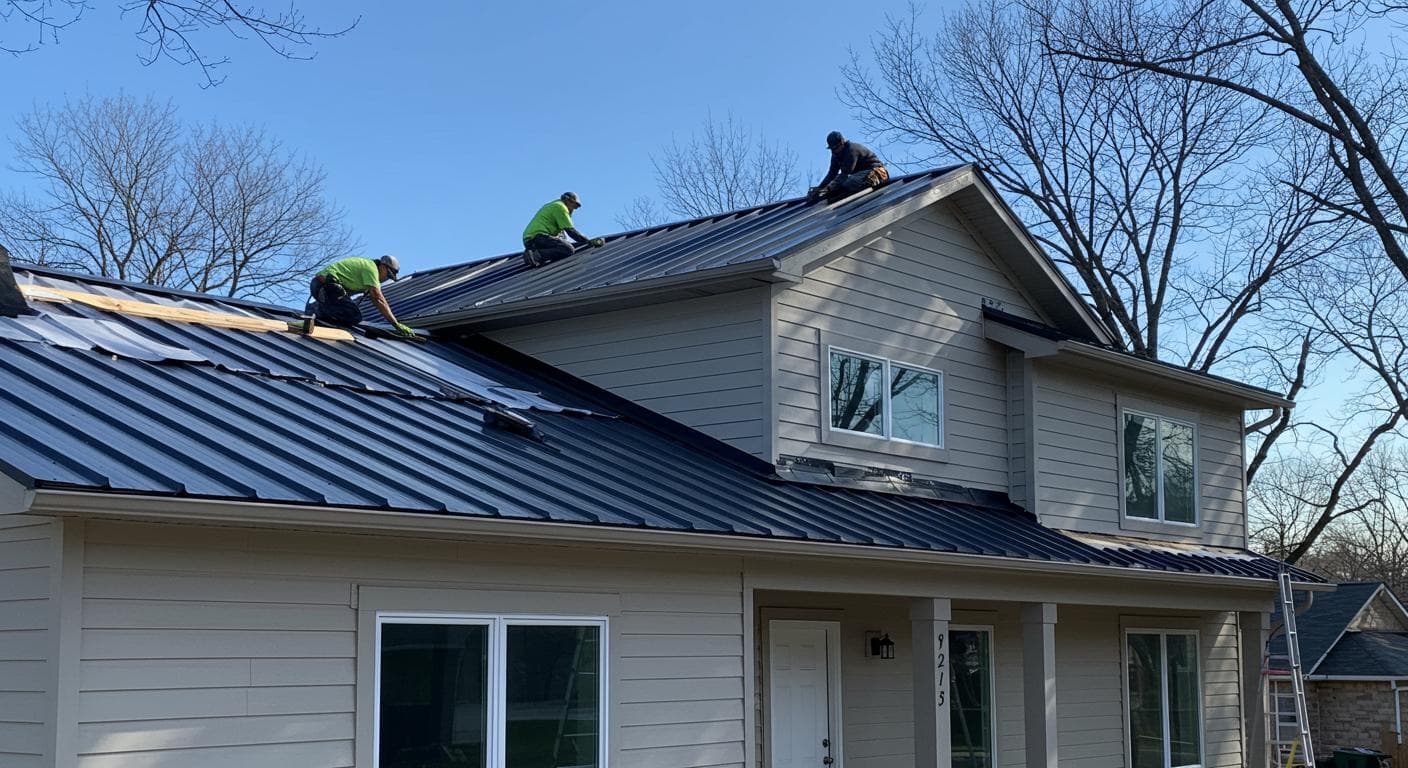
Standing seam metal roofing is the premium long-term solution for Virginia Beach homes in salt air environments. The critical material selection issue in coastal Virginia is metal type: standard Galvalume or painted steel roofing panels will corrode in the Virginia Beach marine environment more quickly than inland installations. Aluminum standing seam roofing offers inherent corrosion resistance that steel products cannot match in salt air conditions. Stainless or hot-dip galvanized fasteners and copper or stainless flashing components complete a metal installation that will perform for 40 to 70 years in the Virginia Beach coastal environment without the corrosion failures that inferior material choices produce.
TPO flat membrane for commercial roofing
Thermoplastic polyolefin membrane is the standard flat roofing product for Virginia Beach commercial buildings, multi-unit residential structures and homes with low-slope addition roofs. TPO provides seamless waterproofing that resists wind-driven rain on shallow pitches, holds up against UV exposure and is fully compatible with rooftop HVAC equipment that is common on Virginia Beach commercial buildings. The Virginia Beach oceanfront hotel and commercial corridor generates consistent demand for TPO installation and large-scale membrane replacement, and established commercial roofing contractors in the area maintain the equipment and crew size to handle these projects at scale.
Corrosion-resistant gutters and flashing
Gutter and flashing specification is a roofing decision in Virginia Beach, not an afterthought. Standard galvanized steel gutters and galvanized flashing corrode rapidly in the salt air marine environment and require replacement far sooner than the roofing system they are meant to protect. Aluminum gutters with stainless steel or aluminum gutter screws replacing older spike-and-ferrule fasteners are the minimum coastal-grade specification for Virginia Beach residential installations. Copper flashing at chimneys and step-flash locations is the premium choice and will outlast the roofing system itself without corrosion. Any Virginia Beach roofing contractor who specifies standard galvanized components without discussing corrosion resistance is not accounting for the coastal environment.
How to Choose a Roofing Contractor in Virginia Beach Virginia
Verify the Virginia DPOR license class and project value match
Every roofing contractor performing work in Virginia Beach must hold a current DPOR license at the class level appropriate for the dollar value of your project. Class B covers contracts between $10,000 and $120,000, which is the range for most residential roof replacements. Verify the contractor's license at the DPOR online license lookup before signing anything. Check that the license is current, that the class matches your project value and that the name on the license matches the entity you are contracting with. A contractor who cannot provide a DPOR license number or whose license class does not match the work scope is a contractor to walk away from regardless of their price.
Require corrosion-resistant material specifications in writing
Before accepting any written estimate from a Virginia Beach roofing contractor, confirm that the proposal specifies algae-resistant shingles by manufacturer and model number, aluminum or stainless gutters rather than galvanized steel, and corrosion-resistant flashing at all penetrations. A contractor who does not address coastal material selection in the written scope is either unfamiliar with Virginia Beach conditions or is cutting costs with interior-grade materials that will fail faster in the marine environment. Get the material specification in writing so you can compare it across multiple bids on an apples-to-apples basis.
Ask specifically about wind zone compliance and fastener patterns
Virginia Beach is in a FEMA-designated coastal wind zone that imposes specific roofing fastener and underlayment requirements above the standard Virginia building code baseline. A knowledgeable Virginia Beach roofing contractor will reference wind zone compliance in the proposal without being asked. If you have to prompt a contractor about wind zone requirements, ask specifically how many fasteners per shingle their installation uses and whether their underlayment specification meets the coastal wind zone requirement. The difference between a four-nail and a six-nail fastening pattern is not visible after installation but it is the difference between a roof that survives a nor'easter and one that does not.
Watch for storm chasers after nor'easters and named storms
Virginia Beach attracts out-of-area roofing contractors following significant nor'easter events and any named storm that tracks along the Atlantic coast. These storm chasers canvas neighborhoods with free inspections and quick start promises. Some are legitimate businesses expanding temporarily into the market. Others have no permanent Virginia Beach presence, no DPOR license history in Virginia and no warranty fulfillment capability once they leave the area. Verify that any contractor you consider has a permanent Virginia Beach business address, a Google Business profile that predates the most recent storm event and references from local Virginia Beach projects completed in non-storm years. The urgency they create around quick starts is designed to prevent you from doing that verification.
How Contractor Palace Matches You with a Virginia Beach Roofer
Contractor Palace connects Virginia Beach homeowners with verified roofing contractors through a structured matching process that removes the guesswork from hiring. You describe your roofing project, storm damage or repair need through our booking form. Our platform matches you with a verified Virginia Beach roofing contractor from our screened local network based on your location, the type of work required and contractor availability. Your matched roofer contacts you directly to schedule the inspection and written estimate. All contractors in our Virginia Beach network have been verified for DPOR license status and active insurance coverage before they are eligible to receive a match.
Step 1: Describe your project
Tell us whether you have storm damage from a nor'easter or named storm, an aging roof with salt air granule loss, an active leak, a commercial flat roof situation or a full residential replacement. The more detail you provide about your Virginia Beach property and the specific roofing conditions you are dealing with, the more precisely we can match you with the right contractor for your situation and budget.
Step 2: Get matched with a verified roofer
Our platform assigns you a Virginia Beach roofing contractor from our verified network. All matched contractors have passed credential verification including DPOR license status confirmation, insurance documentation review, local project history evaluation and customer feedback screening. No contractor information is visible until your job details are confirmed, ensuring our network roofers work only with committed homeowners.
Step 3: Inspect, document and book
Your matched Virginia Beach roofer schedules an on-site inspection, documents all damage or replacement conditions with photographs and a written scope that includes coastal-grade material specifications and provides a firm estimate. For storm damage situations involving a nor'easter or hurricane, the contractor can be present during the insurance adjuster inspection to advocate for the full replacement scope when the coastal damage documentation supports it.
Roofing Costs in Virginia Beach VA: What to Budget for a Coastal Installation
Virginia Beach roofing costs reflect the Hampton Roads labor market and the coastal-grade material specifications that the salt air marine environment demands. Algae-resistant shingles, corrosion-resistant gutters and aluminum or copper flashing are standard inclusions in a correctly specified Virginia Beach roofing project, not optional upgrades. Homeowners who receive quotes significantly below the ranges below should ask specifically what shingle product is being used, whether it carries algae-resistant copper granule technology and what metal specification is being used for gutters and flashing.
Frequently Asked Questions
Does Virginia Beach require a license for roofing contractors?
Virginia does not issue a specific state roofing license, but roofing contractors performing work in Virginia Beach must hold a current DPOR contractor license at the class level appropriate for the project value. Class B covers contracts between $10,000 and $120,000, which applies to most residential roof replacements. Verify any contractor's DPOR license at the DPOR online lookup before signing a contract. Confirm the license is current, that the class matches your project dollar value and that the name on the license matches the entity you are contracting with. A contractor who cannot provide a valid DPOR license number is operating illegally in Virginia and you have limited legal recourse if the work is defective.
What shingles are recommended for Virginia Beach homes?
Algae-resistant architectural shingles with copper granule technology are the correct baseline for Virginia Beach homes. The marine humidity and warm temperatures in coastal Virginia create ideal conditions for Gloeocapsa Magma algae growth, which causes dark streaking on roofs within five to eight years if non-resistant products are used. Owens Corning Duration with SureNail Technology and GAF Timberline HDZ with StainGuard Plus are both strong choices for Virginia Beach residential installations. Both manufacturers offer these products in wind-resistance ratings appropriate for the Virginia Beach wind zone. For maximum longevity in salt air conditions, pair algae-resistant shingles with aluminum gutters and corrosion-resistant flashing components.
How does salt air damage a Virginia Beach roof?
Salt air deposits microscopic salt crystals on every exposed roofing surface during each wind event off the Atlantic Ocean and Chesapeake Bay. Over time these deposits accelerate granule loss from asphalt shingles by attacking the zinc-based protective coating on the granule surface, corrode galvanized metal flashing at chimneys and penetrations, attack standard galvanized steel gutters and degrade exposed fastener heads in older roofing assemblies. The combined effect shortens the service life of a standard roofing installation by eight to twelve years compared to an equivalent installation in an inland Virginia location. Specifying algae-resistant shingles, aluminum gutters and copper or stainless flashing at installation is the correct response to the salt air environment rather than replacing corroded components on a reactive basis.
Does Virginia Beach require a roofing permit for a full replacement?
Yes. The City of Virginia Beach requires a building permit for roofing replacements. Because Virginia Beach is an independent city, all permit applications, inspections and certificate of occupancy records are managed through the City of Virginia Beach Department of Planning and Community Development rather than a county agency. The permit process triggers a scheduled inspection that verifies the decking condition, underlayment specification and wind zone fastening pattern before the finished shingle surface is applied. A roofing contractor who suggests skipping the Virginia Beach permit is bypassing the inspection backstop that protects your installation quality, your homeowner insurance coverage and your home's resale disclosure obligations.
How much does a roof replacement cost in Virginia Beach VA?
A standard algae-resistant architectural shingle roof replacement for a typical Virginia Beach home runs $9,000 to $18,000 including materials, labor, coastal-grade underlayment, a city building permit and disposal. Upgrading to Class 4 impact-resistant algae-resistant shingles adds $2,000 to $4,000. Aluminum standing seam metal roofing appropriate for the salt air environment runs $18,000 to $38,000 and is the strongest long-term investment for coastal Virginia. Flat TPO membrane replacement for a commercial property or low-slope addition runs $7,000 to $16,000. Copper flashing upgrades at chimneys and penetrations add $800 to $2,800 and outlast the rest of the roofing assembly without corrosion.
Need a roofing contractor in Virginia Beach? Get matched free.
Describe your roofing project or storm damage. We match you with a verified Virginia Beach roofer who understands coastal salt air conditions, wind zone specifications, DPOR licensing requirements and nor'easter insurance claims for Hampton Roads homeowners.
Get my free Virginia Beach roofing quotearrow_forward