
Carpet Installer near me. Carpet Installation, local.
Professional carpet installation for Ohio homes. Average cost to install carpet is $3.50 to $7 per square foot including pad, tack strips and labor. No hidden fees. New carpet for bedrooms, staircase and basements, get a free quote, and we're building the same installer network across Colorado's Front Range.
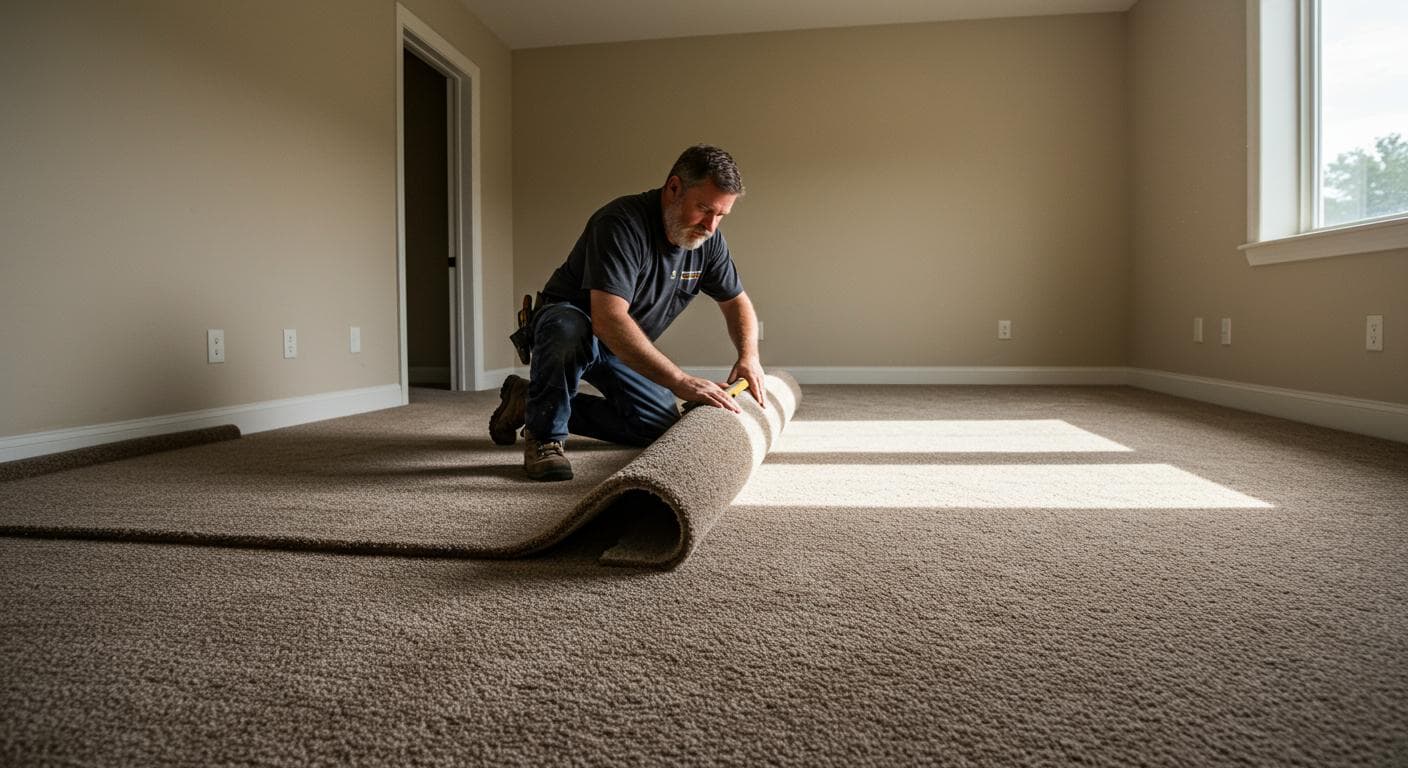
What is carpet installation?
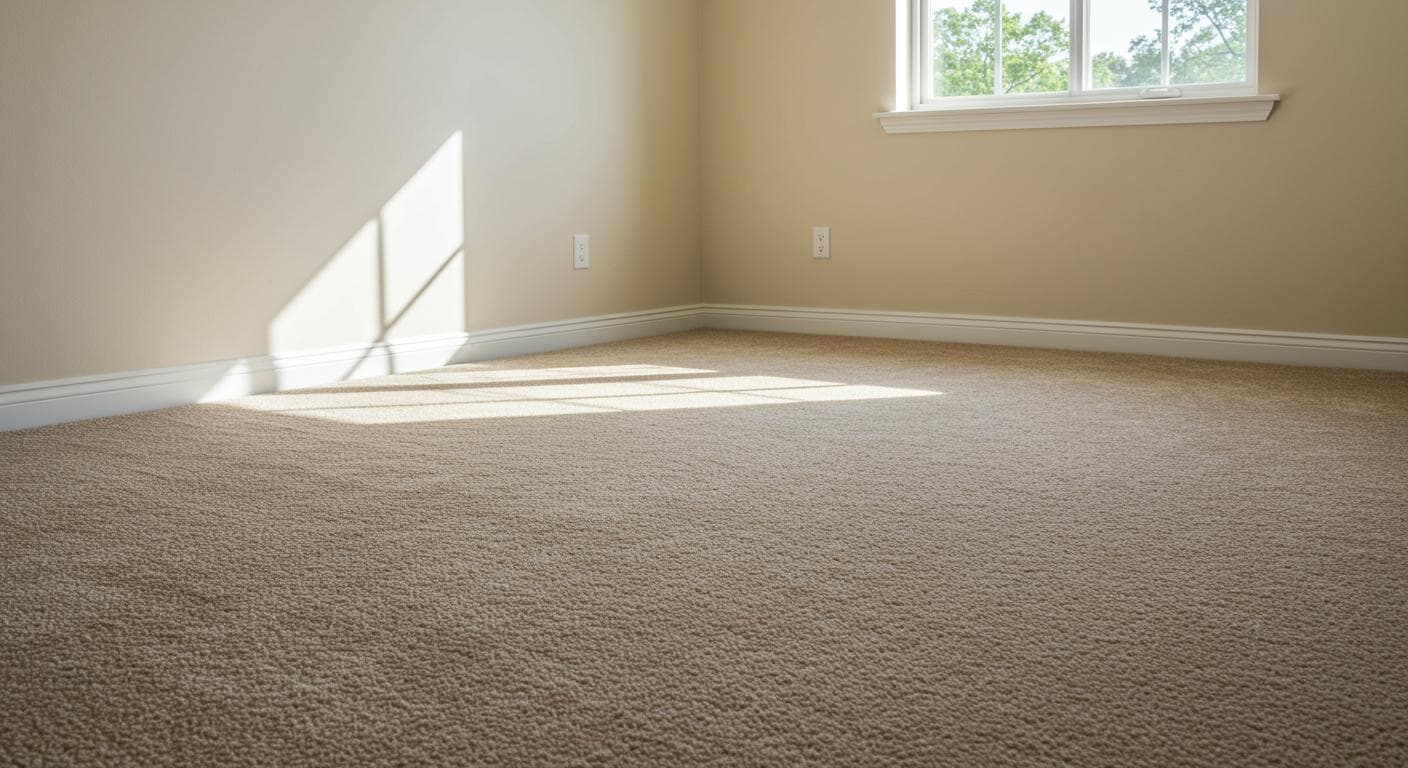
Carpet installation is the process of fitting and securing new carpet over pad and tack strips in your Ohio home, covering floors in bedrooms, basements, stairs and living areas with soft, warm flooring. Understanding carpet installation cost helps homeowners plan their home improvement budget: in 2026, the average cost to install carpet in Ohio runs $3.50 to $7 per square foot including carpet per square foot, pad and labor cost, with total cost varying by room size and type of carpet selected.
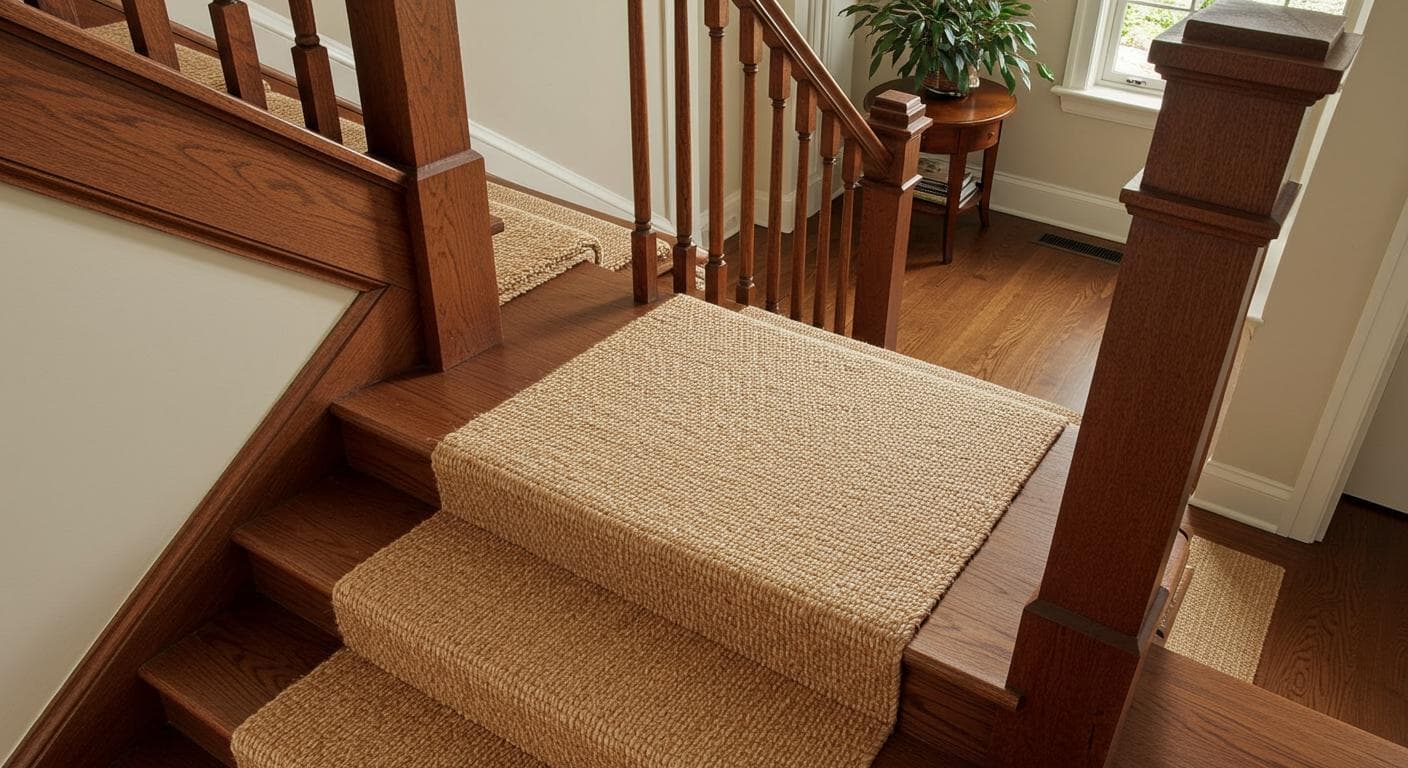
Carpet installation services include full room installation with pad, tack strip installation or repair, stair carpet (both waterfall and wrapped methods), carpet replacement where existing carpet is removed and carpet tiles for commercial and basement applications. Removing old carpeting and disposing of it is always included in our quotes, no need to haul it to the curb yourself. Carpet recycling programs are available through select installers for old carpet removal.
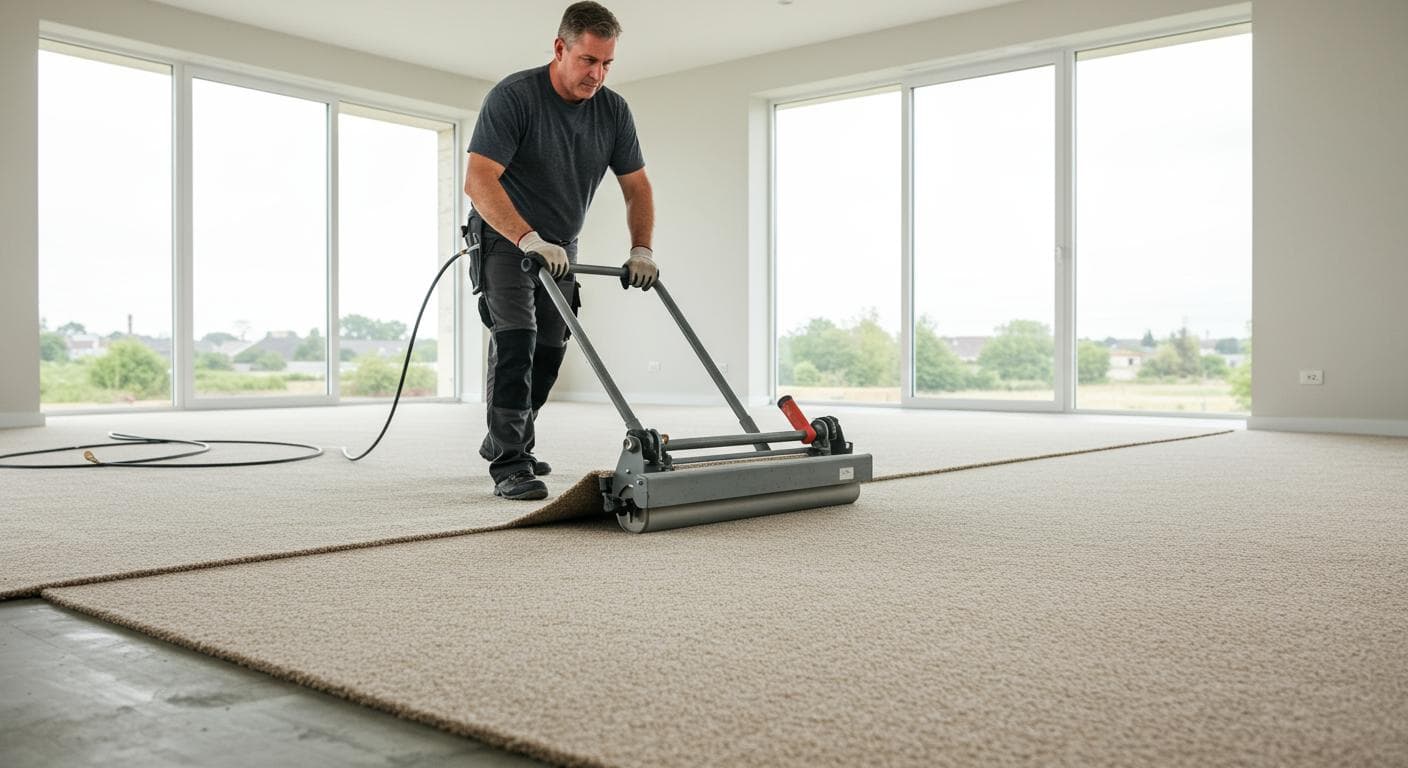
The most critical technical detail in carpet installation is power stretching. A professional installer uses a power stretcher to tension carpet properly wall-to-wall, not just a knee kicker. Improperly stretched carpet ripples and buckles within 2 to 5 years, creating trip hazards and requiring carpet replacement early. Subfloor preparation is equally important: our pros inspect and repair squeaks, level high spots and ensure the subfloor is clean before laying pad.
Choosing the right type of carpet fiber is the first decision every Ohio homeowner faces. Nylon is the most popular and durable choice, handling high-traffic areas like hallways and family rooms exceptionally well. Polyester offers excellent stain resistance at a lower price and is ideal for low-traffic areas. Triexta (a newer synthetic fiber sold under brands like Mohawk SmartStrand) delivers nylon-level durability with polyester-level softness and outstanding stain resistance. Olefin (polypropylene) is budget-friendly and moisture-resistant, making it popular for basements, though it mats more quickly. Wool carpets are the premium natural fiber option, beautiful, durable and naturally soil-resistant, but at 2 to 3 times the cost of synthetic carpet.
Broadloom (wall-to-wall) carpet versus carpet tile is another key choice. Broadloom is the traditional choice for bedrooms and living areas, seamless, soft and cost-effective. Carpet tile (modular squares) is better for commercial spaces and finished basements because individual damaged tiles can be replaced without replacing the whole floor.
Pad selection, the underlayment beneath the carpet, dramatically affects both feel underfoot and carpet lifespan. Carpet padding acts as a shock absorber that protects fiber roots with every footstep. Standard 6 lb rebond pad is the minimum for most Ohio applications; 8 lb premium pad extends carpet life by 20 to 30% and noticeably improves softness. Our Ohio carpet installers source from Shaw, Mohawk and Karastan, giving access to quality carpet types at contractor pricing. Stainmaster is another trusted brand for stain-resistant carpet systems popular with Ohio families.
What homeowners should know.
Planning Your Carpet Installation Budget
Start with accurate measurements. Room size drives every line item in the quote. A standard 12x12 bedroom (144 sq ft) typically runs $500 to $1,000 total including carpet, pad and labor. Larger rooms with complex seaming cost more per sq ft due to additional labor and material waste.
What Affects the Total Cost
Ohio homeowners often find that low advertised prices exclude pad, removing old carpet, furniture moving and transition strips. Our pros quote the full scope upfront: carpet, pad, removal and all labor. For premium nylon in large or complex installations, expect the high end of Ohio market pricing. No hidden fees.
Carpet Types: Nylon, Polyester and Carpet Tile
Synthetic carpet dominates Ohio installs because it outperforms natural fibers on stain resistance, durability and cost. Nylon leads in high-traffic areas. Polyester and triexta are excellent for bedrooms where softness matters more than abrasion resistance. Carpet tiles work well in finished basements and commercial spaces where replacing a single damaged tile beats re-doing the entire floor. Both broadloom and tiles are available through our verified Ohio installers at contractor pricing.
2026 Cost Ranges for Ohio
Full installation including materials and labor runs $3.50 to $7.00 per sq ft in Ohio, consistent with what our platform sees across Columbus, Cleveland and Cincinnati jobs. A 12x12 bedroom comes in at $500 to $1,000. A 3-bedroom home with a staircase averages $2,500 to $5,000 depending on carpet grade and subfloor condition.
Labor alone runs $1.00 to $2.00 per sq ft and covers removal of old carpet, surface prep, pad installation, carpet laying, seaming, stretching and all transitions. The best installers use a power stretcher on every job, not just a knee kicker, because proper tension prevents rippling within the first year.
Pad Selection Matters More Than Most Homeowners Know
Carpet pad is the most overlooked component. A 6-pound, 7/16-inch pad is the minimum for comfort and warranty compliance. An 8-pound pad extends the carpet's life by absorbing impact before it reaches the fiber roots. Memory foam pads feel luxurious underfoot but run warmer, which matters in sun-exposed rooms. Your installer should specify pad weight and thickness in the written quote; a quote that only says "pad included" without specs is incomplete.
Subfloor Preparation and Concrete Slabs
Carpet over concrete requires checking for moisture before installation. A simple calcium chloride test run for 24 hours tells you whether vapor transmission is within the acceptable range for carpet adhesive or pad. Failing this test doesn't mean you can't use carpet, but it does mean the right pad and moisture barrier need to be specified. Ohio basements fail this test regularly, especially in spring. A contractor who skips this step is setting you up for a mold problem in 18 months.
For wood subfloors, squeaks should be addressed before installation. Driving ring-shank nails into squeaky boards takes 15 minutes and costs nothing extra at the time of installation. After carpet is down, the same repair requires pulling up the carpet, fixing the floor and reinstalling.
### What Drives Carpet Installation Cost in Ohio
Carpet pricing depends on four separate cost layers that most homeowners don't realize are distinct line items. The carpet itself is the first layer: a basic loop-pile Berber runs 80 cents to 2 dollars per square foot, a mid-grade cut-pile plush runs 2 to 4 dollars and a premium frieze or high-density nylon runs 4 to 8 dollars per square foot. Materials like wool or patterned Saxony can push toward 12 to 15 dollars per square foot.
The second layer is padding. Do not let a contractor skip this conversation. Standard rebond foam at 6 to 8 pounds density costs 30 to 60 cents per square foot and is fine for low-traffic bedrooms. High-traffic hallways and stairs warrant an 8-pound foam or a flat rubber pad at 80 cents to 1.40 dollars per square foot. Memory foam padding feels luxurious underfoot but compresses quickly under heavy furniture. Moisture-barrier padding is worth the upgrade in basements across Toledo and Cincinnati where humidity causes mold under standard foam.
Installation labor adds 50 cents to 1.50 dollars per square foot in most Ohio metro areas. Stairs are priced separately, typically 3 to 7 dollars per step, because each tread and riser must be cut and stretched individually.
The fourth layer is removal and disposal of old carpet. Expect 25 to 50 cents per square foot for tear-out or a flat fee of 75 to 150 dollars for a typical room. Some installers waive it to win the job so always confirm.
### Cut-Pile vs Loop-Pile: Which Carpet Type Is Right for Your Room
Cut-pile carpet has fibers that are cut at the tip, creating a soft, upright texture. Subcategories include plush (formal, shows footprints), textured plush (casual, hides traffic patterns), frieze (twisted tips that are very durable) and Saxony (dense and smooth, formal rooms only). Cut-pile is the better choice for bedrooms and formal living rooms where foot traffic is moderate.
Loop-pile carpet leaves fibers looped, creating a harder-wearing surface. Berber is the most common loop-pile and handles high-traffic areas well. Level-loop Berber holds up in hallways and finished basements across Columbus and Cleveland without matting down. The tradeoff is that loops can snag on pet claws, so households with dogs or cats should lean toward a cut-pile with tight twist or a short-pile textured option.
Cut-and-loop carpets mix both techniques to create sculptural patterns. They hide soil well but can be harder to clean around the pattern edges.
For stairs, a tight-twist cut-pile or a 100 percent nylon Berber performs best. The stretch-in installation method is preferred over glue-down for stairs because it allows future removal without damaging the subfloor.
### The Installation Process Step by Step
A professional carpet installation follows a specific sequence that affects how long the carpet looks new. Understanding it helps you evaluate whether a crew is cutting corners.
First the installer measures the room, accounting for pattern repeat if applicable and planning seam placement to minimize visibility. Seams should never land in high-traffic paths or under doorways.
Tack strips are nailed 3/8 of an inch from the baseboard around the perimeter. On a concrete subfloor, like in a Columbus basement, they are glued or shot in with a powder-actuated fastener. Missing or loose tack strips cause the carpet to 'bubble' within a year.
Padding is cut to fit and stapled or glued down, seams taped. Padding seams should be offset from carpet seams.
The carpet is unrolled, rough-cut several inches oversize and allowed to acclimate to room temperature for at least 30 minutes. In winter, Ohio cold can make carpet brittle so a temperature of at least 65 degrees in the room matters.
Seams are hot-glued using a seaming iron and seam tape. The iron must be moved at the correct pace or the adhesive is either underactivated (seam opens later) or overactivated (backing burns).
The carpet is then power-stretched from wall to wall using a knee kicker and a power stretcher. Power stretching is the critical quality step. Installers who only use a knee kicker leave too much slack and the carpet wrinkles within 2 to 3 years. National industry standards (IICRC S-200) require power stretching for all installations.
Excess carpet is trimmed and tucked behind the tack strip using a stair tool. Transition strips are installed at doorways and where carpet meets hard flooring.
### Common Mistakes Ohio Homeowners Make
Choosing carpet for rooms it shouldn't be in. Carpet in a kitchen, bathroom or laundry room invites mold growth. In Cleveland and Akron homes with older plumbing that drips or weeps, even a finished basement carpet installation warrants a moisture barrier test before laying padding.
Buying cheap padding to save money. Padding failure is the single most common reason carpet looks worn before it should. The carpet warranty from most major manufacturers is voided if the pad doesn't meet minimum specifications. Mohawk, Shaw and Anderson all specify minimum pad weight in their warranty documentation.
Not asking about seam placement. A good installer will show you a diagram of where seams will land. A seam down the center of a 12-foot room will be invisible if done right but obvious if done poorly. Ask for seam placement discussion before any deposit changes hands.
Skipping acclimation in winter. Ohio temperatures in January drop below 20 degrees Fahrenheit. Carpet brought into a cold house and installed immediately will shrink once the heat comes on, pulling away from walls and opening seams.
### Ohio Permits and HOA Considerations
Ohio does not require a building permit for residential carpet installation in most jurisdictions. However, condominiums in Cleveland and Columbus often have HOA rules about installation hours, debris disposal in common areas and acceptable subfloor treatments. Check your HOA bylaws before scheduling. Some require a licensed contractor to submit proof of insurance before starting work in common hallways.
Commercial carpet installation in Ohio is subject to fire-rating requirements. Carpet installed in commercial buildings must carry a specific Class I or Class II flame spread rating per the Ohio Building Code. Our commercial installers carry spec sheets on every product for code compliance.
### Frequently Asked Questions
How long does professional carpet installation take? A standard 12 by 15-foot bedroom takes 2 to 3 hours including furniture moving, removal of old carpet and installation. A full-floor installation of 1,000 square feet typically runs a full workday.
How soon can I walk on new carpet? Light foot traffic is fine immediately. Avoid heavy furniture for 24 hours to let seams fully cure. Wait 48 hours before moving heavy items back.
What is the lifespan of carpet in an Ohio home? A mid-grade nylon carpet with quality padding lasts 10 to 15 years in a typical household. Berber in a low-traffic bedroom can last 20 years. Polyester and olefin carpet in high-traffic areas may look worn in 5 to 7 years regardless of price.
Does carpet installation include moving furniture? Most professional installers in Columbus and Cleveland will move standard furniture as part of the quote. Confirm in writing. Items that are typically excluded: pianos, pool tables, full-length waterbeds and items with glass or mirrors.
Colorado Carpet Installation: Dry Air, Static and the Front Range
Colorado's low humidity, especially in winter when forced-air heat runs for months at a time, is a genuinely different environment for carpet than Ohio's more humid climate. Dry indoor air increases static electricity in carpet, which is why installers on the Front Range often recommend carpet built with static-dissipative yarn or a topical anti-static treatment, something that matters less in Ohio. Dry air also means carpet and pad benefit from acclimating to room temperature and humidity a bit longer before installation, since material stretched too soon in a dry room is more likely to show gapping at the seams later.
Altitude itself does not change carpet fiber the way it changes roofing or exterior paint, but intense high-altitude sun through south-facing windows can fade carpet color faster along sun-exposed strips than the same carpet would fade in Ohio, so window treatments matter more for protecting new carpet on the Front Range.
Contractor Palace is building its carpet installer network in Colorado now. We book carpet installation jobs across Colorado and Ohio today.
Carpet Installation documented.
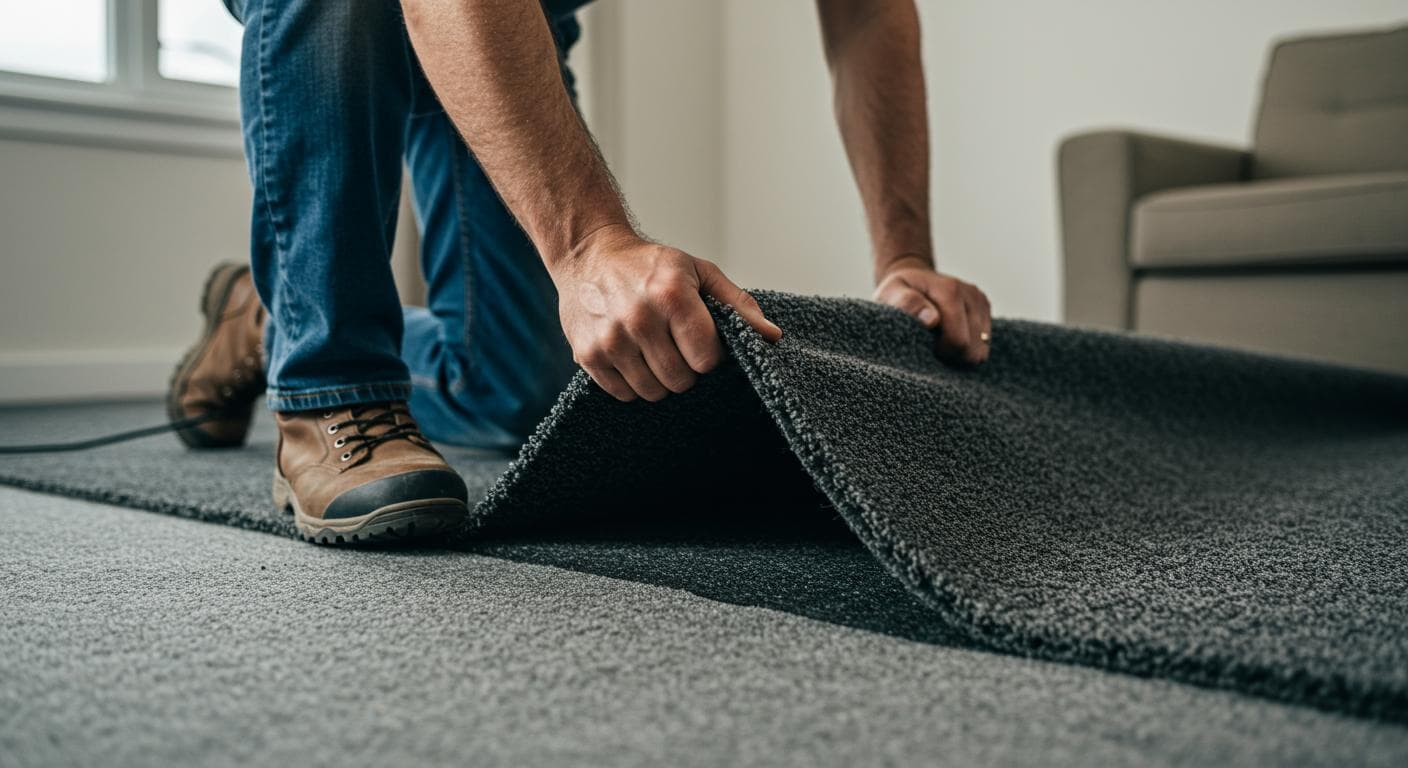
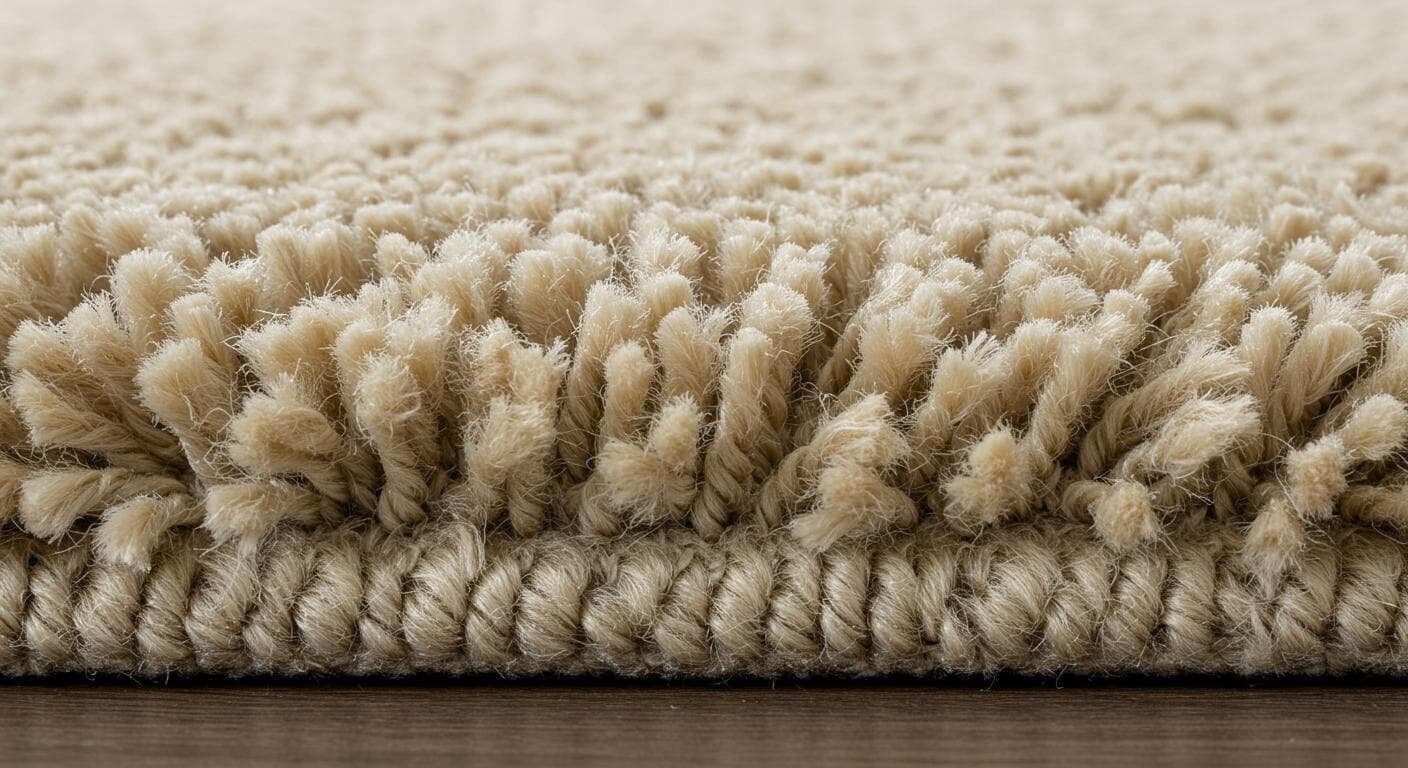
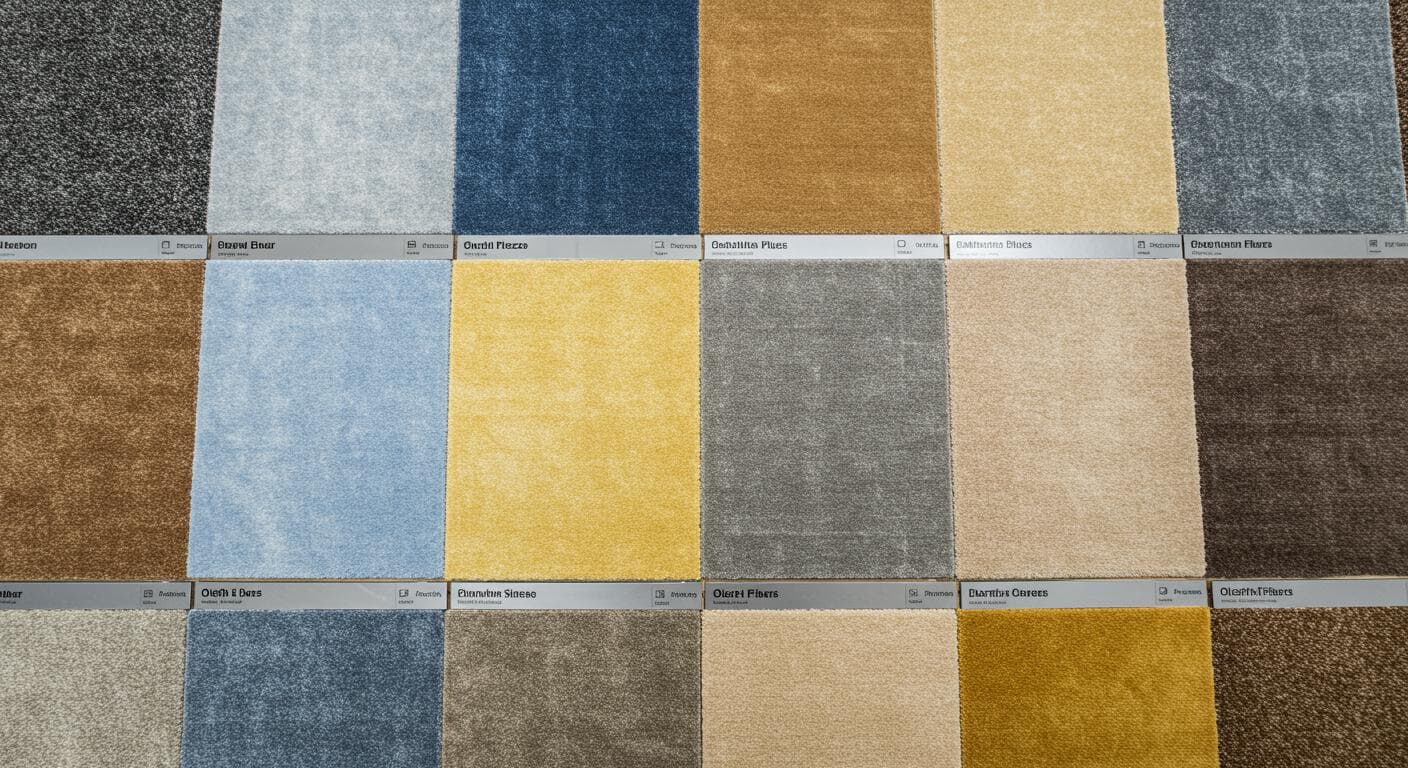
Everything a job covers.
How to hire a carpet installer near you.
Describe your carpet project, room sizes, stair count, type of carpet preference and whether you're supplying carpet or need sourcing
Measurement visit to calculate accurate square footage with proper overage for seaming, room size determines total cost
Carpet and pad ordered, installation scheduled once material arrives, typically 1 to 2 weeks
Removing old carpeting and existing pad completed, tack strips installed or replaced, new pad laid and stapled to subfloor
New carpet power-stretched and secured, seams completed, transition strips installed at doorways, room cleaned
Carpet Installer cost near you.
Prices vary by scope and city. You get a firm quote after describing the job, free, no obligation.
* US average estimates. Final pricing confirmed before any work begins.
Why hire a professional near you.
Power stretching on every installation, no rippling or buckling years after install carpet is complete
Quality pad options with no hidden fees, 6 lb standard, 8 lb premium available, weight always specified in quote
Stair carpet specialists, waterfall and wrapped staircase installation options explained before you decide
Removing old carpeting and disposal always included, no extra charge, no hauling to the curb yourself
Carpet sourcing from Shaw, Mohawk, Stainmaster and Karastan at contractor pricing, access to the best brands
Subfloor inspection and minor prep included, squeaks fixed and high spots leveled before new carpet goes down
Get matched instantly.
Describe the job
Tell us about your carpet installation project: scope, urgency and your zip code.
We match & dispatch
We find the best available verified pro in your area. No bidding wars, no picking from a list.
Get your free quote
Your pro reviews the job and sends a quote. You only pay once you approve the work.
How to choose the best carpet installation company.
The most important question for any carpet installer: 'Do you use a power stretcher?' If the answer is no, hire someone else. Knee kickers alone create rippled carpet within 2 to 5 years, requiring early carpet replacement that costs as much as the original job.
Get quotes that include pad weight, not just 'includes pad.' A quote that says 'includes pad' with no weight specification often means cheap 3 lb pad that compresses flat within a year. Specify 6 lb minimum, 8 lb for high-traffic areas. Sites like HomeWyse and HomeGuide list average cost to install carpet ranges by region, Ohio falls in the $3.50 to $7 per square foot range for full carpet installation cost including materials.
For stair carpet, ask whether they do waterfall installation (carpet folded over each step nose) or wrapped installation (carpet wrapped under each nose). Both are valid; the right choice depends on the stair design and carpet style. Always get a quote that covers the overall project, square footage, stair count, removing old carpeting, furniture moving and transition strips, with no hidden fees after the job begins.
Ask about certified installer credentials. Shaw Flooring and Mohawk both run certification programs for their flooring installers, a Shaw or Mohawk certified installer has completed brand-specific training on proper installation of their products, which also protects warranty coverage. Many Ohio carpet manufacturers, including Shaw and Stainmaster, require professional installation by a certified installer to honor the product warranty. Confirm that your installer's workmanship carries a warranty as well, reputable Ohio carpet installers back their labor for 1 to 2 years. Karastan carpets at the premium tier have strict installation requirements; always use an authorized installer for premium carpet to ensure warranty coverage remains intact.
Skip the comparison shopping. Contractor Palace pre-vets every pro and dispatches the best match, no browsing directories, no bidding wars.
Signs you need this service.
Carpet rippling or buckling, improper original installation or pad failure means it's time for carpet replacement
Carpet matted flat in high-traffic areas with no resilience remaining, face weight has been exhausted
Stains that won't come out despite professional cleaning, time to install new carpet
Carpet more than 10 to 15 years old with visible wear patterns, average cost of new carpet is worth it vs continuing to clean
Finishing a basement and need warm, comfortable flooring, carpet is ideal for basement family rooms
Moving into a new Ohio home, replacing the previous homeowner's worn carpet is a top first home improvement
Allergy concerns from existing carpet holding dust, pet dander and allergens, new carpet with proper vacuuming improves indoor air quality
Carpet Installation Services by City
Choose your city for local pricing, availability and verified pros near you.
Your privacy is protected
We never expose contractor names, business names or direct contact info on our platform. Communication runs through Contractor Palace until your pro is assigned and the work begins, at which point you get direct contact for your pro. It protects both you and the pro.
Why homeowners trust us.
Carpet Installer FAQ.
How much does carpet installation cost in 2026?
The average cost to install carpet in Ohio in 2026 is $3.50 to $7 per square foot including carpet, pad and labor. Labor cost alone runs $1 to $2 per square foot. A 12x12 room (144 sq ft) typically costs $500 to $1,000 total. Stair carpet runs $20 to $45 per step. Room size, type of carpet and whether you're replacing existing carpet all affect the total cost.
What carpet types are available and how do they affect cost?
Nylon is the most durable and popular choice, higher face weight nylon handles high-traffic areas well. Polyester offers good stain resistance at a lower price. Triexta (a newer synthetic fiber) combines durability and softness. Wool carpets are the premium option. Cut pile and loop pile are the two main construction types, each with different texture and durability profiles.
Is carpet pad included in the carpet installation cost?
It depends on the installer. Our pros include pad in all quotes, no hidden fees. We use 6 lb rebond as standard; 8 lb premium pad is available for high-traffic rooms and stairs. The underlayment quality directly affects how carpet feels underfoot and how long it lasts.
How do you handle furniture when replacing carpet?
We move standard furniture room by room, beds, dressers and sofas are included. Moving furniture is included in the labor cost. Very heavy or fragile items should be moved before we arrive. Removing old carpeting and disposing of it is always included.
How long does carpet installation take?
A single bedroom (12x12) takes 2 to 3 hours. A full home (3 bedrooms + staircase, approximately 1,200 sq ft) takes one full day, typically 6 to 8 hours including removing old carpeting, pad installation and seam work. Stairs add about 1 hour for a standard 14-step staircase. The carpet and pad must be on-site before the installation date, so plan for a 1 to 2 week lead time after ordering materials.
Carpet vs. hardwood flooring, which is better for Ohio homes?
Each serves a different purpose. Carpet installation cost is lower upfront ($3.50 to $7/sq ft installed vs. $8 to $15/sq ft for hardwood) and carpet is warmer, quieter and more comfortable in bedrooms and family rooms. Hardwood adds more resale value and suits main living areas and kitchens. Many Ohio homeowners choose hardwood for main living areas and carpet for bedrooms, the combination balances comfort, cost and resale value. Triexta and nylon carpets in bedrooms outlast hardwood in comfort for the same 15 to 20 year period.