
Commercial Roof Repair
Find a commercial roof repair contractor near you
Flat roof leak, membrane failure or storm damage? We match you to a licensed commercial roofing contractor familiar with your system, whether it is TPO, EPDM, BUR, modified bitumen or metal.
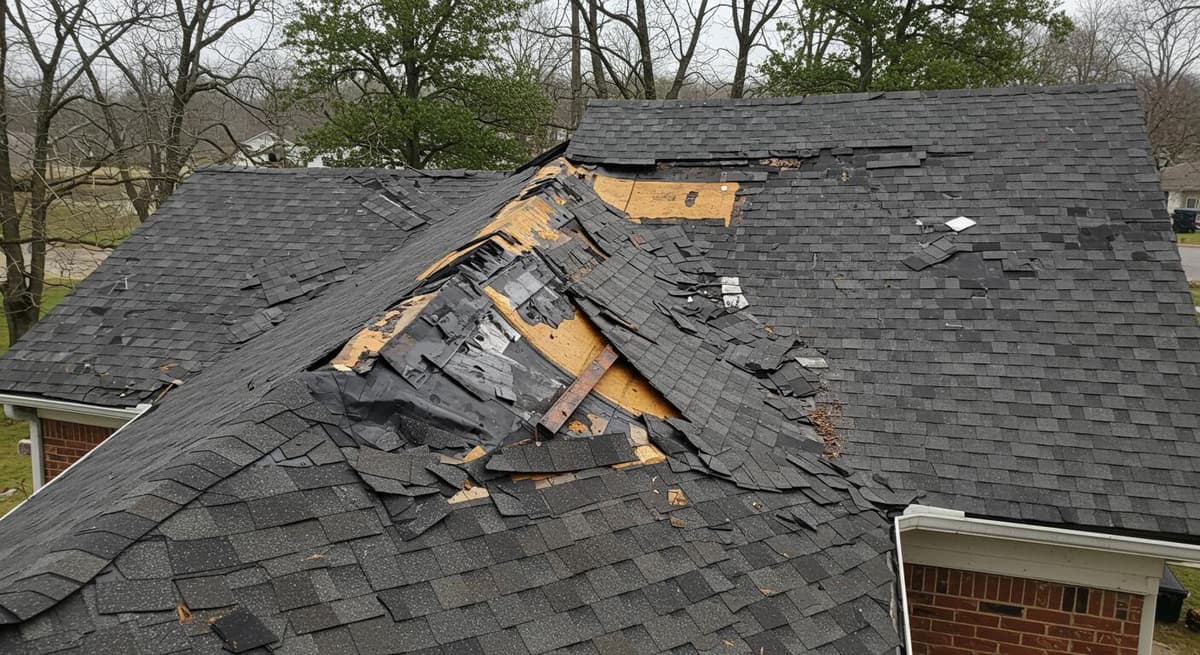
Common commercial roof problems we match for
Commercial roofing systems fail differently from residential shingle roofs. Flat and low-slope membranes concentrate water instead of shedding it, which means a small breach becomes a large repair fast.
Flat roof membrane leak
Ponding water, blistering or membrane seams that have separated are the most common source of leaks on a commercial flat roof. A roofing contractor who works on commercial buildings can locate the breach with an infrared scan or water test, then heat-weld or cold-apply a patch without replacing the entire field.
TPO and EPDM seam failure
Thermoplastic polyolefin (TPO) and EPDM rubber roofing systems fail most often at seams, flashings and penetrations. A seam that has pulled apart is an open water channel. TPO seams are heat-welded and can be re-welded if the membrane is otherwise intact. EPDM seams use tape or adhesive and are patched with matching material.
Built-up roofing (BUR) alligatoring
Alligatoring is the cracked, scaly surface pattern that appears on aged built-up roofing and modified bitumen systems. It signals that the top coating has oxidized and is no longer protecting the layers beneath. A commercial roofer can apply a flood coat and granules to extend the life of a BUR system before full replacement is necessary.
Flashing failure at walls and penetrations
Where the roof meets a parapet wall, an HVAC curb or a pipe penetration is where most commercial roof leaks originate. Metal counter-flashing corrodes or pulls away from the wall. Pitch pockets around pipe penetrations dry out and crack. These are targeted repairs that cost a fraction of a full membrane replacement.
HVAC curb and equipment damage
Rooftop HVAC units create penetration points that must be sealed at installation and re-sealed when units are replaced or serviced. An HVAC crew that does not coordinate with the roofing contractor often leaves the curb flashing compromised. A commercial roofer can reseal the curb and membrane without touching the mechanical equipment.
Storm and wind uplift damage
High winds can separate membrane from the roof deck at corners and edges, where wind uplift pressure is highest. Low-slope commercial roofs are vulnerable to edge and corner blow-off. After a major storm, a commercial roofer should inspect the perimeter flashings and edge metal before the next rain event.
Commercial roofing systems and how they are repaired
Each commercial roofing membrane requires different tools, materials and certifications. The contractor you match needs experience on your specific system, not just commercial roofing in general.
| System | Lifespan | Repair method | Notes |
|---|---|---|---|
| TPO (thermoplastic polyolefin) | 15 to 30 years | Heat-weld patches and seam re-welds | Most common new commercial roof membrane. Energy-efficient white surface. Repair requires a hot-air welder and matching membrane. |
| EPDM (rubber roofing) | 15 to 25 years | Lap tape, EPDM patch and adhesive | Black rubber membrane, common on older commercial buildings. Shrinks over time at seams. Repairs are adhesive-based and can be done in most temperatures. |
| Built-up roofing (BUR) | 15 to 30 years | Flood coat, spot mop, gravel reapplication | Multiple layers of bitumen and felt. Repair involves mopping in new material at failed sections. Heavy and proven, but requires hot-work permits in most jurisdictions. |
| Modified bitumen | 20 to 30 years | Torch-down patch or cold-applied adhesive | Factory-made bitumen sheets applied by torch or adhesive. Torch-applied repairs require a contractor with hot-work certification. |
| Metal (standing seam or R-panel) | 30 to 50 years | Seam re-caulking, panel replacement, coating | Screw and panel systems develop leaks at fasteners over time. Restoration coatings can extend life 10 to 20 years without tear-off. |
| PVC membrane | 15 to 30 years | Heat-weld patches | Chemical resistance makes PVC the choice for restaurant and kitchen exhausts. Repair is similar to TPO but requires PVC-specific welding rods. |
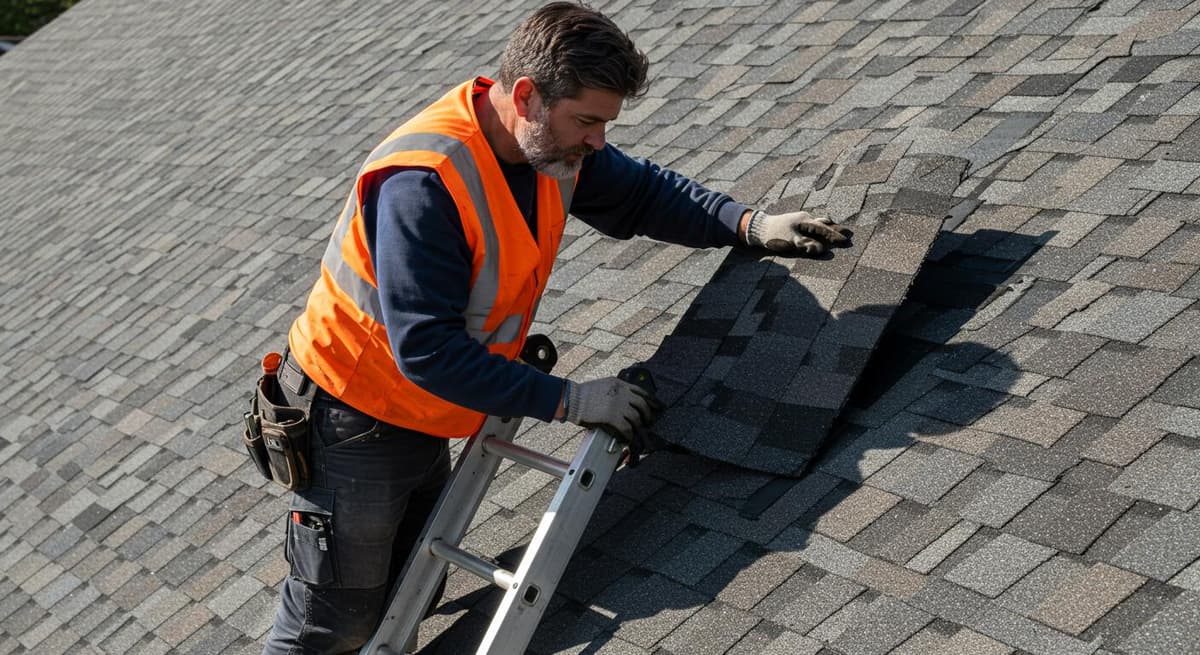
How Contractor Palace matches commercial roofing
- Tell us your building type and roofing system. Single-tenant, multi-tenant, industrial or retail. TPO, EPDM, BUR or metal. No sign-up required.
- We match to a contractor with the right credentials. Commercial roofing requires manufacturer certifications for warranty work on TPO and EPDM systems. We verify credentials before matching.
- The contractor inspects and scopes the repair. A commercial roofer will walk the entire roof, not just the area you reported, to catch secondary failures before they create new leaks.
- You get a written proposal before any work starts. Repair scope, materials, labor, timeline and warranty. Change orders require your sign-off.
What does commercial roof repair cost?
Repair costs vary by membrane type, roof access and scope. A targeted patch is far less than a full replacement.
| Service | Typical cost range |
|---|---|
| Leak investigation and report | $200 to $500 |
| TPO or EPDM seam repair (per seam) | $300 to $800 |
| Flashing repair at wall or penetration | $400 to $1,200 |
| Pitch pocket fill and reseal | $150 to $400 |
| BUR flood coat and granules (per square) | $150 to $350 |
| HVAC curb re-flash | $300 to $700 |
| Storm damage emergency tarp | $500 to $2,000 |
| Full commercial roof replacement (per square) | $400 to $1,200 |
Residential leak repair costs are lower. See our roofing leak repair guide for residential pricing.
Repair vs replace: how a commercial roofer decides
A full commercial roof replacement is a major capital expense. Most building owners want to know when repair is the right call and when replacement is unavoidable. A qualified commercial roofer uses specific criteria, not just a visual impression.
Infrared scan and core samples
An infrared thermographic scan of the roof after sunset shows wet insulation as a warm spot in the image. Dry areas cool faster than wet ones, and the contrast on an infrared camera reveals exactly how much of the roof has been compromised. A core sample taken at a wet area confirms whether the moisture is in the insulation or only at the surface. A contractor recommending full replacement without an infrared scan on a roof larger than 5,000 square feet is guessing rather than measuring.
The 25 percent rule
The commercial roofing industry generally considers a roof a candidate for replacement when more than 25 percent of its insulation is wet or when more than 25 percent of the membrane has failed. Below that threshold, targeted repair and a restoration coating program typically deliver a better return than full tear-off. Above it, every repair dollar is buying time rather than solving the problem.
Coating programs as an alternative
A silicone or acrylic restoration coating applied over a structurally sound membrane can extend roof life by 10 to 20 years at roughly one-third the cost of replacement. Coating programs require the membrane to be dry and the seams to be repaired before application. They are not appropriate for a membrane with widespread wet insulation. A commercial roofer who offers coating programs will tell you whether the roof qualifies after the infrared scan.
Common questions
How do I find where a commercial roof is leaking?
Commercial roof leaks rarely enter the building directly above where the damage is visible inside. Water travels along the membrane, deck or insulation before finding a gap into the building. A commercial roofer uses one of three methods to locate the source: a visual inspection of seams and flashings, an infrared thermographic scan (which shows wet insulation as a temperature contrast), or an electronic leak detection test on fully adhered membranes. Start with a visual inspection after identifying approximately where the water is appearing inside.
Can a commercial roof be repaired instead of replaced?
In most cases yes. A full commercial roof replacement is a significant expense, typically $40,000 to $120,000 or more for a mid-size building. Most commercial roofing contractors prefer to repair and extend when the membrane is in overall good condition and only specific areas have failed. A roof with more than 25 to 30 percent of its surface compromised or with saturated insulation across large areas is a candidate for replacement. A reputable contractor will show you the infrared scan or core sample results that support the recommendation.
How much does commercial roof repair cost?
Targeted repairs run $300 to $1,500 for a single seam failure or flashing repair. A comprehensive repair program covering multiple problem areas on a large roof can reach $5,000 to $15,000. The cost depends on the membrane type, how accessible the repair area is and whether any wet insulation must be removed and replaced before patching. Get a written scope that separates labor and materials.
Does my commercial property insurance cover roof repair?
Commercial property insurance typically covers sudden and accidental damage from storms, hail and wind. Maintenance-related failures, gradual leaks and wear are excluded. Document damage with photos and a contractor inspection report before filing a claim. Some policies require repairs to begin within a specific time after a storm event. We do not assist with insurance claims or interpret policy terms.
How long does a commercial roof repair take?
Single-area repairs like a seam patch or flashing reseal typically take one half-day to one full day. A larger repair program covering multiple areas may take two to four days depending on the size of the roof and the membrane type. Most commercial repairs do not require the building to close.
Do you match contractors for large commercial properties?
Yes. Tell us your building type, square footage and the type of roofing system you have when you submit your request. We match you to a commercial roofing contractor with experience on your membrane type and building size. Multi-building campuses and multi-location businesses are handled as a single request.
Get matched with a commercial roofing contractor today
Tell us your building type and membrane system and we call you back once we have a match. Commercial roofers serving Ohio, Colorado, Texas, Arizona, Nevada, California and Florida.
Find a commercial roofer near me