
Roofing Leak Repair
Find a roofer for leak repair near you
A roof leak that starts small gets expensive fast. We match you to a licensed roofer who can diagnose the source, give you a flat quote, and repair only what needs fixing, without selling you a full replacement you may not need.
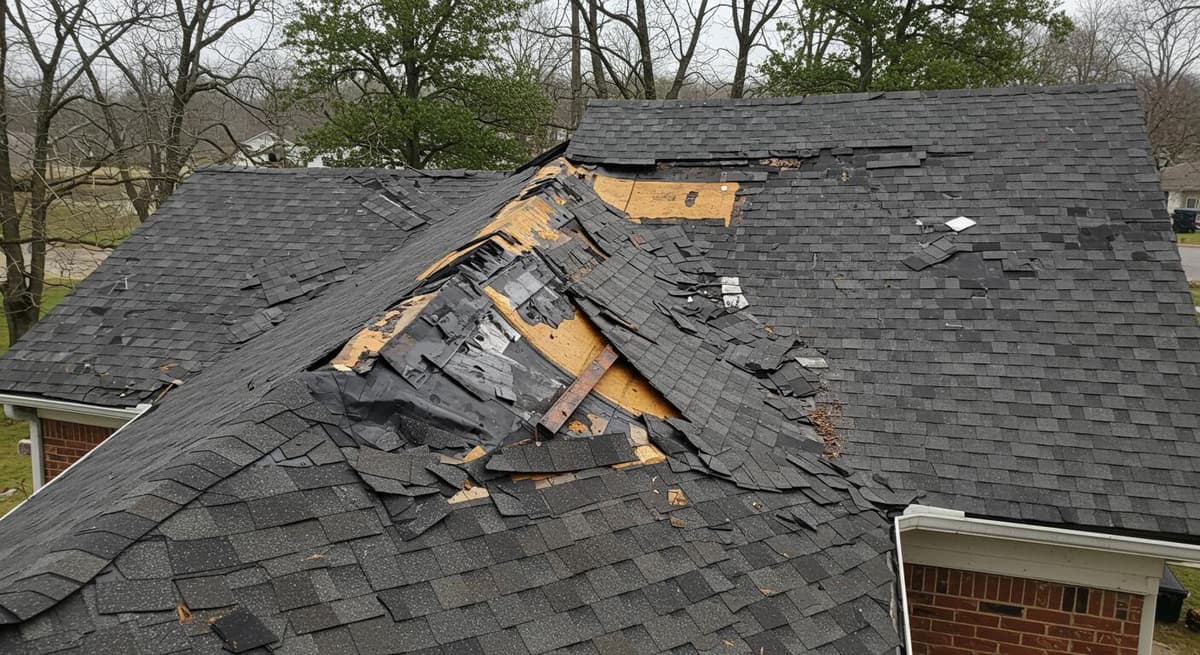
The six most common roof leak sources
Most leaks trace back to one of these six places. Knowing which one you have helps you describe it clearly when you call a roofer, and helps you spot a diagnosis that does not match the evidence.
Flashing failure
The metal strips sealing your roof around chimneys, vents, and skylights are the most common source of leaks. They corrode, crack, or pull away from the roof deck over time. A roofer can reseal or replace a flashing section in a few hours.
Missing or cracked shingles
Storm winds, age, or foot traffic can lift, crack, or remove individual shingles. The bare deck underneath absorbs water and rots. A targeted shingle replacement stops the leak without replacing the whole roof.
Valley leak
Roof valleys are where two slopes meet and water concentrates. If the underlayment or metal in the valley fails, rain funnels directly into the attic. Repair involves resealing or relining the valley.
Flat or low-slope ponding
Flat roofs can develop standing water when drains clog or the membrane cracks. Standing water eats through roofing material faster than anything else. A roofer will clear the drain, patch the membrane, and check the slope.
Pipe boot failure
Every plumbing vent that exits your roof has a rubber or neoprene boot around it. Those boots dry out and crack, usually around year 10. Replacement costs a few hundred dollars and takes under an hour.
Ridge cap damage
The ridge is the highest point of your roof and takes the most wind. Ridge cap shingles or tiles that shift or blow off leave the peak exposed. A roofer re-nails and reseals the cap to restore the seal.
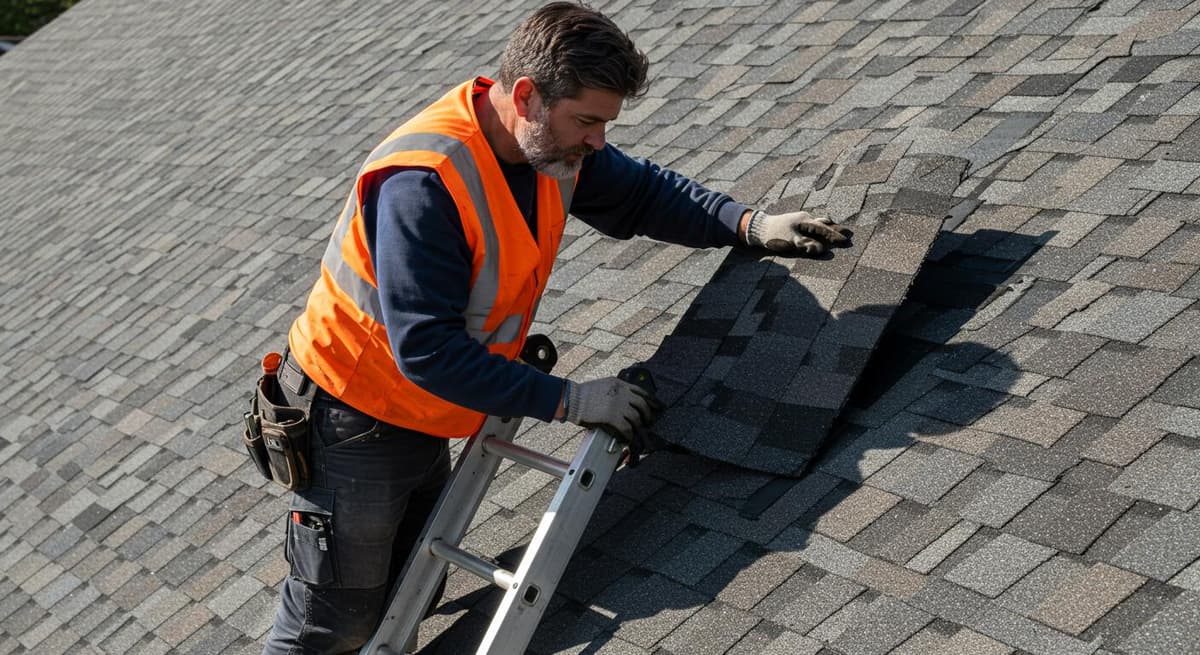
How leak repair works on Contractor Palace
- Tell us where the water is coming in. Room, ceiling area, and whether there is any visible roof damage or storm event. No sign-up required.
- We match you to a licensed roofer in your area. Every roofer in our network carries a current state contractor licence and active liability insurance. We verify both before they appear in results.
- The roofer contacts you directly. They will schedule a diagnostic visit, inspect the roof, identify the exact failure point, and give you a written quote before any work starts.
- Repair only what is broken. A leak does not automatically mean a full replacement. Our roofers give you a repair-first option whenever the rest of the roof is in serviceable condition.
What does roof leak repair cost?
These are typical ranges. Your quote depends on the type of repair, roof pitch, and local labor rates. A roofer will give you a written price before any work starts.
| Repair type | Typical cost range |
|---|---|
| Shingle patch (1-3 shingles) | $150 to $500 |
| Flashing repair or reseal | $200 to $800 |
| Valley repair | $300 to $1,200 |
| Pipe boot replacement | $150 to $350 |
| Ridge cap repair | $250 to $700 |
| Flat roof membrane patch | $400 to $1,500 |
| Emergency tarp (storm night) | $400 to $1,200 |
| Full leak diagnosis + report | $100 to $300 |
After-hours and weekend emergency calls typically carry a 1.5x to 2x premium on labor.
What affects roof leak repair cost in your area
The same type of repair costs different amounts depending on several factors. Understanding them helps you know whether the quote you get is fair, and whether a better outcome is possible with faster action.
Building age and roof material
An older building with a 3-tab shingle roof costs less to patch than one with architectural shingles, because architectural shingles are thicker and layered differently. Commercial roofing materials, including TPO, EPDM rubber and built-up tar, cost more per square foot to repair than residential asphalt because they require different tools and adhesives.
Residential vs commercial repair
Commercial roof repair typically runs higher than residential repair for the same square footage. Flat and low-slope roofs common on commercial buildings require membrane patching rather than shingle replacement, and the materials cost more. A commercial building also usually requires more scaffolding or lift equipment if the parapet walls are tall.
Repair now vs repair later
A small flashing gap costs a few hundred dollars. The same gap left for one rainy season rots the deck underneath, which adds deck replacement on top of the original repair. Better outcomes happen when leaks are caught early. The roof repair cost almost always goes up with time, not down. A roofer who inspects the area around the visible damage will tell you whether the surrounding deck is still solid or whether it has started to degrade.
Repair vs replace
If the rest of the roof is in good condition, a targeted repair is almost always the right call. Repair makes sense when the damage is localized, the roof is under fifteen years old and the material has no widespread cracking or granule loss. Full replacement becomes the better option when the roof is at or past its service life and multiple areas are failing at once. A roofer should tell you both the repair cost and the replacement cost so you can make a decision based on actual numbers.
Common questions
How quickly can a roofer come out for a leak?
Most of our matched roofers offer same-day service for active leaks. In an emergency, a tarp can go on within a few hours. Once you submit your request, we match you and you hear back directly from the roofer to schedule.
Can I get just the leaking section repaired, or do I need a full replacement?
Most leaks are isolated to one area and can be repaired without replacing the whole roof. A roofer will inspect the affected section, identify the failure point, and give you options. A full replacement is usually only necessary when the roof has widespread damage or is at the end of its service life.
Will my homeowners insurance cover a roof leak repair?
It depends on the cause. Sudden storm or impact damage is generally covered. Wear, age, and neglect typically are not. Emergency mitigation, such as tarping to stop active water entry, is usually reimbursable under most policies because stopping further damage protects both you and the insurer. Take photos immediately. We do not assist with insurance claims or interpret policy terms.
What should I tell the roofer when they call?
Tell them where the leak is coming in (which room or area of the house), whether there is any visible damage on the roof (missing shingles, storm debris), how long it has been leaking, and whether you have seen this spot before. Photos help them bring the right materials on the first visit.
Is it safe to stay in the house while the roof is leaking?
Usually yes, as long as there is no water near electrical fixtures, panels, or outlets. If water is dripping near a light fitting or an outlet, cut power to that area at the breaker and treat it as an emergency. For structural concerns, such as a sagging ceiling, stay out of the affected room.
How do you vet the roofers on Contractor Palace?
Every roofer we match is verified for a current contractor license in the state where they work and carries active general liability insurance. We check both before they appear in our network, and we remove anyone whose license lapses.
Get matched with a roofer today
Tell us where the leak is and we call you back once we have a match. Licensed roofers serving Ohio, Colorado, Texas, Arizona, Nevada and California.
Find a roofer near me