
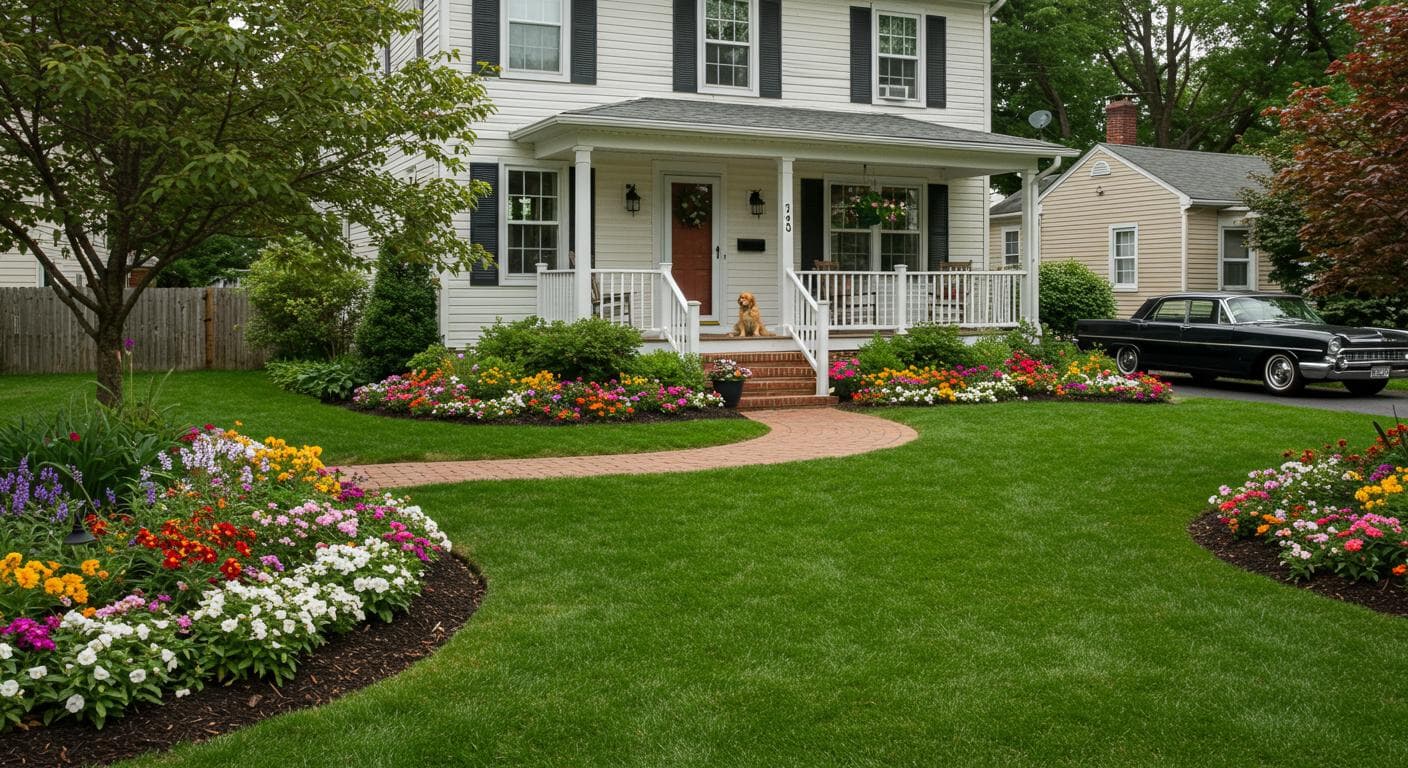
Landscaping in Youngstown: Zone 6a, Snow Belt and Clay Soil
Youngstown sits firmly in USDA Plant Hardiness Zone 6a and the Mahoning Valley's location in the Ohio snow belt means landscapes here face a harder test than most of the state. Lake-effect snow loads from November through March, late spring frosts that routinely surprise new plantings and heavy clay soils that drain poorly are the baseline conditions every Youngstown landscaper must work with. Contractor Palace connects homeowners in Boardman, Austintown, Canfield, Poland, Struthers and Liberty Township with landscape professionals who have built successful properties under these exact conditions.
Youngstown Landscaping: Snow Belt, Clay Soil and Zone 6a Planting
Mahoning County's heavy clay soils are the defining landscape challenge across the area. Clay compacts easily under foot traffic and equipment, drains slowly after rain and heaves during freeze-thaw cycles, which can kill newly installed perennials and shift hardscape over time. Experienced Youngstown landscapers amend bed soil with compost and coarse organic matter before planting and they select species proven to tolerate wet feet in spring and hard dry periods in August.
Wait Until Mid-May to Plant Annuals
The snow belt reality matters for plant selection and for lawn health. Turf in Youngstown takes a beating from de-icing salts near driveways and roads. Salt-tolerant grass varieties and a 6-inch buffer of mulch or perennial plantings along pavement edges protect lawns from the main damage vector. Late spring frosts as late as mid-May in Mahoning County mean the last-frost planting date is later here than in Columbus or Cincinnati by two to three weeks.
Zone 6a Plant Selection for Youngstown
Reliable performers in Mahoning County landscapes include coneflower (Echinacea), black-eyed Susan, daylily, ornamental grasses like Karl Foerster feather reed grass, burning bush (check invasive status), inkberry holly for wet spots and native serviceberry for small tree scale. Avoid marginally hardy plants rated Zone 6b or 7 unless given a protected south-facing microclimate. Our Youngstown landscapers select species with a track record in Mahoning County's specific climate pattern.
Landscaping and Lawn Maintenance Services for Youngstown Properties
Lawn Care and Maintenance
Weekly and bi-weekly mowing, edging, trimming and cleanup. Fertilization programs calibrated for Mahoning County’s clay-based turf soils and the cool-season grass varieties that thrive in Zone 6a.
Mulch Installation
Hardwood mulch, cedar and rubber mulch options. Fresh mulch installation in spring after last-frost and fall cleanup. Proper mulch depth 2 to 3 inches keeps Youngstown beds from drying out in August heat and protects roots in cold winters.
Planting and Bed Installation
Perennial and annual bed design and installation using Zone 6a-proven species. Soil amendment with compost before planting in Mahoning County’s dense clay soil is standard practice for good landscapers.
Landscape Design
Design plans for front yard curb appeal, backyard privacy and full-property renovation. Mahoning Valley landscape designers select plants that handle snow belt winters and the late Zone 6a last-frost date.
Cleanup and Seasonal Services
Spring cleanup (leaf and debris removal, bed edging), fall cleanup (leaf removal, cut-back of perennials, pre-winter mulching). Snow belt properties need thorough fall prep to protect plantings through Mahoning County winters.
Drainage Solutions
French drains, dry creek beds and regrading to address the waterlogged conditions common in Youngstown’s clay-soil lots. Poor drainage is the number one killer of Mahoning County landscaping investments.
Landscaping Cost in Youngstown: What to Expect
Youngstown / Mahoning County estimates. Local landscaping rates are competitive and reflect the area's mid-tier labor market.
Lawn Care and Landscaping Services in Youngstown Ohio: A Complete Guide
Mahoning County sits in USDA Hardiness Zone 6a, which means cool-season grasses are standard throughout Youngstown lawns. Kentucky bluegrass, tall fescue and perennial ryegrass grow actively in spring and fall but go dormant during summer heat. A proper Youngstown lawn care program builds around that seasonal rhythm. Core aeration in the fall ($150-$300 for a standard lot) breaks up compacted clay, improves water infiltration and primes the turf for overseeding. Overseeding in late summer through October ($200-$500) thickens thin turf while soil temperatures are still warm enough to germinate seed. Dethatching removes the layer of dead organic matter that builds up in dense bluegrass lawns and can choke water and fertilizer penetration. Fertilization programs in Mahoning County typically follow a 4-step schedule similar to Scotts ProSolutions or a custom granular program from a local agronomist: a slow-release nitrogen application in early spring, a second feeding in late spring, a summer maintenance application and a fall winterizer. Pre-emergent weed control applied in spring (before soil temps hit 55 degrees) targets crabgrass before it germinates. A full-service Youngstown lawn care program covering aeration, overseeding, fertilization and weed control runs $400-$900 per year for a standard residential lot depending on service frequency and lot size.
Landscape installation and hardscaping in the Mahoning Valley requires special attention to soil preparation. Youngstown's clay-heavy soils retain water and cause root rot in plants not selected for wet or heavy soils, so soil amendment before planting is standard practice among experienced local landscapers. Mixing gypsum and compost into the top 12 inches of a planting bed breaks up clay structure and improves drainage enough for most ornamental plantings. Native plant selections popular in Youngstown landscaping include Ohio coneflowers, black-eyed Susan, ornamental grasses like Karl Foerster feather reed grass and small trees like serviceberry and redbud. For homeowners in Boardman and Poland who are investing in outdoor living, hardscaping with paver systems from Belgard, Unilock or Cambridge Pavingstones is a common upgrade. Paver patios, retaining walls and walkways add usable outdoor space and hold value well in the Mahoning Valley market. One regulatory note: retaining walls taller than 4 feet require an engineer's stamp in Mahoning County, so any wall project in that height range needs engineering drawings before installation begins.
Youngstown properties follow a clear seasonal landscaping schedule that experienced Mahoning County landscapers use to protect client investments year to year. Spring (March through May) is for cleanup, pre-emergent herbicide application, bed edging and mulching (2-3 inches of shredded hardwood over weed barrier installed after last frost). Summer (June through August) shifts focus to irrigation checks, pest and disease monitoring and tree trimming while growth is active. Fall (September through November) is the most important season for Youngstown lawn care: core aeration, overseeding, final fertilization, thorough leaf cleanup, perennial cutback and tree and shrub winterization all happen in this window. Winter (December through February) is the right time for late-winter tree pruning since pruning dormant trees in Ohio reduces disease transmission and promotes vigorous spring growth. Youngstown landscapers are typically booked 2-4 weeks out for spring cleanups starting in April, so scheduling early avoids delays.
Landscaping Company Outdoor Maintenance Calendar: Youngstown and Mahoning County
Zone 6a Mahoning County has a clear seasonal rhythm that experienced Youngstown landscapers use to plan work and protect client investments. The schedule differs meaningfully from central Ohio because of the later last-frost date and the snow-belt effect on fall timing.
March to April: Spring cleanup and bed prep
Leaf and debris removal from winter, bed edging, pre-emergent herbicide application for crabgrass control in turf. Do not plant annuals or tender perennials before mid-May.
Mid-May to June: Primary planting window
After last-frost risk clears (typically May 10 to 20 in Mahoning County), annuals, perennials and woody plants can go in. Mulch installation after planting reduces moisture loss through dry summer months.
July to August: Maintenance and irrigation focus
Mowing, edging, weed control. Younger plantings need consistent water in August dry periods. Mahoning County clay retains moisture longer than sandy soils but can still stress new plants in dry stretches.
September to October: Fall planting and prep
Fall is a strong planting window for trees, shrubs and perennials in Zone 6a. Six weeks of root establishment before the ground freezes is enough for most hardy species. Fall cleanup and pre-winter mulching protect crowns through snow-belt winters.
Landscaping Service Areas: Youngstown and Surrounding Communities
How to Book a Youngstown Landscaper
Describe your landscaping project
Property size, what you want done, your budget range and timing. Photos of your yard help the landscaper prepare an accurate quote.
Get matched with a Mahoning County landscaper
One matched landscaping professional with Zone 6a experience and Mahoning County project history. No callbacks from multiple companies.
Review the scope and approve before work begins
Written scope with plant species, quantities and pricing. You pay your landscaper directly once you confirm the job is complete.
Frequently Asked Questions: Landscaping in Youngstown
What plants grow well in Youngstown, Ohio?
Youngstown is in USDA Zone 6a with heavy clay soils and snow-belt winters. Reliable choices include coneflower, black-eyed Susan, Karl Foerster feather reed grass, daylily and inkberry holly for wet spots. Native serviceberry and redbud work well at small tree scale. Avoid Zone 6b or 7 marginal plants unless planted in a protected south-facing location with wind protection from structures or evergreens.
When is the best time to plant in Youngstown?
The primary spring planting window in Mahoning County opens after the average last frost, which falls between May 10 and May 20. Annuals and tender perennials should wait until mid-May. Fall is also an excellent planting time: September through mid-October gives trees, shrubs and perennials 6 or more weeks to establish roots before the ground freezes.
How much does landscaping cost in Youngstown, Ohio?
Weekly mowing in Youngstown runs $40 to $75 per visit depending on lot size. Spring or fall cleanup packages run $200 to $500. Mulch installation (5 yards delivered and spread) typically costs $400 to $900. A perennial bed installation with Zone 6a-appropriate plants runs $800 to $2,500 per 100 square feet including plant material and soil amendment. Full property landscape renovations range from $5,000 to $25,000.
How do I fix drainage problems in my Youngstown yard?
Mahoning County’s clay soils drain poorly and many properties have low spots that hold water after rain. The standard fix is a French drain: a perforated pipe in gravel-filled trench routed to daylight, a dry well or the street. For severe low-spot issues, regrading and sometimes dry creek bed design is needed. Our Youngstown landscapers assess drainage before new planting because poor drainage is the primary reason new plantings fail in clay-soil properties.
What grass type grows best in Youngstown Ohio?
Cool-season grasses thrive in Mahoning County’s Zone 6a climate. Kentucky bluegrass provides a dense, attractive turf but requires consistent watering and fertilization. Tall fescue is more drought-tolerant and handles Youngstown’s clay soils better. A blend of Kentucky bluegrass and fine fescue is commonly used in shaded Youngstown yards. Perennial ryegrass is fast-germinating and often mixed with bluegrass in overseeding blends. Warm-season grasses like Bermuda and zoysia are not suitable for Youngstown’s climate and will not survive Ohio winters.
When should I aerate and overseed my Youngstown lawn?
Fall is the ideal time to core aerate and overseed in Youngstown, specifically late August through October. Soil temperatures are still warm enough to germinate seed while air temperatures are cool, which is ideal for cool-season grass establishment. Spring overseeding is a second-best option but competes with crabgrass germination and summer heat stress. Core aeration on a standard Youngstown lot runs $150-$300. Overseeding adds $200-$400. Many Mahoning County lawn care companies bundle aeration and overseeding into a fall package.
Do landscapers in Youngstown do snow removal?
Many Youngstown landscaping companies offer seasonal snow removal contracts for residential driveways, sidewalks and parking areas. Mahoning County averages 50-70 inches of snowfall per season and snow removal during the November-March window is a natural extension of lawn care services. Contracts typically cover trigger amounts (usually 2 inches or more) and include de-icing salt or calcium chloride application for walkways. Seasonal contracts in the Youngstown area run $400-$1,200 depending on property size and trigger depth.
Related Services in Youngstown
Need a landscaper in Youngstown? Get matched today.
Post your landscaping project and get connected with a Zone 6a-experienced Mahoning County pro. One matched Mahoning County pro.
Get my free Youngstown landscaping quotearrow_forward