
Slab Foundation Repair
Find a slab foundation repair contractor near you
Cracks in your concrete slab, sloping floors or sticking doors all point to foundation movement. We match you to a licensed foundation repair contractor who will inspect the slab, identify the cause and give you a written repair scope before any work begins.
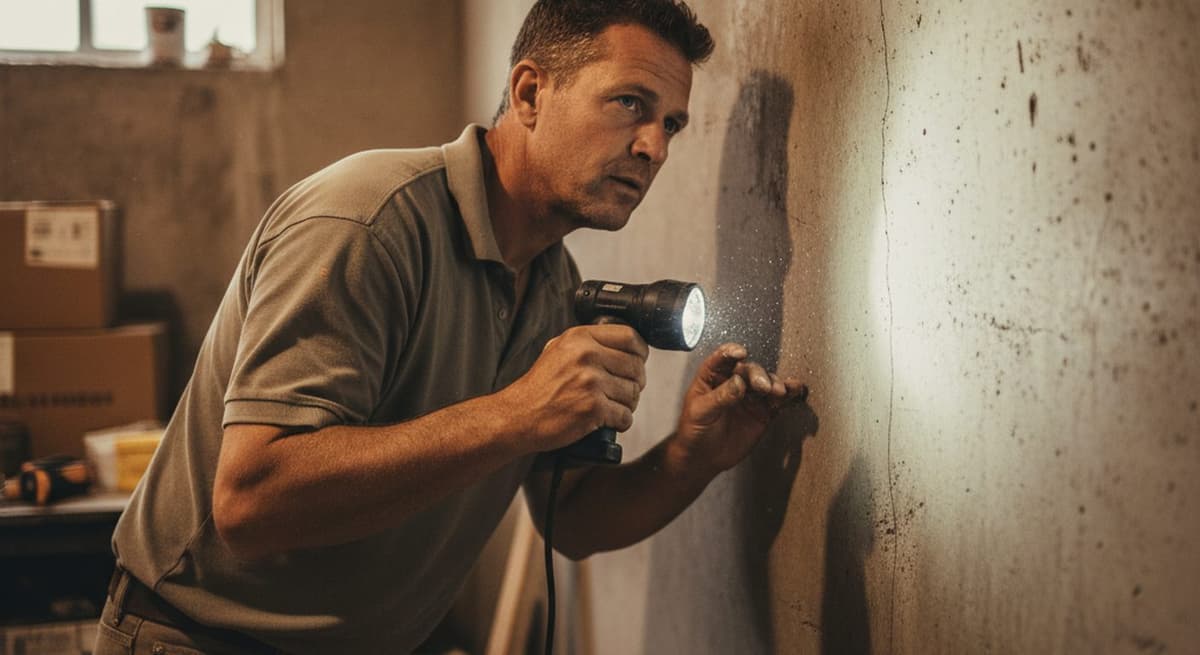
Signs your slab needs a foundation contractor
Most slab foundation problems start small and get worse with each rain cycle. These are the signs that a licensed foundation contractor should assess, not watch.
Horizontal and diagonal slab cracks
A hairline crack in a concrete slab is common. A crack wider than a quarter inch, a crack that runs diagonally across a room, or a crack where one side has shifted higher than the other is a structural warning. These patterns indicate differential settlement, where one part of the slab has dropped more than another. A foundation contractor can determine whether the crack is cosmetic or load-bearing.
Uneven or sloping floors
A floor that slopes more than one inch over twenty feet is outside the normal tolerance for a slab foundation. A marble rolling across the floor on its own, furniture that wobbles on flat ground, or doors that bind at the top or bottom are all signs of slab movement. The cause is almost always soil settlement or erosion beneath the slab, not the slab itself.
Sticking doors and windows
When a slab settles unevenly, the frame of the house distorts. Doors and windows sit in rectangular frames, and a shifted frame creates a trapezoid instead of a rectangle. The first sign is a door that scrapes the floor or sticks at the latch. The second is a gap appearing at the top corner of the frame. Do not plane the door down without investigating the cause.
Water intrusion through the slab
A concrete slab is not waterproof. Cracks and gaps at the perimeter allow groundwater to enter, especially in clay-heavy soils that expand when wet. Standing water or persistent damp spots on a concrete floor indoors are signs that the slab integrity or the perimeter seal has failed. Water entry also accelerates settlement by eroding the soil beneath the slab.
Slab heaving or upheaval
Expansive clay soils can push UP on a slab when they absorb moisture, lifting sections and creating ridges or humps in the floor. Heaving is the opposite of settlement but causes similar structural damage. It is common in Texas, Colorado and Arizona where clay content is high. The repair approach is different from settlement repair and requires a contractor familiar with expansive soil conditions.
Pier or beam failure in post-tension slabs
Post-tension slabs common in Texas and the Southwest use steel cables tensioned through the concrete to resist movement. If a cable snaps or a pier under the slab fails, the result is abrupt localized cracking and movement. Post-tension slab repair requires a contractor specifically trained for it. Standard methods for conventional slabs can damage a post-tension system.
How slab foundation repair works on Contractor Palace
- Tell us what you are seeing. Cracks, sloping floors, sticking doors or water entry. No sign-up required.
- We match you to a licensed foundation contractor. Every contractor in our network carries a current state licence and active liability insurance. We verify both before they join.
- They inspect the slab. A foundation contractor measures cracks, checks floor levelness, probes for voids and assesses the soil conditions around the perimeter before recommending a repair method.
- You get a written repair scope. The contractor gives you the repair method, number of piers or injection points, expected lift and a fixed price before work starts. No ambiguous change orders.
Slab foundation repair methods and typical costs
The right repair method depends on what caused the movement, how severe it is and what type of slab you have. Your contractor will recommend the method after the inspection.
| Method | Typical cost | Best for |
|---|---|---|
| Mudjacking (slab jacking) | $500 to $1,500 per section | Pumps a grout slurry under the slab to fill voids and lift settled sections. Works on settled walkways, driveways and garage slabs. Limited life expectancy on heavy clay soils. |
| Polyurethane foam lifting | $800 to $2,500 per section | Expands to fill voids and lift the slab. Lighter than mudjacking grout, cures in minutes, and longer lasting. Best for settled slabs where the soil is stable but compacted. |
| Helical pier installation | $1,200 to $3,000 per pier | Steel piers screwed into stable soil below the frost line to support and lift the foundation. Permanent fix for ongoing settlement. Most homes require 8 to 20 piers. |
| Push pier installation | $1,000 to $2,500 per pier | Hydraulically driven piers installed from the interior through the slab. Reaches load-bearing soil regardless of depth. Used when helical piers cannot reach stable soil. |
| Carbon fiber strap reinforcement | $400 to $800 per strap | Used for bowing walls rather than slab settlement. Carbon fiber straps are bonded to the wall surface to stop inward movement without excavation. |
| Slab crack injection | $200 to $600 per crack | Epoxy or polyurethane injected into isolated cracks to restore structural integrity and stop water entry. Appropriate only when the underlying cause of movement has been addressed. |
| Full slab replacement | $5 to $10 per sq ft | Necessary when the slab is too damaged to lift or repair in place. Includes demolition, soil preparation, rebar and new pour. Last resort when settlement is severe. |
Why soil type matters for slab foundation repair
The repair method that works in Ohio may not be appropriate in Texas. Soil conditions vary dramatically by region and they drive both the cause of slab movement and the correct repair approach.
Expansive clay soils (Texas, Colorado, Arizona)
Clay soils absorb water and expand, then shrink dramatically during dry periods. A concrete slab sitting on clay experiences constant movement as the soil volume changes with the seasons. In Texas, post-tension slabs are built specifically to resist this movement. Repair on expansive soil requires contractors who understand the local clay behavior and use methods designed for ongoing movement, not just filling a void. Helical piers drilled to stable soil below the active clay zone are the most reliable long-term fix in high-plasticity clay areas.
Sandy and loam soils (Ohio, Nevada, California)
Sandy and loam soils compact and settle rather than expand and shrink. Voids form when soil washes away beneath the slab, often from poor drainage, plumbing leaks or inadequate backfill at the time of construction. Mudjacking and polyurethane foam lifting are effective in these conditions because the soil is stable once the void is filled. A foundation contractor familiar with local soil will tell you whether the soil conditions warrant a permanent pier solution or whether lifting and filling the void will hold.
Signs the repair is working
After a helical or push pier installation, the contractor takes elevation measurements before and after each pier to document how much lift was achieved. Floors that were sloping more than an inch over twenty feet often return to within a quarter inch of level. Cracks do not fully close but stop growing. Doors that were binding typically swing freely within a week as the frame settles into its new position. A reputable foundation repair contractor provides a written warranty on the work, typically ten to twenty-five years on pier installations.


Common questions
How do I know if my foundation crack is serious?
Width and direction are the two indicators. A hairline crack under 1/16 inch that runs straight is usually shrinkage cracking and is cosmetic. A crack wider than 1/4 inch, a crack with vertical displacement (one side higher than the other), a diagonal crack running from a corner, or any crack that has grown since you first noticed it warrants a professional inspection. A foundation contractor will measure the crack, probe for soft soil and check whether the surrounding floor is level.
What causes a concrete slab to settle?
The most common cause is soil compaction or erosion beneath the slab. Soil that was not properly compacted before the pour, soil that drains poorly, plumbing leaks that wash soil away, tree roots that absorb moisture and shrink the soil, and expansive clay soils that shrink in dry seasons all remove support from beneath the slab. Once the soil support is gone, the concrete follows gravity.
How much does slab foundation repair cost?
The range is wide because the repair method depends on the cause and severity. Crack injection for a single isolated crack can cost $200 to $600. Mudjacking a settled garage slab runs $500 to $1,500. Pier installation for a settling house foundation ranges from $8,000 to $30,000 depending on how many piers are needed and how deep stable soil is. A foundation contractor will give you a written scope and cost after inspecting the slab.
Does homeowners insurance cover foundation repair?
Most standard homeowners policies do not cover foundation settlement caused by soil movement, tree roots or gradual settlement. Sudden and accidental damage, such as a slab crack caused by a burst pipe washing out soil beneath it, may be covered depending on your policy. Document the damage with photos before any repair begins and contact your insurer before the contractor starts work. We do not assist with insurance claims or interpret policy terms.
How long does slab foundation repair take?
Crack injection and small mudjacking jobs can be done in a few hours in a single visit. Pier installation is more involved: a typical house requiring 12 to 15 piers takes two to three days. The contractor will need access to the perimeter of the foundation and in some cases to the interior. You can usually stay in the home during repairs.
How do you verify the foundation contractors on your platform?
Every foundation contractor we match holds a current state contractor licence for the state where they work and carries active general liability insurance. We verify both before they join our network and remove any contractor whose licence lapses. Foundation repair is a structural trade, and licensing requirements are stricter than for cosmetic work in most states.
Get matched with a foundation repair contractor today
Tell us what you are seeing and we call you back once we have a match. Licensed foundation contractors serving Ohio, Colorado, Texas, Arizona, Nevada, California and Florida.
Find a foundation contractor near me