
Emergency HVAC
Find a 24-hour emergency HVAC technician near you
No heat in winter, no AC in a heat wave, or a furnace that smells wrong. Tell us what is happening and we match you to a licensed HVAC technician who is available now.
What to do right now
The right first step depends on what type of HVAC failure you have. Some situations need you out of the house before you call anyone.
Gas or burning smell from the furnace
Leave the house immediately. Do not touch any light switches. Call your gas company from outside, then call an HVAC technician. A burning smell at startup can be dust burning off. A continuous gas smell is a leak. Do not confuse the two.
No AC during extreme heat
Heat stroke kills. If outdoor temperatures are above 95 F and you have elderly residents, young children or anyone with a medical condition in the home, treat no AC as an emergency. Move them to a cool location while you wait for the technician.
No heat in freezing temperatures
Below 32 F outside, pipes can freeze within hours in an unheated house. An HVAC technician is the priority, but also open cabinet doors under sinks and let faucets drip slightly while you wait.
Water pooling around the air handler
A clogged condensate drain is the most common cause. It is usually not an emergency, but left overnight it can cause water damage and mold. Shut off the AC at the thermostat and call same day.
Carbon monoxide alarm triggering
Get everyone out of the house. Call 911. Do not re-enter until the fire department clears the building. A cracked heat exchanger in the furnace is a common CO source. An HVAC technician inspects the exchanger after the building is cleared.
System runs but produces no heating or cooling
Check the thermostat settings and the circuit breaker first. If those are fine and the unit is running but not conditioning the air, the refrigerant may be low or a component has failed. Same-day service, not a middle-of-the-night call.
Is it actually an emergency?
Not every HVAC problem needs a midnight call-out at 2x rates. Use this to decide whether to call now or wait until morning.
| Situation | Verdict |
|---|---|
| Gas smell or CO alarm HVAC tech comes after the gas company or fire department clears the building. | Evacuate, call 911 first |
| No AC, outdoor temps above 95 F, vulnerable occupants Heat illness risk is real. Call immediately and move people to a cool location. | Emergency now |
| No heat, outdoor temps below freezing Pipes can freeze within hours. Call now. | Emergency now |
| No AC, mild temperatures, no vulnerable occupants Uncomfortable but not dangerous. Book a morning slot at regular rates. | Same day |
| Water pooling under air handler Shut off the AC and call before end of business. | Same day |
| Unit runs but output is weak Likely low refrigerant or a dirty filter. Not urgent but worth fixing soon. | Schedule this week |
What does emergency HVAC repair cost?
Costs vary by repair type, system age and time of day. Your technician provides a written quote before any work starts.
| Repair type | Typical cost range |
|---|---|
| Emergency call-out fee (nights, weekends) | $150 to $400 |
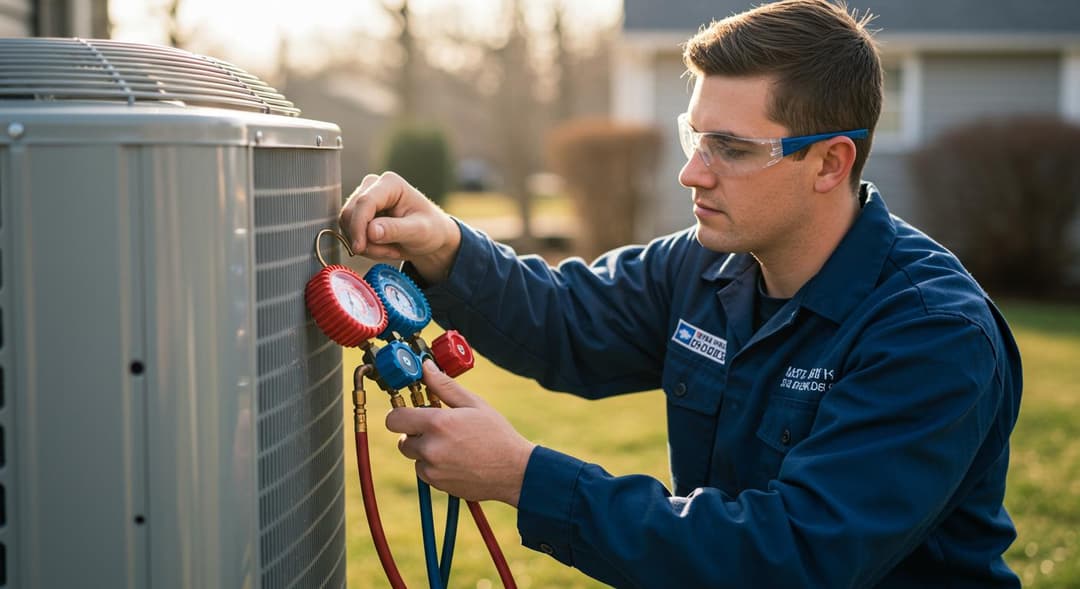
| AC refrigerant recharge | $200 to $600 |
| Furnace ignitor replacement | $150 to $400 |
| Blower motor replacement | $400 to $1,500 |
| Capacitor replacement | $100 to $300 |
| Condensate drain clearing | $75 to $250 |
| Full system replacement (AC or furnace) | $3,000 to $10,000+ |
Air conditioning emergencies vs furnace emergencies
An air conditioner failure and a furnace failure look similar from the outside. Both mean no conditioned air. But diagnosing them requires different tools and often different technician certifications.
Air conditioner failures
When an air conditioner stops cooling, the most common causes are a failed capacitor, low refrigerant, a dirty condenser coil or a failed compressor. A technician providing air conditioning services will check the refrigerant charge first, because low refrigerant causes the coil to ice over and shuts the system down. An air conditioner running with a refrigerant leak also affects air quality inside the house: as the coil freezes and thaws it can pull excess moisture into the ductwork, which creates conditions for mold growth if the system is left running.
Furnace failures
Furnace failures in winter are more urgent because the risk is both personal safety and property damage from freezing pipes. A failed ignitor, a tripped limit switch or a cracked heat exchanger all produce a no-heat result, but a cracked heat exchanger is also a carbon monoxide risk and requires the furnace to be shut off immediately. An HVAC technician will inspect the heat exchanger as part of any furnace diagnostic visit.
When air conditioning services include ductwork
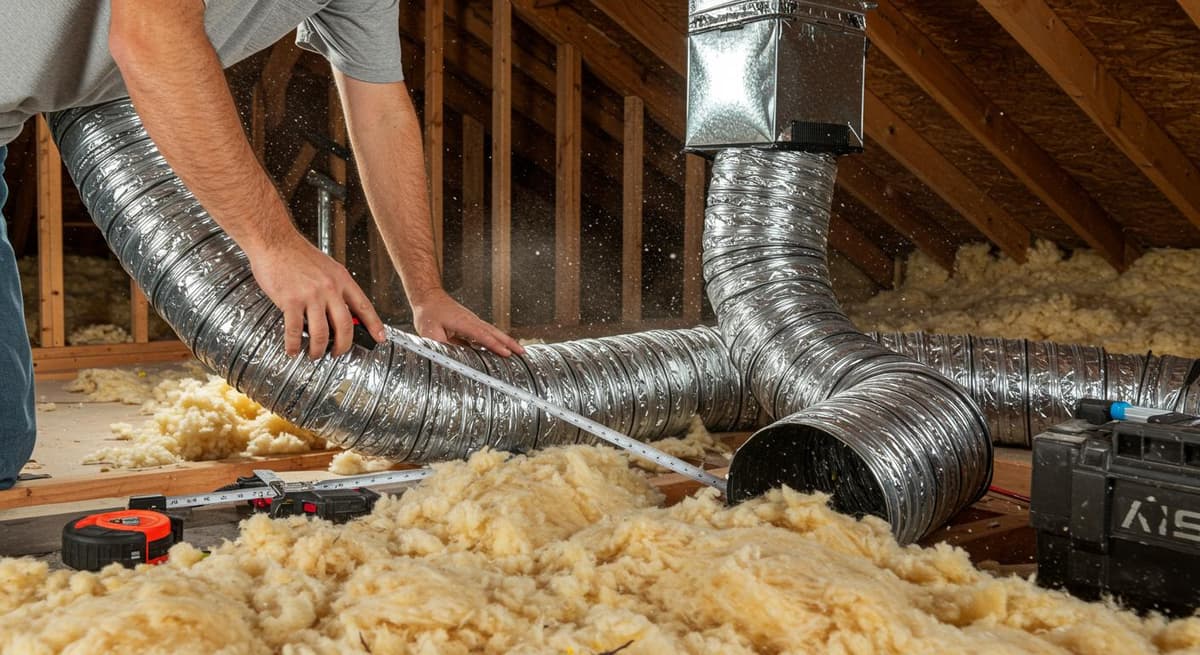
If your air conditioner is running but certain rooms stay warm, the problem may be in the ductwork rather than the equipment. Collapsed duct sections, disconnected joints and damper failures all reduce airflow to specific areas of the house. Air conditioning services that include duct inspection can identify these problems in one visit. Poor duct condition also degrades indoor air quality by pulling in air from unconditioned spaces like crawl spaces or attics.
Air quality after an HVAC failure
A failed system does more than affect temperature. An air conditioner that has been off for several days in summer allows humidity to rise inside the house, which accelerates mold growth in bathrooms, basements and any space with limited ventilation. A furnace that leaks combustion gases reduces air quality in a different and more dangerous way. Getting the system running again quickly limits both risks.
Common questions
How fast can an emergency HVAC technician arrive?
Most HVAC companies in our network offer same-day emergency service, and many can arrive within two to four hours for active heating or cooling failures. After you submit your request, we match you and the technician contacts you to confirm a window.
What should I do while I wait for the HVAC technician?
For a no-heat emergency in winter: open cabinet doors under sinks, let faucets drip slightly, and add layers. For a no-AC emergency in summer: close blinds, move to the lowest floor, and use fans. For a gas smell: leave the house immediately and call your gas company from outside.
Is it safe to run my furnace if it smells strange?
A brief burning smell at the start of heating season, when dust burns off the heat exchanger, is normal. A persistent burning smell, a sulfur or rotten egg smell, or any smell that gets stronger while the furnace runs are not normal. Shut it off and call an HVAC technician before running it again.
Do emergency HVAC calls cost more than regular service?
Yes. Most companies charge a higher call-out fee for nights, weekends and holidays, typically 1.5 to 2 times the standard rate. The cost of parts and the actual repair is usually the same. If the problem can safely wait until morning, you save the premium by booking a morning appointment.
How do you verify the HVAC technicians on your platform?
Every HVAC technician we match holds an EPA 608 refrigerant handling certification, a current state contractor licence where required, and active general liability insurance. We verify all three before they appear in our network.
Should I replace or repair an old HVAC system?
A general rule of thumb: if the repair costs more than half the price of a new unit and the system is over ten years old, replacement is usually the better investment. An HVAC technician can give you the repair quote and the replacement cost side by side so you can decide.
Get matched with an HVAC technician now
Tell us what is happening and we call you back once we have a match. Licensed HVAC technicians serving Ohio, Colorado, Texas, Arizona, Nevada, California and Florida.
Find an emergency HVAC tech