
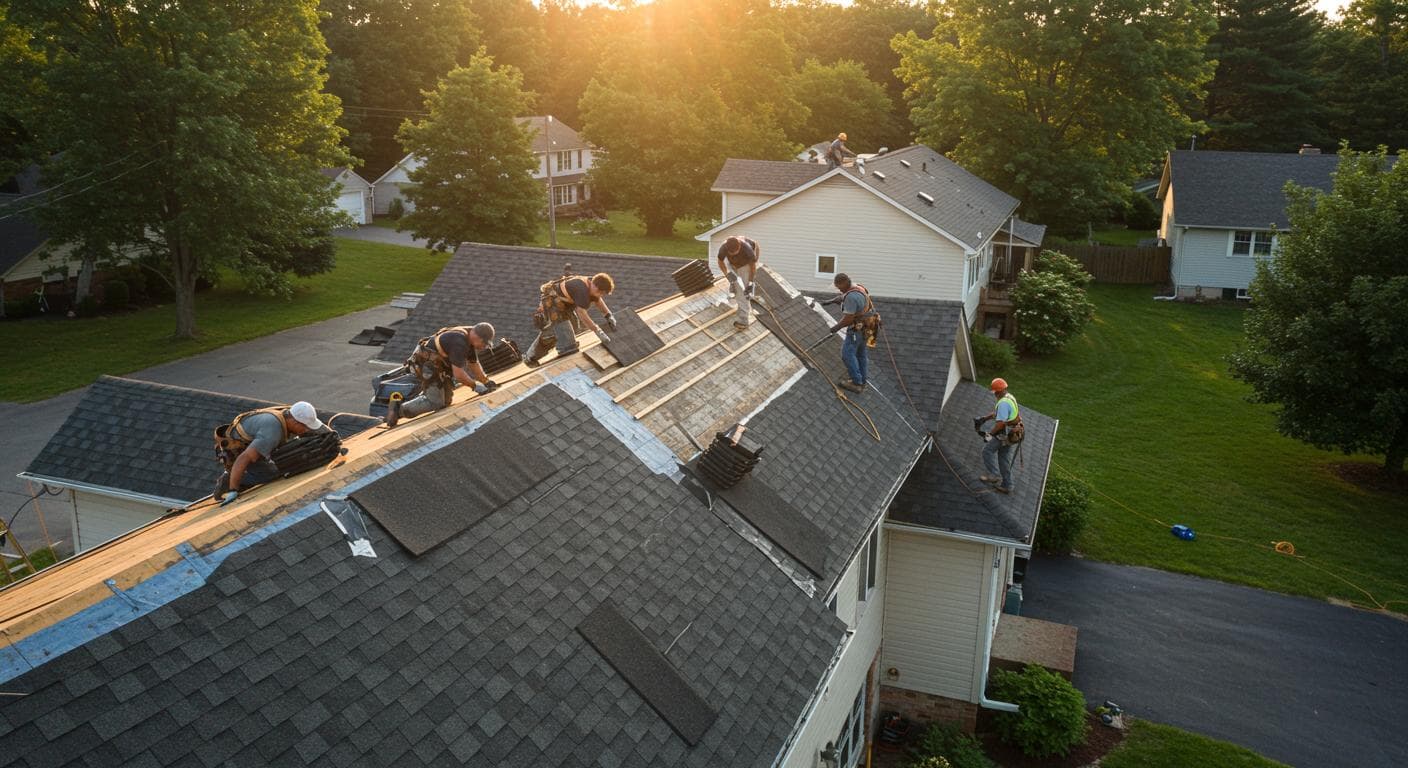
Roofing Cape Coral: Hurricane-Rated Roofing Contractors for Southwest Florida
Cape Coral sits on the Gulf Coast of Southwest Florida in Lee County, one of the most hurricane-active counties in the United States. Every roofing contractor working in Cape Coral must understand Florida Building Code wind speed requirements, Florida Department of Business and Professional Regulation licensing and the specific roofing material challenges that come with the Gulf Coast environment: salt-air corrosion, extreme UV exposure and the sustained high winds that accompany tropical storms and Category 1 through 4 hurricanes. A roofing company in Cape Coral that cannot document Florida Building Code compliance and produce a Notice of Commencement for permit work is not a company you want replacing your roof before storm season. Contractor Palace matches Cape Coral homeowners with independent local roofers. Ask each one for their Florida roofing license number and their Lee County project history.
Why Cape Coral Roofs Must Meet Hurricane Wind Code
Lee County sits in a wind speed design zone that requires roofing systems to withstand sustained wind speeds of 130 to 150 miles per hour depending on location and distance from the coast. Florida Building Code requires that all roofing systems installed in Lee County be tested and rated to the applicable wind speed for the site. This is not a technicality. After Hurricane Ian made landfall near Fort Myers in September 2022 as a Category 4 storm, Cape Coral neighborhoods with non-compliant or aging roofing systems suffered catastrophic losses. Homes with properly permitted and installed metal roofing systems and Florida-code-compliant tile roofs fared significantly better.
A roofing contractor in Cape Coral working to Florida Building Code standards uses approved fastening patterns, underlayment products rated for the local wind zone and secondary water barrier requirements that protect the structure if the primary roofing material is damaged in a storm. Permits are not optional in Cape Coral: the City of Cape Coral Building Division requires a permit and inspection for every roof replacement, and roofing work done without a permit cannot pass a wind mitigation inspection. Ask your roofer who will obtain the permit and who completes the wind mitigation inspection form after the job.
Wind Mitigation Inspection in Cape Coral
Metal Roofing and Tile Roofs in Cape Coral
Cape Coral homeowners have three primary roofing material options: metal roofing, tile roofs and asphalt shingles. Each has a different cost profile, lifespan and performance characteristic in the Southwest Florida climate. Understanding the tradeoffs before choosing a roofing material is essential when the roof you install needs to perform through the next 30 to 40 years of Gulf Coast storms.
Metal roofing
Standing seam metal roofing is the top-performing option for Cape Coral homes. A properly installed metal roof on a Cape Coral home can last 40 to 60 years, withstands hurricane wind loads up to and above 130 mph when installed to Florida code specifications and is impervious to the salt-air corrosion that shortens the life of other metal components in coastal environments. Metal roofing also performs well under UV exposure and reflects radiant heat, which reduces cooling loads in Cape Coral's subtropical climate. The upfront cost is higher than tile or asphalt shingle, but the lifecycle cost is lower over 30 or more years.
Tile roofs
Concrete tile and clay tile roofing are common in Cape Coral and throughout Lee County. A tile roof on a properly reinforced deck and truss system performs well in hurricane conditions because the tiles are mechanically fastened and the roof structure is engineered to carry the weight. Tile roofs in Cape Coral last 25 to 40 years and require periodic inspection to identify cracked or lifted tiles that can admit water after a storm. Tile is a heavier roofing system than metal or shingle and requires a roof structure that can support the load. Your roofing contractor verifies load capacity before recommending tile.
Asphalt shingles
Standard asphalt shingles are less common in Cape Coral than in other Florida markets because they have a shorter lifespan in the subtropical UV environment and require Florida-rated products to meet wind code. High-wind-rated impact-resistant shingles can meet Florida Building Code wind requirements in some zones. However, a shingle roof in Cape Coral will likely last 15 to 20 years before needing replacement, compared to 30 or more years for metal or tile. Many Cape Coral homeowners replacing a shingle roof choose to upgrade to metal or tile at replacement time.
Roofing Services and Costs in Cape Coral
Salt-Air Corrosion and Roofing in Cape Coral
Cape Coral's position on the Gulf Coast means that salt-laden air accelerates corrosion on metal components at every roofing penetration: flashing, fasteners, vents, gutters and any exposed metal on the roof system. A roofing contractor in Cape Coral who uses standard steel fasteners without corrosion-resistant coating is building in premature failure. Florida Building Code requires stainless steel or hot-dipped galvanized fasteners for coastal installations in Lee County.
For metal roofing in Cape Coral, the material selection matters: aluminum metal roofing panels are naturally corrosion-resistant and the preferred choice within a mile of saltwater. Galvalume steel panels are acceptable further inland but require regular inspection for corrosion at cut edges and penetrations. A Cape Coral roofing contractor experienced in coastal installations knows which products are appropriate for each location in Lee County and specifies materials accordingly. A new roof installed with the right materials for the salt-air environment will hold up without requiring early maintenance due to corrosion issues that could have been avoided with proper material selection at the start.
Residential Roofing and Commercial Roofing Solutions in Cape Coral
Residential roofing in Cape Coral covers the full range of single-family homes, townhomes and low-rise residential buildings that make up the city's housing stock. Commercial roofing in Cape Coral covers flat and low-slope roofs on retail, office and light industrial buildings. Both scopes require a Florida DBPR-licensed roofing contractor, but the material systems, code requirements and inspection processes differ. Residential roofing projects in Cape Coral are inspected by the City of Cape Coral Building Division. Commercial roofing projects may fall under Lee County jurisdiction depending on location. A roofing expert who works in both scopes in Cape Coral can help you navigate the correct permit process for your building type.
Businesses in Cape Coral with flat commercial roofing face the same wind code requirements as residential buildings, but the roofing systems used are different: modified bitumen, TPO and EPDM membrane systems are common on commercial buildings. These systems require a Florida-licensed roofing contractor who understands commercial roofing installation and maintenance requirements for Lee County. An expert roofing contractor who services both residential and commercial roofing in Cape Coral is a valuable resource for property owners managing multiple building types in the Southwest Florida market. Trusting the right contractor with your roof replacement means verifying their license and their Cape Coral project history before you sign any agreement.
How to Choose a Cape Coral Roofing Contractor and Avoid Storm Chasers
Verify Florida DBPR roofing contractor license
Florida requires roofing contractors to hold a state license issued by the Department of Business and Professional Regulation. Check the license at myfloridalicense.com before signing a contract. An unlicensed contractor cannot pull a permit in Cape Coral.
Confirm Lee County permit pull
Every roof replacement in Cape Coral requires a permit from the City of Cape Coral Building Division. A contractor who suggests skipping the permit is leaving you with work that will not pass a wind mitigation inspection.
Verify corrosion-rated fasteners
Ask the contractor what fastener specification they use in Cape Coral. The answer should be stainless steel or hot-dipped galvanized at minimum. A contractor who cannot answer this question has not thought carefully enough about your coastal roof.
Watch for storm chasers after major events
After Hurricane Ian and other significant storms, out-of-state contractors flooded Lee County. These operators collect deposits and move on. Verify that any Cape Coral roofing company has a permanent Lee County or Southwest Florida presence with verifiable local project history before you sign anything.
What to Expect from a Cape Coral Roof Replacement Start to Finish
A residential roofing replacement in Cape Coral follows a sequence that every homeowner should understand before signing a contract. The process begins with a thorough roof inspection to document the existing condition, identify all damage and confirm that the structural deck can support the new roofing system. A Cape Coral roofer who takes the time to inspect the deck boards for soft spots, rot or previous repair patches before starting helps the customer avoid surprise costs once the old roofing material comes off.
Notice of Commencement and permit
Your contractor files a Notice of Commencement with Lee County before any work begins and pulls the roofing permit from the City of Cape Coral Building Division. This paperwork protects you as the homeowner and is required for a legal roof replacement.
Tear-off and deck inspection
The existing roofing material is removed down to the deck. The contractor inspects all deck boards and replaces any that are damaged, rotted or soft. A Cape Coral roofer builds in a deck board allowance in the contract scope to cover expected replacements without a change order surprise.
Secondary water barrier installation
Florida Building Code requires a secondary water barrier on the roof deck before the primary roofing material is installed. This layer protects the structure if the primary roofing material is damaged in a storm. It is a code requirement in Lee County wind zones.
Primary roofing installation
Metal panels, tile or shingles are installed to the approved plans and Florida Building Code specifications. Flashings at all penetrations, ridges and valleys are installed with corrosion-resistant materials appropriate for Cape Coral's coastal environment.
Inspection and wind mitigation form
The building inspector reviews the completed roof. After passing inspection, your contractor completes the wind mitigation inspection form. Ask who handles it and keep a copy.
Manufacturer Certifications and Quality Workmanship in Cape Coral
Quality residential roofing in Cape Coral starts with a contractor who holds manufacturer certifications for the products they install. Ask whether your roofer is certified by the shingle maker. GAF-certified roofing contractors, for example, can offer enhanced warranty coverage on GAF roofing systems that standard installers cannot provide.
We help customers in Cape Coral, Fort Myers, Sarasota and across Southwest Florida find independent roofing contractors. A contractor who communicates clearly about materials, schedule and warranty coverage earns the customer reviews that distinguish them from competitors in the Lee County roofing market.
Roofing Contractors Serving Cape Coral and Southwest Florida
Cape Coral is one of the largest cities by land area in the United States, and roofing contractors serving the city cover a wide range of neighborhoods from the waterfront areas near the Cape Coral bridges to inland communities away from the immediate Gulf influence. The roofing material requirements and corrosion considerations vary by distance from the water. A contractor who understands the local geography matches the right materials to each location, whether the home is on a canal in Southeast Cape Coral or in a newer development in the northwest area of the city.
Roof Inspection and Storm Documentation for Cape Coral Homeowners
A regular roof inspection is one of the most effective maintenance practices a Cape Coral homeowner can do, especially as a roofing system ages past 10 to 15 years or after a significant weather event. A licensed roofing inspector can view the roof from the ground and from the surface, identifying lifted tiles, cracked or deteriorated flashing, failed sealant at penetrations and underlayment degradation that is not visible from street level.
After any named storm or significant weather event in Lee County, a post-storm roof inspection documents new damage before any other work is done on the property. A customer who has a pre-storm inspection report on file can compare the post-storm condition directly to establish which damage is storm-related versus pre-existing. A roofing company that provides clear, photo-documented inspection reports gives their customers a clear written record of the work for their own files.
Frequently Asked Questions
How much does a roof replacement cost in Cape Coral?
A standing seam metal roof replacement for a 1,500 square foot Cape Coral home typically runs $18,000 to $35,000. Concrete tile runs $14,000 to $28,000. High-wind-rated asphalt shingles run $9,000 to $18,000. Florida Building Code requirements for the coastal wind zone add material and fastener costs compared to inland markets.
What roofing material is best for Cape Coral's climate?
Standing seam metal roofing performs best in Cape Coral for longevity, hurricane resistance and salt-air corrosion resistance. Aluminum panels are the preferred metal choice near the coast. Concrete tile is a close second and performs well in hurricane conditions when properly installed on an engineered roof structure. Asphalt shingles have the shortest lifespan in the subtropical UV environment.
Do I need a permit for a roof replacement in Cape Coral?
Yes. The City of Cape Coral Building Division requires a permit for every roof replacement. A permit is required to complete the wind mitigation inspection. Roofing work done without a permit in Cape Coral cannot pass a wind mitigation inspection.
What is a wind mitigation inspection and why does it matter in Cape Coral?
A wind mitigation inspection documents specific features of your roof system including the roof deck attachment method, roof covering type and secondary water barrier. The inspection can only be passed on a permitted roof built to Florida Building Code.
Need a roofing contractor in Cape Coral? Get matched free.
Describe your roofing project. We match you with an independent Cape Coral roofer who pulls permits, meets Florida Building Code and handles the wind mitigation inspection after the job.
Get my free Cape Coral roofing quotearrow_forward